2020 Calendar Time Date Perfect Planner Template Free Download
Understanding the 2020 calendar time and date is essential for planning and organization in both personal and professional realms. This specific year presented a unique calendar structure because 2020 was a leap year, adding an extra day to February and resulting in a total of 366 days. This adjustment, known as a bissextile year, ensures that our calendar remains synchronized with the Earth's revolutions around the Sun, keeping seasonal events aligned with their traditional dates.
The significance of tracking the 2020 calendar time and date extends beyond mere scheduling, as it impacts everything from financial quarters to holiday observances. For businesses, accurate date tracking is crucial for meeting fiscal deadlines, managing project timelines, and coordinating marketing campaigns. Individuals rely on this structure to plan vacations, appointments, and family gatherings, making the reliable measurement of time a fundamental aspect of modern life.
Grasping The Structure Of 2020
To effectively utilize the 2020 calendar, one must first comprehend its architectural foundation in the Gregorian system. This calendar organizes days into months, weeks, and years, providing a universal framework for temporal measurement. The year 2020 began on a Wednesday and concluded on a Thursday, which directly influences how the layout of the printable templates appears and how weekends fall within the grid.

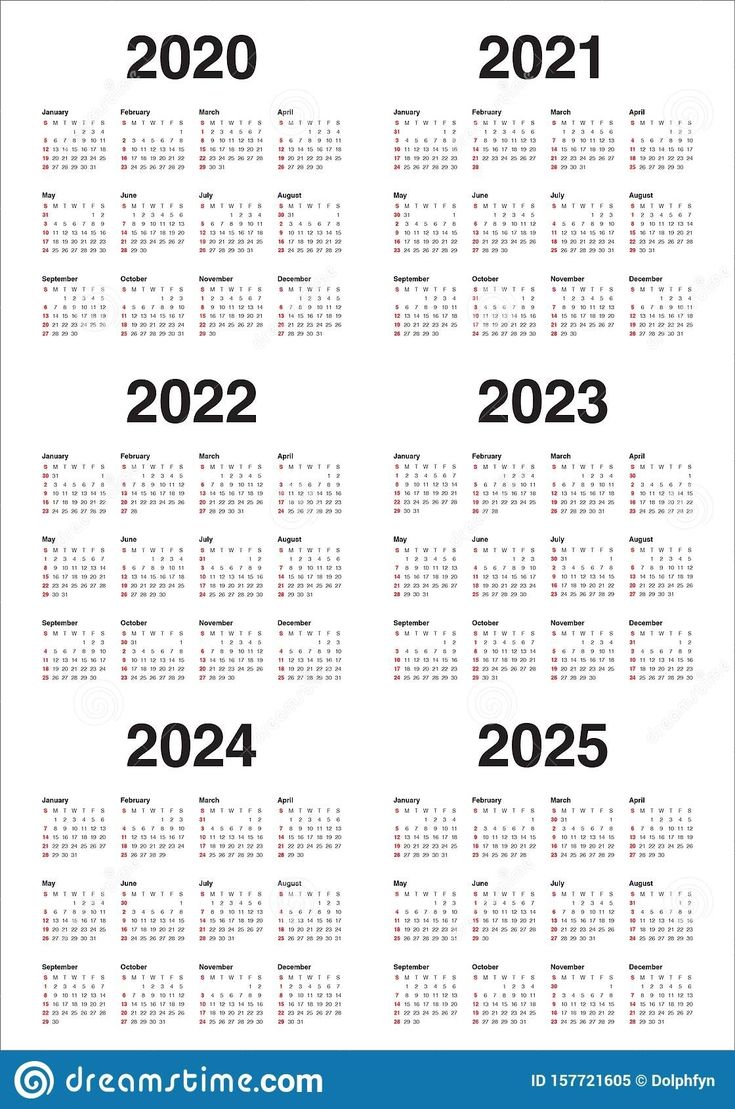

The distribution of days across the months in 2020 follows a specific pattern that dictates the start and end days of each month. For instance, February had 29 days due to the leap year status, while months like April, June, September, and November consistently held 30 days. This predictable rhythm allows for accurate long-term planning and the creation of reusable organizational tools.
Month Layout And Weekly Alignment
The visual representation of the 2020 calendar time and date often follows a monthly grid format, where days are arranged under the seven days of the week. This structure is vital for creating a clear overview of obligations, ensuring that no date is overlooked. A well-designed calendar template for 2020 highlights weekends in bold or different colors, aiding in quick visual separation of workdays and rest days.


Specific nuances exist within this layout, such as how the first day of the month aligns with the day of the week. In 2020, January 1st fell on a Wednesday, meaning the month started mid-week. This detail is critical for students, professionals, and planners who need to calculate the exact number of working days or plan recurring events accurately.
Holiday And Observance Tracking
Integrating public holidays and observances into the 2020 calendar time and date provides a comprehensive view of the year. National and regional holidays, such as New Year's Day, Independence Day, and Christmas, are static dates that anchor the schedule. For 2020, it was particularly important to account for how holidays interacted with the day of the week, impacting travel, retail, and family plans.
Religious and cultural observances also play a significant role in the perceived texture of the year. Events like Easter, which is a moveable feast calculated based on the lunar calendar, fall on April 12th in 2020. Tracking these dynamic dates alongside fixed holidays ensures that the calendar reflects the full spectrum of societal rhythms.


Leveraging Digital And Printable Formats
In the modern era, the 2020 calendar time and date is available in a multitude of formats to suit different preferences and devices. Digital calendars, such as those integrated into smartphones and computers, offer dynamic features like automatic time zone adjustments and event reminders. These tools are indispensable for managing the fast pace of contemporary life, sending alerts for meetings and birthdays well in advance.
Despite the rise of digital solutions, printable calendar templates remain highly popular for 2020. Many individuals prefer the tactile experience of writing on paper, which reinforces memory and task completion. These physical formats range from simple grid layouts to artistic designs, allowing users to personalize their space while keeping track of important deadlines.
Template Customization And Utility
One of the major advantages of the 2020 calendar time and date is the ability to customize templates. Users can download blank sheets to fill in their notes manually or utilize pre-filled versions that include holidays. This flexibility ensures that the calendar serves as a true productivity tool rather than a passive reference.


The utility of these templates extends to various sectors, including education and healthcare. Teachers can map out the academic year, noting exam dates and holidays, while medical professionals can schedule patient appointments. The adaptability of the 2020 format makes it a universal resource for organizing time.
Time Zone Considerations For 2020
Global connectivity means that the 2020 calendar time and date must often accommodate multiple time zones. Virtual meetings, international conferences, and digital collaborations require a precise understanding of how time shifts across the globe. Coordinating between regions like UTC-5 and UTC+1 necessitates careful planning to avoid scheduling conflicts.
Daylight Saving Time (DST) also played a role in 2020, though its adoption varies by country. In regions that observe DST, clocks are set forward in the spring and back in the fall, effectively changing the local clock time. Being aware of these shifts is crucial for accurate timestamp logging and for ensuring that deadlines are interpreted correctly worldwide.
As you navigate the flow of days and events, the structure provided by the 2020 calendar time and date offers a reliable framework for your ambitions. By utilizing these organized layouts, you can transform abstract dates into concrete achievements and cherished memories, allowing the passage of time to be both measured and meaningfully lived.
Related Articles

2026 Calendar Canva Template Free Download Printable Editable Sheet Monthly Weekly Planner Organizer Scheduling Deadline Reminder Productivity Boost
Finding a reliable 2026 calendar canva template is an efficient way to organize your year without starting from scratch. This specific search term highlights...

June Calendar 2025 Printable Cake Themed Planner Template Free Download
Planning a memorable birthday or celebration often starts with the perfect calendar page, and a June 2025 printable for cake offers a beautiful way to mark the...

Free Download Birthday Calendar Template Word SEO Friendly Printable Planner Organizer
Finding an efficient way to organize upcoming events and personal milestones is easier with a birthday calendar template free download word file. This type of...

April 2026 Calendar Canva Free Download Printable Editable Template
April 2026 is shaping up to be a month of fresh starts and bold plans, making it the perfect time to organize your life with a vibrant April 2026 calendar...

Canva Calendar Cake Template Design Free Download
Finding the perfect way to celebrate a birthday, wedding, or company milestone is much easier when you use a calendar cake template Canva. This combination of...

Adorable Heart Cake Calendar Template Free Printable Planner 2024
Planning special occasions has never been easier with a heart cake calendar template, a beautifully designed resource that helps you organize celebrations...