With greatest pet coaching books on the forefront, this text opens a window to a tremendous begin and intrigue, inviting readers to embark on a journey of pet coaching methods, suggestions, and tips.
The article dives into the world of unconventional pet coaching strategies, important instruments and gear required for coaching success, recognizing and addressing aggression in puppies, coaching for numerous breeds and personalities, maximizing coaching success with constructive reinforcement methods, efficient communication methods, and structuring and managing coaching classes.
Unconventional Pet Coaching Strategies That Have Caught the Consideration of Skilled Canine Homeowners
Pet coaching has advanced considerably over time, with many skilled canine homeowners exploring unconventional strategies to form their pet’s habits. These different approaches typically depart from conventional coaching methods and have gained reputation amongst seasoned trainers. Whereas some might increase eyebrows, these strategies have proven promising outcomes and will be built-in right into a complete pet coaching program.
Emotional Contagion Coaching
Emotional contagion coaching is a method that focuses on the feelings and power of each the handler and the pet. This methodology relies on the concept that feelings are contagious and will be handed from one being to a different. By cultivating a constructive emotional state, handlers can create a harmonious setting that encourages puppies to behave in an analogous method.
- Empathetic reference to the pet: Emotional contagion coaching emphasizes the significance of empathy in constructing a robust bond between the handler and the pet. By understanding and acknowledging the pet’s feelings, handlers can create a secure area for emotional expression and studying.
- Vitality consciousness: This methodology encourages handlers to be aware of their very own power and the way it impacts the pet. By managing their power, handlers can create a peaceful and centered setting that fosters studying and progress.
- Emotional regulation: Emotional contagion coaching teaches puppies to manage their feelings by mirroring the handler’s constructive emotional state. This helps puppies develop self-awareness and self-regulation expertise.
Agility Coaching for Socialization
Agility coaching has typically been related to high-energy actions and complicated programs. Nonetheless, skilled canine homeowners are actually utilizing agility coaching as a socialization instrument for puppies. By exposing puppies to numerous obstacles and environments, handlers can assist them develop social expertise and construct confidence.
- Environmental enrichment: Agility coaching gives puppies with a stimulating setting that encourages exploration and curiosity. By introducing puppies to new sights, sounds, and smells, handlers can broaden their puppies’ horizons and foster socialization.
- Downside-solving expertise: Agility coaching challenges puppies to navigate complicated programs, develop problem-solving expertise, and suppose creatively. This helps puppies construct confidence and turn into extra resourceful in new conditions.
- Canine cognition: Agility coaching workout routines will be designed to faucet into puppies’ pure canine cognition, corresponding to scent work and follow-the-leader video games. This helps puppies develop their spatial consciousness and understanding of their setting.
Clicker Coaching with a Twist
Clicker coaching is a well-established methodology for educating puppies new behaviors. Nonetheless, skilled canine homeowners are actually experimenting with unconventional clicker coaching methods, corresponding to utilizing non-food rewards or incorporating props into coaching classes.
- Non-traditional rewards: Through the use of non-food rewards, corresponding to playtime or stomach rubs, handlers can create a extra participating and assorted coaching expertise for his or her puppies.
- Props and toys: Incorporating props and toys into clicker coaching can add a component of enjoyable and unpredictability, holding puppies engaged and motivated.
- Contextual studying: Clicker coaching with a twist encourages puppies to study in several contexts and environments, serving to them develop a broader understanding of the world round them.
Important Instruments and Gear Required for Pet Coaching Success
In pet coaching, numerous instruments and gear are essential for efficient studying and growth. The best instruments could make a big distinction within the velocity and high quality of coaching. On this part, we are going to deal with the important instruments and gear required for pet coaching success.
Fundamental Coaching Instruments
Pet homeowners typically ask what instruments are essential for profitable coaching. The reply is a mixture of conventional and trendy instruments that cater to totally different studying kinds and desires. Under are among the most important instruments for pet coaching.
-
A clicker is a instrument used to mark and reward desired behaviors in puppies. It’s a small machine that makes a definite sound when pressed, serving to the pet affiliate the motion with a deal with or reward.
The clicker is especially efficient as a result of it gives prompt suggestions, permitting the pet to hyperlink the motion to the reward. This helps in quicker studying and higher understanding of desired behaviors.
-
A leash and harness are important for pet coaching, particularly in the course of the early levels. A leash helps in controlling the pet’s motion and educating them to stroll by your aspect, whereas a harness gives consolation and reduces the chance of damage to the pet’s neck.
When selecting a leash and harness, contemplate components corresponding to materials, measurement, and adjustability. A sturdy leash and adjustable harness will guarantee a snug and secure coaching expertise for each the pet and the proprietor.
-
Coaching pads are used for burglary puppies and supply a handy and hygienic answer for indoor potty coaching. These pads are designed to soak up urine and reduce accidents, making it simpler for the pet to study to eradicate in the proper locations.
When utilizing coaching pads, set up a constant routine and reward the pet for profitable makes use of. It will assist the pet affiliate the pad with the specified habits and reduce accidents.
-
Pet-safe toys are very important for coaching and playtime, as they assist in creating the pet’s cognitive and motor expertise. Select toys which can be sturdy, simple to scrub, and appropriate for the pet’s age and breed.
Some examples of puppy-safe toys embrace rubber balls, squeaky toys, and stuffed animals. Keep away from utilizing small elements or toys that may be simply ingested, as these can pose a choking hazard.
-
A crate or pet pen gives a secure and comfy area for the pet to relaxation, loosen up, and study. It helps in stopping accidents, corresponding to chewing or elimination within the improper locations, and gives a quiet space for coaching.
When selecting a crate or pen, choose a measurement that’s appropriate for the pet’s age and breed. Be certain that it’s well-ventilated and gives sufficient area for the pet to face up, flip round, and lie down comfortably.
Visible Aids
Visible aids like charts and diagrams are helpful for speaking complicated coaching ideas to pet homeowners. These instruments assist in illustrating the coaching course of and supply a transparent understanding of the specified behaviors and outcomes.
-
Charts and diagrams assist in breaking down complicated coaching ideas into easy, easy-to-understand steps. They supply a visible illustration of the coaching course of, making it simpler for pet homeowners to understand and retain the knowledge.
Some examples of visible aids embrace flowcharts, thoughts maps, and determination timber. These instruments assist in figuring out the simplest coaching methods and adapting to the pet’s studying wants.
-
Coaching charts are used to trace the pet’s progress and monitor their studying. They supply a visible illustration of the pet’s achievements and assist in figuring out areas that require enchancment.
Some examples of coaching charts embrace habits charts, reward charts, and progress charts. These instruments assist in evaluating the pet’s progress and making changes to the coaching technique as wanted.
-
Diagrams and illustrations assist in demonstrating the coaching course of and illustrating the specified behaviors. They supply a transparent understanding of the coaching idea and assist in figuring out the simplest coaching methods.
Some examples of diagrams and illustrations embrace flowcharts, thoughts maps, and idea maps. These instruments assist in conveying complicated coaching ideas in a easy and easy-to-understand method.
Pitfalls to Keep away from
Pet trainers typically encounter frequent pitfalls when utilizing new gear and instruments. Listed below are three frequent pitfalls and their options:
-
Pitfall: Utilizing a leash that’s too lengthy or too brief, disrupting the coaching course of and inflicting frustration for each the pet and the proprietor.
Answer: Select a leash that’s adjustable and appropriate for the pet’s age and breed. A 4-6 foot leash is beneficial for many puppies, permitting for a snug distance with out being too lengthy or too brief.
-
Pitfall: Utilizing a harness that’s too tight or too free, probably inflicting discomfort and damage to the pet.
Answer: Select a harness that’s adjustable and gives a snug match for the pet. A well-fitting harness will guarantee a secure and comfy coaching expertise for each the pet and the proprietor.
-
Pitfall: Failing to make use of coaching pads constantly, resulting in confusion and accidents.
Answer: Set up a constant routine for utilizing coaching pads, rewarding the pet for profitable makes use of and minimizing accidents. It will assist the pet affiliate the pad with the specified habits and eradicate accidents.
Recognizing and Addressing Aggression in Puppies
Pet aggression is a priority for a lot of canine homeowners, and early recognition is essential for efficient intervention. Puppies might exhibit aggression because of numerous causes, corresponding to concern, anxiousness, or poor socialization. Recognizing the early warning indicators of pet aggression is significant to forestall the event of extra extreme behavioral issues.
Aggression in puppies can manifest in numerous varieties, together with growling, snarling, and biting. Puppies may additionally show refined behavioral cues, corresponding to:
- Avoiding eye contact or exhibiting a tough stare
- Yawning or licking their lips
- Reducing their physique or tail
- Elevating their hackles or paws
- Snapping or exhibiting their tooth
These refined cues point out that the pet is uncomfortable or pissed off, and speedy consideration is required to handle the state of affairs. Failure to acknowledge and tackle aggression in puppies can result in extra extreme behavioral issues, corresponding to biting or attacking folks.
Significance of Early Intervention
Early intervention is crucial in redirecting pet aggression. By acknowledging and addressing the underlying causes of aggression, pet homeowners can forestall the event of extra extreme behavioral issues. That is the place constructive reinforcement coaching and habits modification methods come into play.
Constructive reinforcement coaching entails rewarding desired behaviors, corresponding to calmness or playfulness, whereas ignoring or redirecting undesirable behaviors, like aggression. By constantly making use of this strategy, pet homeowners can assist their puppies develop higher social expertise and scale back aggression.
Case Research
Two notable case research reveal the effectiveness of addressing aggression in puppies by means of focused coaching and habits modification methods.
Case Research 1: Luna, a 3-month-old pet, was adopted by a household with two younger youngsters. Initially, Luna was excited and playful, however as time handed, she started to point out indicators of aggression, corresponding to growling and snapping. The household consulted knowledgeable canine coach, who applied a constructive reinforcement coaching program. This system included socialization workout routines, fundamental obedience instructions, and desensitization methods to handle Luna’s aggression.
By way of constant coaching and endurance, Luna discovered to work together with the household and kids in a peaceful and mild method. The household’s efforts paid off, and Luna grew to become a well-adjusted and loving member of the family.
Case Research 2: Max, a 6-month-old pet, was adopted by a single proprietor who had restricted expertise with canine coaching. Max exhibited indicators of aggression, corresponding to useful resource guarding and territorial habits. An expert canine coach labored with Max and his proprietor to implement a focused coaching program, specializing in socialization, fundamental obedience, and addressing Max’s useful resource guarding.
By way of constant coaching and constructive reinforcement, Max discovered to handle his aggression and work together along with his proprietor in a peaceful and respectful method.
Each case research spotlight the effectiveness of early intervention and focused coaching in addressing pet aggression. By recognizing the early warning indicators and implementing constructive reinforcement coaching methods, pet homeowners can assist their puppies develop higher social expertise and scale back aggression, making a stronger bond between the pet and proprietor.
Pet Coaching for Numerous Breeds and Personalities
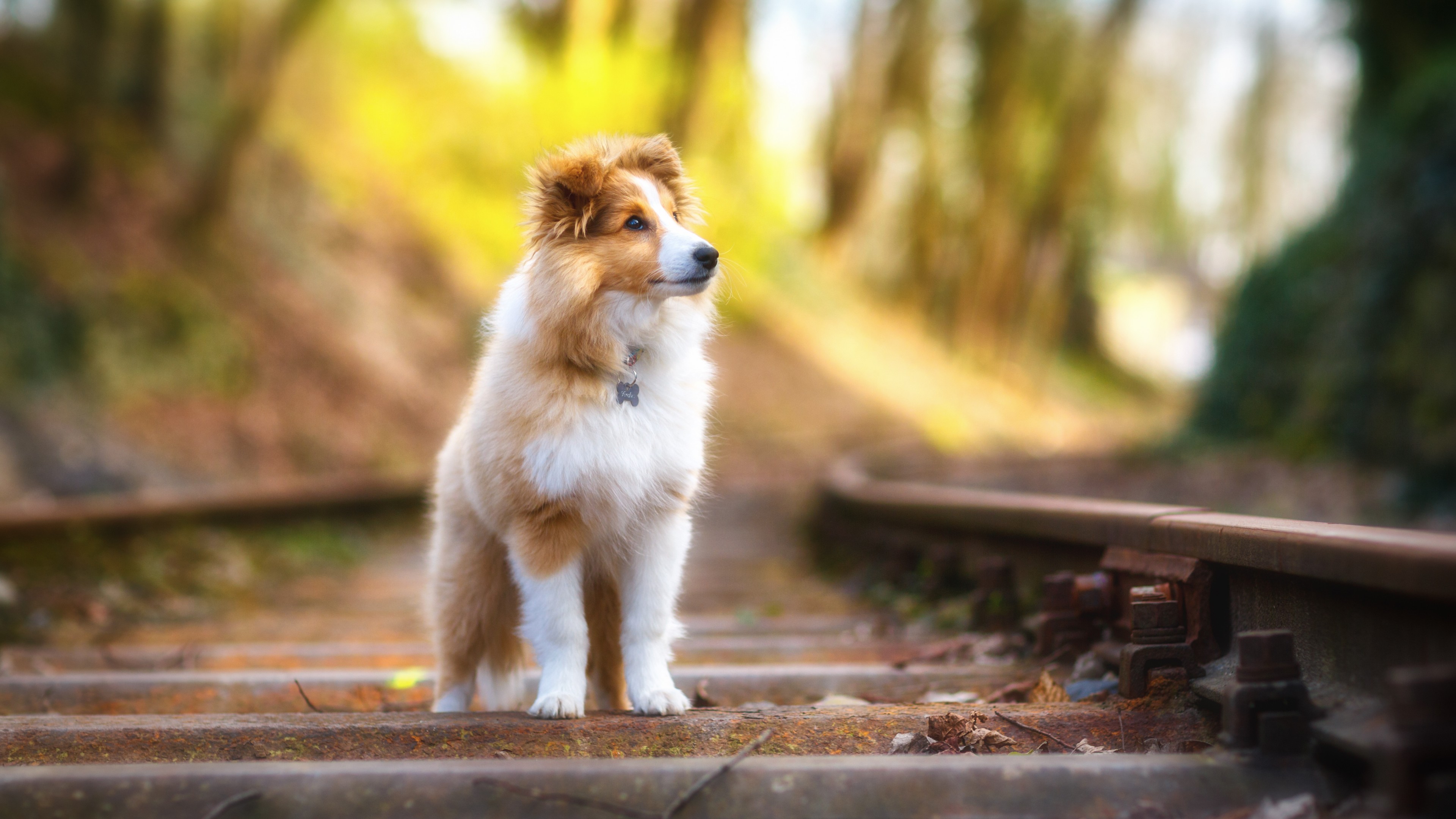
Pet coaching requires a tailor-made strategy contemplating the distinctive wants, temperaments, and talents of varied breeds and particular person personalities. Whether or not you are a seasoned canine proprietor or a newcomer, understanding the precise necessities of your pet is essential for efficient coaching and a lifelong bond.
Excessive-Vitality Breeds like Labradors and Border Collies
Excessive-energy breeds corresponding to Labradors and Border Collies necessitate a extra dynamic and interesting coaching strategy. These clever and bodily succesful canine require common train, psychological stimulation, and structured coaching classes to forestall boredom and harmful habits.
- To take care of their excessive power ranges, Labradors and Border Collies ought to be supplied with a minimum of 1-2 hours of train each day. This contains lengthy walks, playtime, and coaching classes.
- Practice these breeds in brief, targeted intervals, with ample breaks for relaxation and rest. This enables them to recharge and keep focus.
- Interact their problem-solving expertise with interactive toys and puzzle-based coaching, which helps to mentally stimulate them and stop boredom.
- Keep away from repetitive, monotonous coaching, as it will probably result in frustration and decreased motivation.
Calm and Laid-Again Breeds like Bulldogs and Pugs
Conversely, calm and laid-back breeds like Bulldogs and Pugs typically require a extra mild and affected person strategy. These breeds want constant coaching to determine clear boundaries and keep away from accidents.
- Practice these breeds in brief, managed classes, bearing in mind their brief consideration span. Deal with easy, elementary instructions.
- Use constructive reinforcement methods, corresponding to treats and reward, to encourage desired habits and discourage undesirable habits.
- Train warning when introducing new environments, folks, or conditions, as these breeds will be simply overwhelmed.
- Preserve an everyday routine, with set instances for feeding, train, and coaching, to supply a way of stability and predictability.
Puppies with Distinct Persona Traits
Puppies are available numerous persona varieties, starting from the cautious and reserved to the daring and assured. To handle these distinctive traits, it is important to tailor your coaching strategy to the person wants and persona of your pet.
- Observe and perceive your pet’s temperament, persona, and studying fashion to adapt your coaching strategy accordingly.
- Be affected person and versatile, as each pet has its distinctive strengths, weaknesses, and quirks.
- Make use of a balanced coaching strategy that mixes construction and creativity, permitting your pet to develop, study, and thrive in a constructive and supportive setting.
Efficient Communication Methods in Pet Coaching
Efficient communication is the important thing to profitable pet coaching. By understanding and deciphering pet physique language and vocal cues, you’ll be able to create a robust bond together with your pet and be sure that coaching classes are constructive and rewarding for each of you. On this part, we are going to discover the significance of efficient communication in pet coaching and offer you a framework for understanding and deciphering pet physique language and vocal cues.
Crucial Physique Language Indicators
Pet physique language is a posh system of non-verbal communication that may convey a spread of feelings and intentions. Recognizing and deciphering these alerts is important for efficient communication in pet coaching. Listed below are 5 crucial physique language alerts that pet trainers ought to acknowledge and reply to throughout coaching classes:
- Relaxed posture: A relaxed pet may have a wagging tail, a free jaw, and a peaceful demeanor. It is a nice time to interact in play or begin coaching classes.
- Alert posture: An alert pet may have a raised head, a forward-leaning posture, and a targeted expression. It is a nice time to introduce new instructions or attempt to refocus your pet’s consideration.
- Stress posture: A confused pet may have a tense physique, a tucked tail, and a lowered head. It is a signal that your pet is feeling overwhelmed or anxious, and it’s best to take a break or regulate your coaching strategy.
- Concern posture: A fearful pet may have a cowering physique, a tucked tail, and a avoidance habits. It is a signal that your pet is feeling threatened or scared, and it’s best to present reassurance and security.
- Playful posture: A playful pet may have a bouncy gait, a wagging tail, and a playful expression. It is a nice time to interact in play or attempt to incorporate play into your coaching classes.
Understanding these physique language alerts will allow you to to answer your pet’s wants and feelings, and create a extra constructive and rewarding coaching expertise.
Verbal Cues and Vocal Inflections, Finest pet coaching books
Verbal cues and vocal inflections are important for efficient communication in pet coaching. Whenever you use verbal cues constantly and with the proper tone, you’ll be able to assist your pet to affiliate the command with the specified habits. Listed below are some suggestions for utilizing verbal cues and vocal inflections:
- Use a transparent and constant tone: When giving verbal cues, use a transparent and constant tone that your pet can acknowledge and reply to.
- Use a peaceful and constructive tone: A peaceful and constructive tone will assist to create a constructive affiliation with the command and encourage your pet to reply positively.
- Keep away from punishing or scolding: Punishing or scolding your pet with verbal cues can create a damaging affiliation and make coaching tougher.
- Use vocal inflections: Vocal inflections can assist to convey emphasis and curiosity, and make your verbal cues extra participating and efficient.
By incorporating verbal cues and vocal inflections into your coaching classes, you’ll be able to create a extra participating and efficient coaching expertise on your pet.
Closing Abstract: Finest Pet Coaching Books
In conclusion, this text has supplied a complete overview of varied elements of pet coaching, highlighting the significance of understanding pet habits, using constructive reinforcement methods, and successfully speaking together with your furry buddy.
Pet coaching requires endurance, consistency, and creativity, and with the proper instruments, methods, and mindset, you’ll be able to increase a contented, well-behaved, and well-adjusted pet.
FAQ Information
Q: What’s the only approach to prepare a pet?
A: The best approach to prepare a pet is thru constructive reinforcement methods, which contain rewarding good habits somewhat than punishing dangerous habits.
Q: How typically ought to I prepare my pet?
A: It’s best to prepare your pet incessantly, however in brief classes, ideally 2-3 instances a day, to maintain them engaged and stop boredom.
Q: How can I forestall aggression in my pet?
A: You’ll be able to forestall aggression in your pet by figuring out early warning indicators, corresponding to growling or snapping, and redirecting their habits with constructive reinforcement methods.
Q: What are the important instruments for pet coaching?
A: The important instruments for pet coaching embrace clickers, leashes, harnesses, coaching pads, and treats, which can assist you talk successfully together with your pet.

