Delving into greatest digicam for panorama images, this introduction immerses readers in a novel and compelling narrative that highlights the important elements to contemplate when deciding on a digicam for capturing beautiful panorama photos. From sensor dimension and determination to dynamic vary, and the position of full-frame sensors in panorama images, this content material goals to supply a complete understanding of the very best digicam for panorama images.
Panorama images requires a digicam that may deal with a variety of lighting circumstances, from vivid solar to overcast skies, and the power to seize the dynamic vary of the scene. This implies searching for a digicam with an excellent steadiness of decision, sensor dimension, and dynamic vary, in addition to options similar to climate sealing, in-body picture stabilization, and superior autofocus capabilities.
Selecting the Proper Digital camera for Panorama Images
In the case of capturing breathtaking panorama photos, the best digicam could make all of the distinction. Panorama images is all about capturing the essence of the good outdoor, with its ever-changing gentle, and numerous surroundings. A digicam that may deal with the calls for of panorama images ought to have an excellent steadiness of picture high quality, decision, and dynamic vary.
To begin with, we have to contemplate the important elements that can assist us select the best digicam for panorama images. These elements embrace sensor dimension, decision, and dynamic vary.
Sensor Dimension: The Key to Capturing Panorama Particulars
Sensor dimension performs a vital position in panorama images, because it determines the extent of element and determination that may be captured in a picture. A bigger sensor dimension permits for extra gentle to enter the digicam, leading to higher picture high quality and a wider dynamic vary. On the planet of panorama images, full-frame cameras are the gold normal, providing a stage of element and determination that’s unmatched by smaller sensor cameras.
- Full-Body Cameras: The Benchmark for Panorama Images
- Advantages of Mirrorless Cameras in Panorama Images
- Nikon D850: This full-frame DSLR digicam includes a magnesium alloy physique and O-ring seals to make sure it stays waterproof even within the harshest circumstances.
- Canon EOS 5D Mark IV: This digicam boasts a weather-sealed physique design, defending it towards mud and moisture, making it excellent for taking pictures in varied environments.
- Sony Alpha a7R IV: This mirrorless digicam includes a sturdy magnesium alloy physique and has been examined to be mud and moisture resistant to face up to the cruel circumstances of panorama images.
- Nikon Z7 II: This mirrorless digicam includes a high-performance IBIS system, offering as much as 5 stops of stabilization for sharper photos.
- Canon EOS R6: This digicam boasts a formidable IBIS system, offering as much as 5 stops of stabilization for capturing sharper photos.
- Sony Alpha a7R IV: This digicam includes a refined IBIS system, offering as much as 5 stops of stabilization for capturing detailed and sharp photos.
- Evaluative Metering: This mode takes a studying from a number of factors within the scene and supplies an general publicity worth. It is excellent for many conditions, together with panorama images.
- Spot Metering: This mode takes a studying from a single level within the scene, offering an correct publicity worth for that particular space. It is helpful for capturing particulars in high-contrast scenes.
- Middle-Weighted Metering: This mode takes a studying from the middle of the body, giving extra weight to the center space of the picture. It is appropriate for portraits and landscapes the place the topic is within the middle.
- AF-S (Steady Autofocus with Single-Servo): This mode locks onto the topic and maintains focus till the shutter is launched.
- AF-C (Steady Autofocus with Steady Servo): This mode repeatedly adjusts the main target level, following the topic because it strikes.
- Roads and pathways: A winding highway or a well-maintained pathway can lead the viewer’s eye by means of the panorama, creating a way of depth and guiding their consideration to particular factors of curiosity.
- Shorelines and seashores: The shoreline or a seaside can present a protracted, steady main line, permitting the viewer to observe the curve of the panorama.
- Rivers and streams: A river or a stream can create a way of motion and movement, drawing the viewer’s consideration to the water’s edge.
- Forest paths and trails: A forest path or path can lead the viewer by means of the timber, creating a way of depth and guiding their consideration to particular factors of curiosity.
- Search for reflective surfaces: Reflective surfaces similar to water, glass, or metallic can create a way of symmetry within the picture.
- Use the rule of thirds: Place the topic or focal point alongside one of many traces within the rule of thirds grid, and use symmetry to create steadiness and concord within the picture.
- Experiment with reflection and overlap: Experiment with reflection and overlap to create distinctive and fascinating symmetrical compositions.
- Archways and doorways: Use archways and doorways to border the topic or focal point, creating a way of depth and separation from the encompassing setting.
- Bushes and branches: Use timber and branches to border the topic or focal point, creating a way of intimacy and reference to the panorama.
- Rock formations: Use rock formations to border the topic or focal point, creating a way of grandeur and drama within the picture.
- Be aware of the rule of thirds: Place the human aspect or focal point alongside one of many traces within the rule of thirds grid, and use the encompassing panorama to create steadiness and concord within the picture.
- Experiment with composition: Experiment with totally different composition methods, similar to utilizing the human aspect as a number one line or framing it with pure or man-made objects.
- Respect the setting: All the time respect the setting and the folks in it, and be aware of the influence your presence could have on the panorama.
- Low-angle photographs: Shoot from a low angle, trying up on the topic or focal point, to create a way of drama and energy within the picture.
- Excessive-angle photographs: Shoot from a excessive angle, trying down on the topic or focal point, to create a way of distance and perspective within the picture.
- Experiment with uncommon angles: Experiment with uncommon angles, similar to taking pictures from behind or by means of a window, to create distinctive and fascinating compositions.
- Search for massive open areas: Search for massive open areas, similar to seashores, deserts, or mountains, to create a way of simplicity and tranquility within the picture.
- Use the rule of thirds: Use the rule of thirds to put the topic or focal point ready that creates a way of steadiness and concord within the picture.
- Experiment with minimalism: Experiment with minimalism, utilizing few or no objects to create a way of simplicity and tranquility within the picture.
Full-frame cameras have a sensor dimension that is the same as the dimensions of a 35mm movie body, leading to a wider dynamic vary and higher low-light efficiency.
Some notable examples of full-frame cameras that excel in panorama images embrace the Canon EOS 5D Mark IV, Nikon D850, and Sony Alpha a7R III. These cameras supply resolutions of as much as 47.4 megapixels, together with superior autofocus programs and glorious picture stabilization.
Mirrorless cameras supply a extra compact and light-weight design, making them excellent for climbing and backpacking within the nice outdoor.
Mirrorless cameras have change into more and more common on this planet of panorama images,due to their superior autofocus programs and improved weight distribution. Examples of mirrorless cameras that excel in panorama images embrace the Sony Alpha a7R IV, Fujifilm X-T3, and Nikon Z7 II.
Autofocus Capabilities: The Key to Capturing Sharp Photographs
Digital camera Options for Panorama Images
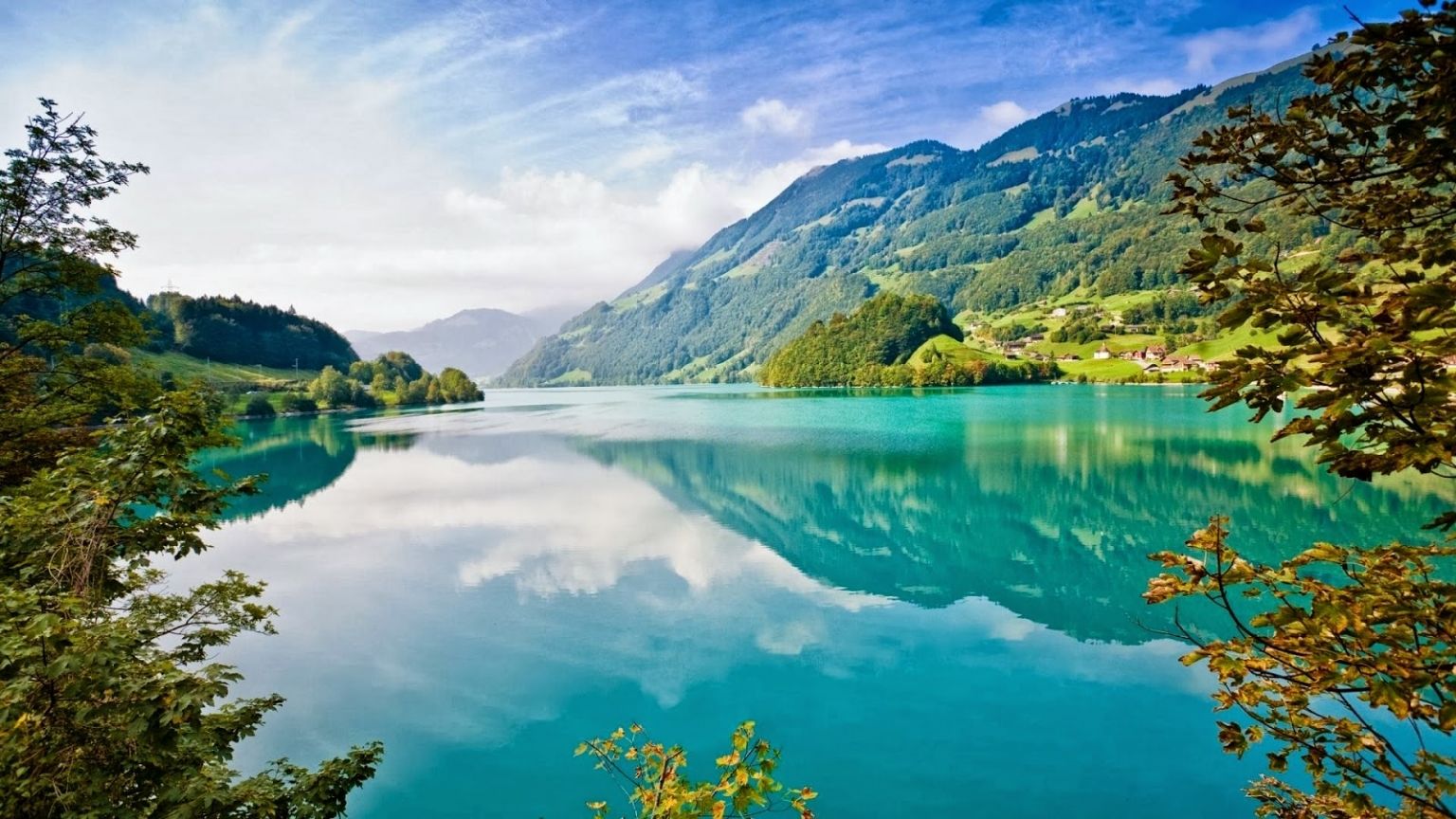
In the case of panorama images, having the best digicam options could make all of the distinction in capturing breathtaking photographs. A very good digicam ought to have the ability to face up to the weather, present sharp photos, and supply options that assist in capturing complicated scenes.
The Significance of Climate Sealing or Water Resistance
In panorama images, you are usually uncovered to harsh climate circumstances, similar to heavy rain, snow, or excessive temperatures. A weather-sealed or waterproof digicam can defend your gear from harm, providing you with peace of thoughts when taking pictures in difficult environments.
Some notable cameras that boast this function embrace:
In-body picture stabilization (IBIS) is one other essential function for panorama images. This know-how helps to cut back digicam shake and blur brought on by hand motion or low gentle circumstances.
The Advantages of In-Physique Picture Stabilization (IBIS), Greatest digicam for panorama images
IBIS works by shifting the digicam’s picture sensor to compensate for digicam shake or motion. This function is particularly helpful in low-light circumstances, permitting you to seize sharper photos with much less blur.
Some cameras with spectacular IBIS programs embrace:
A digicam’s metering system is essential in figuring out publicity settings, which might make or break a panorama shot. The three major metering modes are evaluative, spot, and center-weighted.
The Function of Metering Modes in Publicity
The metering system helps the digicam decide the proper publicity settings by analyzing the brightness and colour of the scene. By selecting the best metering mode, you possibly can guarantee correct publicity and optimum picture high quality.
This is a short overview of the three major metering modes:
Steady autofocus modes are important when capturing shifting topics inside a panorama scene. This function permits the digicam to repeatedly regulate the main target level, making certain sharp photos of fast-moving objects.
The Function of Steady Autofocus Modes
Steady autofocus modes are excellent for capturing fast-moving topics like wildlife, waterfalls, or clouds. By setting the digicam to steady autofocus, you possibly can guarantee sharp photos of dynamic components inside your panorama scene.
Some notable steady autofocus modes embrace:
Composing Panorama Photographs
Composing a panorama picture is about creating a visible connection between the viewer and the {photograph}. It is about deciding on and arranging the weather within the scene to convey the essence of the panorama. A well-composed panorama {photograph} can evoke feelings, inform a narrative, and draw the viewer into the picture.
Main Traces
Main traces are a elementary composition aspect in panorama images. They can be utilized to attract the viewer’s consideration to a specific a part of the picture, create a way of depth, and lead the viewer’s eye to a particular focal point. Listed here are some sorts of main traces:
When utilizing main traces, bear in mind to search for fascinating and distinctive traces that may add depth and curiosity to your picture.
Symmetry
Symmetry is a robust composition method in panorama images. It may be used to create a way of steadiness, order, and concord within the picture. Listed here are some ideas for utilizing symmetry in panorama images:
Symmetry can add a way of calmness and serenity to your picture, making it a robust composition method for panorama photographers.
Framing
Framing is a composition method that entails utilizing pure or man-made objects to border the topic or focal point within the picture. Listed here are some ideas for utilizing framing in panorama images:
Framing can add a way of context and placement to your picture, making it a robust composition method for panorama photographers.
Capturing the Human Component
Capturing the human aspect in panorama images entails incorporating folks, buildings, or different human-made objects into the picture. This will add a way of scale, context, and curiosity to the picture. Listed here are some ideas for incorporating the human aspect into your panorama photos:
Incorporating the human aspect can add a way of depth and curiosity to your picture, making it a robust composition method for panorama photographers.
Utilizing a Third-Social gathering Viewpoint
Utilizing a third-party viewpoint entails taking pictures from an uncommon or distinctive angle, similar to low-angle or high-angle photographs. This will add a way of drama, perspective, and curiosity to the picture. Listed here are some ideas for utilizing a third-party viewpoint:
Utilizing a third-party viewpoint can add a way of pleasure and curiosity to your picture, making it a robust composition method for panorama photographers.
Unfavourable House Composition
Unfavourable area composition entails utilizing empty area to create a way of simplicity, calmness, and serenity within the picture. Listed here are some ideas for utilizing detrimental area composition:
Unfavourable area composition can add a way of calmness and serenity to your picture, making it a robust composition method for panorama photographers.
Digital camera Settings for Panorama Images: Greatest Digital camera For Panorama Images
Mastering the artwork of panorama images entails understanding and using the best digicam settings to seize breathtaking photos of our pure world. In the case of panorama images, we regularly need to make compromises between picture high quality, file dimension, and digicam settings to attain the specified impact. On this part, we’ll delve into the important digicam settings for panorama images, together with publicity compensation, ISO, white steadiness, file format and compression, picture stabilization, and extra.
Setting Publicity Compensation, ISO, and White Steadiness
When taking pictures landscapes, it is common to come across various lighting circumstances, from vivid daylight to overcast skies. The publicity triangle consists of three elementary components: publicity compensation, ISO, and white steadiness. Understanding easy methods to work with these settings will enable you to obtain optimum leads to your panorama images.
Publicity Compensation = Publicity Index ± f-Cease
The method of setting publicity compensation, ISO, and white steadiness will be summarized as follows:
– Publicity compensation (EV): Modify the brightness of the picture by ± 1 EV, 1/2 EV, or 1/3 EV. For instance, when you’re taking pictures in vivid daylight, you would possibly set EV to -1 cease to forestall overexposure.
– ISO: Modify the digicam’s sensitivity to gentle. A decrease ISO (e.g., ISO 100) is often greatest for landscapes, because it produces much less noise and extra correct colours. Nonetheless, in low-light circumstances, a better ISO (e.g., ISO 6400) could be mandatory to attain a suitable publicity.
– White steadiness: Modify the colour temperature of the picture to swimsuit the lighting circumstances. Widespread white steadiness settings embrace Daylight, Shade, Tungsten, Fluorescent, and Auto. For landscapes, you possibly can often persist with Auto or Daylight.
File Format and Compression
File format and compression play a vital position in panorama images, as they instantly have an effect on the picture high quality and file dimension. This is a breakdown of the 2 choices:
– File Format: The most typical file codecs for panorama images are JPEG (Joint Photographic Specialists Group) and RAW (Uncooked Picture File). JPEG information are processed in-camera and are compressed, whereas RAW information are unprocessed and include extra information, permitting for larger flexibility throughout post-processing.
– Compression: Compression reduces the file dimension of the picture by discarding some information. Lossless compression methods, similar to ZIP or TIFF, can be utilized, however they might not all the time be appropriate for panorama images. Lossy compression, like JPEG, discards information that impacts the picture high quality.
When utilizing RAW information, it is important to shoot in a lossless format like Canon’s CR2 or Nikon’s NEF, as these information present probably the most information and adaptability for post-processing.
Picture Stabilization
Picture stabilization (IS) is an important function in panorama images, notably when taking pictures handheld or from a shifting platform. IS helps to cut back digicam shake and blur brought on by low gentle or sluggish shutter speeds. The 2 primary sorts of picture stabilization are:
– Optical Picture Stabilization (OIS): OIS makes use of lenses outfitted with a mechanism that counteracts digicam shake. Examples embrace the Canon EF 24-70mm f/2.8L II USM and the Nikon AF-S Nikkor 24-70mm f/2.8E ED VR.
– Digital Picture Stabilization (EIS): EIS makes use of a mixture of digicam and processor to compensate for digicam shake. Whereas efficient, EIS usually has restricted vary and might solely present as much as 2-3 stops of compensation.
When utilizing IS, bear in mind to:
– Allow IS for the very best outcomes.
– Preserve the lens or digicam stationary when utilizing IS.
– Modify the digicam settings, similar to ISO and shutter pace, to attain the specified publicity.
Key Settings for Totally different Panorama Genres
This is a desk evaluating key settings for varied panorama genres:
| Style | Publicity Compensation | ISO | White Steadiness | File Format | Picture Stabilization (IS) |
|---|---|---|---|---|---|
| Nightscapes | -1 to -2 EV | 6400 to 12800 | Cloudy or Auto | RAW (NEF or CR2) | OIS or EIS |
| Seascapes | 0 to +1 EV | 100 to 400 | Shade or Auto | RAW (NEF or CR2) | OIS or EIS |
| Landscapes | -1 to 0 EV | 100 to 400 | Daylight or Auto | RAW (NEF or CR2) | OIS or EIS |
By mastering these digicam settings and methods, you may be well-equipped to sort out the challenges of panorama images and seize breathtaking photos that showcase the great thing about our pure world.
Last Conclusion
In conclusion, the very best digicam for panorama images is one that gives a steadiness of picture high quality, options, and ergonomics, permitting you to seize beautiful photos in quite a lot of circumstances. Whether or not you are a seasoned photographer or simply beginning out, selecting the best digicam is essential for producing high-quality panorama photos. By contemplating the elements mentioned on this content material, you may make an knowledgeable determination and seize the breathtaking fantastic thing about the landscapes you encounter.
FAQ
What’s an important function to contemplate when selecting a digicam for panorama images?
Crucial function to contemplate is picture high quality, particularly the decision and dynamic vary of the digicam, in addition to the power to seize a variety of lighting circumstances.
Can I take advantage of a digicam with a mirror to take panorama photographs?
Sure, however a mirrorless digicam is most well-liked for panorama images because it supplies improved weight distribution, decreased vibration, and higher picture high quality.
How can I seize the dynamic vary of a panorama scene?
You should use methods similar to HDR and graduated impartial density filters to seize the dynamic vary of a panorama scene, or use a digicam with a large dynamic vary and an excellent autofocus system.
What are some widespread errors to keep away from when taking pictures panorama photographs?
Some widespread errors to keep away from embrace below or overexposing the picture, failing to contemplate the dynamic vary of the scene, and never utilizing a tripod or picture stabilization to forestall digicam shake.

