As finest psychological thriller motion pictures takes heart stage, this opening passage beckons readers right into a world of suspense, intrigue, and sophisticated characters crafted with good data, making certain a studying expertise that’s each absorbing and distinctly unique.
The psychological thriller style, born from the roots of movie noir and the long-lasting course of Alfred Hitchcock, has developed to captivate audiences with its cerebral and psychologically complicated narratives that blur the traces between actuality and fantasy, exploring the darkest corners of the human psyche.
The Evolution of Psychological Thrillers in Cinema
The psychological thriller style has undergone a major transformation since its inception, fascinating audiences with its capability to govern feelings and problem the thoughts. Its roots will be traced again to movie noir, which emerged within the Forties, characterised by its darkish and moody ambiance, reflecting the anxieties and fears of the post-war period.
Early Beginnings: Movie Noir and the Pioneering Administrators
Movie noir, born within the Forties, laid the groundwork for psychological thrillers. The style’s pioneers, resembling Fritz Lang and Alfred Hitchcock, expertly crafted suspenseful tales that not solely entertained but in addition mirrored the societal problems with their time. Hitchcock’s mastery of storytelling and suspense set the usual for the style, with movies like ‘Psycho’ (1960) and ‘The Birds’ (1963) cementing his legacy.
The Evolution of the Style, Finest psychological thriller motion pictures
As social norms and technological developments modified, the psychological thriller style tailored, influencing up to date storytelling. The Nineteen Seventies and Nineteen Eighties noticed a shift in the direction of extra cerebral, psychologically complicated narratives, resembling ‘Chinatown’ (1974) and ‘Blade Runner’ (1982). These movies explored themes of id, paranoia, and the results of technological developments.
Cinematography and Soundtrack in Trendy Thrillers
Trendy psychological thrillers rely closely on cinematography and soundtrack to create pressure and unease. The usage of lengthy takes, close-ups, and deliberate digicam actions can create an unsettling ambiance, drawing the viewers into the narrative. The soundtrack, typically that includes discordant and jarring notes, amplifies this unease, making the viewing expertise much more intense.
Shift in Plot Focus
Up to date psychological thrillers not rely solely on suspense-driven plots however quite discover the complexities of human psychology. The main focus has shifted from exterior threats to inner conflicts, delving into themes of id, psychological well being, and the human situation. This shift has led to a extra immersive viewing expertise, participating audiences on a deeper stage.
Impression on Viewers Engagement
The evolution of the psychological thriller style has had a profound impression on viewers engagement. With the rising complexity of plots and the exploration of human psychology, viewers are not merely entertained but in addition challenged to assume critically concerning the narrative. This has led to a extra participatory viewing expertise, encouraging audiences to piece collectively the story and uncover its secrets and techniques.
Examples of Trendy Psychological Thrillers
Movies like ‘Get Out’ (2017) and ‘A Quiet Place’ (2018) exemplify the fashionable psychological thriller’s deal with inner conflicts and the human situation. These movies use cinematography and sound design to create pressure, typically subverting viewers expectations and protecting viewers on the sting of their seats.
Conclusion
The evolution of the psychological thriller style has been a journey of adaptation and innovation. From its roots in movie noir to the complicated, psychologically pushed narratives of as we speak, the style continues to captivate audiences with its capability to problem the thoughts and manipulate feelings. As know-how advances and societal norms evolve, the psychological thriller will undoubtedly proceed to adapt, pushing the boundaries of cinematic storytelling.
Delving into the Minds of Cinematic Villains
Within the realm of psychological thriller movies, villains are sometimes extra complicated and intriguing than the heroes. These characters’ actions are pushed by a mess of psychological elements, making all of them the extra formidable and compelling. The very best cinematic villains possess a stage of depth and nuance that evokes empathy in viewers, blurring the traces between good and evil. This attribute is a trademark of psychological thrillers, because it raises questions concerning the nature of humanity and our capability for each good and evil.
The motivations and backstories of those villains are sometimes rooted in private crises, trauma, or internal demons. These underlying points drive their actions, resulting in a downward spiral of chaos and destruction. A well-crafted villain is just not merely a one-dimensional antagonist; they’re a multidimensional character with a wealthy historical past and psychological profile. This complexity makes all of them the extra plausible and relatable, whilst they commit heinous acts.
### Iconic Villains: A Research on Motivations and Backstories
A number of iconic villains in psychological thrillers have captivated audiences with their complexity and depth. The next examples illustrate the vary of motivations and backstories that drive these characters:
- Hannibal Lecter, from “The Silence of the Lambs,” is a masterful instance of a fancy villain. His sophistication, intelligence, and crafty make him a formidable opponent. His backstory reveals a lifetime of trauma and abuse, which fuels his need for management and dominance. Lecter’s motivation is rooted in a twisted sense of empathy, which permits him to govern these round him.
- The Joker, from “The Darkish Knight,” is a chaotic pressure of nature with no discernible motivation. His anarchic actions are pushed by a way of freedom and a need to shake the established order. The Joker’s backstory is shrouded in thriller, however his habits suggests a lifetime of trauma and disillusionment.
- Norman Bates, from “Psycho,” is a traditional instance of a villain with a psychological well being prognosis. His backstory reveals a lifetime of abuse and neglect, which has led to a dissociative id dysfunction. Norman’s motivation is rooted in a need to deal with the trauma of his previous, which leads him to create a separate, extra violent id.
The widespread thread amongst these iconic villains is their complexity and depth. They’re multidimensional characters with wealthy backstories, motivations, and psychological profiles. Their complexity makes all of them the extra plausible and relatable, whilst they commit heinous acts.
### Archetypes and Tropes: Understanding the Enduring Attraction of Cinematic Villains
Cinematic villains typically adhere to particular archetypes and tropes, which contribute to their enduring attraction. The next examples illustrate the commonest archetypes and their traits:
- The Sociopath: Villains with an absence of empathy, impulse management, and regret. They’re typically charming and charismatic, however finally, they lack a conscience.
- The Obsessive: Villains pushed by an intense deal with a specific aim or obsession. They’re typically keen to go to nice lengths to attain their goal, even when it means harming others.
- The Trauma-Pushed: Villains with a historical past of trauma or abuse. Their actions are sometimes pushed by a need to deal with their previous or precise revenge on those that have wronged them.
These archetypes and tropes are usually not mutually unique, and lots of cinematic villains embody a number of traits. The attraction of those archetypes lies of their relatability and familiarity. Viewers can typically relate to the struggles and motivations of those villains, making them extra complicated and nuanced.
### Implications on Narrative and Character Growth
A well-crafted villain has a profound impression on the narrative and character improvement in a psychological thriller. The presence of a fancy, multidimensional villain raises the stakes and will increase the stress, making the story extra compelling. The villain’s backstory and motivations additionally present perception into the protagonist’s character, making a richer and extra nuanced narrative.
In conclusion, cinematic villains are an important component in psychological thrillers, offering a stage of depth and complexity that provides to the style’s enduring attraction. The motivations and backstories of those villains are sometimes rooted in private crises, trauma, or internal demons, making them plausible and relatable. Understanding the archetypes and tropes that affect these villains is essential to making a compelling narrative and character improvement. By exploring the minds of cinematic villains, we acquire perception into the human situation and the darkest elements of our nature.
Mastering the Artwork of Disguise in Psychological Thrillers
Within the realm of psychological thrillers, creating an environment of uncertainty and distrust is essential in protecting audiences engaged and invested within the story. One efficient method to obtain that is by masterfully concealing the reality and using numerous narrative methods to maintain viewers guessing. This contains utilizing unreliable narrators, cut up views, and different techniques that manipulate the viewers’s notion of actuality.
Unreliable Narrators and Break up Views
The artwork of disguise in psychological thrillers typically begins with using an unreliable narrator or a cut up perspective. An unreliable narrator is a personality whose account of occasions is probably not fully truthful or trustworthy, typically attributable to their biases, psychological state, or motivations. This system retains the viewers questioning the accuracy of the data supplied, creating a way of distrust and uncertainty. As an example, in Christopher Nolan’s ‘Memento’, the narrator suffers from short-term reminiscence loss, forcing the viewers to piece collectively the occasions of the story in a non-linear vogue.
In lots of instances, using a cut up perspective permits the viewers to expertise the story from a number of viewpoints, every with its personal biases and agendas. This system can result in conflicting narratives, which will be each intriguing and disorienting. The movie ‘Shutter Island’ is a traditional instance of this system, the place the principle character’s notion of actuality is consistently known as into query because the story unfolds. By using a cut up perspective, the movie masterfully manipulates the viewers’s understanding of the occasions unfolding on display screen.
Plot Twists and Reveal
One other basic facet of crafting a psychological thriller is the artwork of making plot twists. A well-executed plot twist can flip your entire narrative on its head, altering the viewers’s understanding of the story and its characters. Plot twists typically depend on misdirection, pink herrings, and intelligent manipulation of data to maintain the viewers guessing. By skillfully withholding essential data or cleverly planting clues, the filmmaker can create suspense and anticipation that retains viewers engaged till the very finish.
Nevertheless, not all plot twists are created equal. A poorly executed twist can depart the viewers feeling dissatisfied, annoyed, and even confused. Subsequently, it’s important to stability pressure and suspense with readability and coherence. By understanding the viewers’s expectations and manipulating them cleverly, filmmakers can create plot twists which can be each stunning and satisfying.
Visible and Sonic Cues
Visible and sonic cues play a major function in creating pressure and anticipation in psychological thrillers. Refined hints, resembling digicam angles, lighting, and sound results, can sign to the viewers that one thing is just not fairly proper. By rigorously choosing these cues, filmmakers can create an environment of unease and uncertainty, protecting the viewers engaged and invested within the story.
One notable instance of efficient use of visible and sonic cues will be seen within the movie ‘Psycho’. The enduring bathe scene, with its fast enhancing and unsettling sound results, creates a way of chaos and terror that has turn out to be synonymous with the thriller style. Equally, using dim lighting and muted colours in ‘The Shining’ creates an environment of foreboding and dread, hinting on the supernatural occasions which can be about to unfold.
Key Pacing and Misdirection
Cautious pacing is crucial in making a suspenseful narrative. A well-balanced tempo can preserve the viewers engaged, making certain that they’re invested within the story and its characters. Misdirection, however, permits the filmmaker to govern the viewers’s consideration, protecting them centered on one facet of the story whereas concealing essential data.
In ‘Gone Lady’, the pacing is expertly maintained, with a gentle stream of twists and turns that retains the viewers engaged and invested within the story. By cleverly manipulating the viewers’s notion of the occasions unfolding on display screen, the movie masterfully conceals essential data till the very finish.
Exploring the Intersection of Psychology and Expertise in Thriller Movies
The fusion of psychology and know-how has caused a brand new dimension in thriller movies, permitting for thought-provoking explorations of the human psyche. As know-how advances, so does our understanding of its psychological implications. This synergy has led to the creation of gripping narratives that delve into the complexities of the human thoughts, revealing the darker aspect of our interactions with know-how.
The portrayal of rising applied sciences, resembling synthetic intelligence (AI) and digital actuality (VR), has turn out to be a staple in psychological thriller movies. AI, with its capability to imitate human-like intelligence, has opened up new avenues for storytellers to discover the boundaries of human id and the results of making clever beings.
The Affect of AI on Character Growth and Plot Development
The presence of AI in thriller movies typically serves as a catalyst for character improvement, as people battle to grasp and join with these clever entities. This dynamic permits for a deeper dive into the human situation, revealing fears, wishes, and the fragility of our existence. AI-driven plot twists and surprises add an additional layer of suspense, as characters navigate the blurred traces between human and machine.
- The AI assistant, Samantha, within the film “Her” (2013) serves as an emblem of human connection and intimacy, elevating questions on the way forward for relationships in a world the place know-how has surpassed human intelligence.
- In “Ex Machina” (2014), the AI, Ava, represents the hazards of unchecked human ambition and the results of taking part in God with creation.
Criticizing Technological Developments and Human Vulnerability
Psychological thriller movies typically critique the results of technological developments, highlighting human vulnerability and fallibility. By portraying the darker elements of know-how, these movies urge viewers to reassess their relationship with innovation and take into account the potential prices of progress.
- “The Matrix” (1999) is a traditional instance of a movie that critiques the management exerted by superior applied sciences over human society, sparking a revolt towards the machines.
- “Improve” (2018) explores the results of implanting know-how within the human physique, serving as a warning of the hazards of unchecked technological progress.
The Psychological Implications of Immersive Applied sciences
The rise of immersive applied sciences like VR has led to a brand new stage of realism in storytelling, permitting audiences to expertise the narrative in a extra intimate and visceral approach. Nevertheless, this enhance in immersion additionally raises considerations concerning the blurring of actuality and fantasy.
- VR experiences typically require a excessive stage of consideration and engagement, probably exacerbating anxiousness and stress in people who’re delicate to such stimuli.
- The rising availability of VR know-how raises questions on its potential use within the remedy of psychological well being situations, resembling PTSD and anxiousness issues.
The Illustration of Psychological Well being, Trauma, and Psychological Misery
The portrayal of psychological well being, trauma, and psychological misery in thriller movies has turn out to be extra nuanced, reflecting the rising recognition of those points in fashionable society. By depicting the complicated interaction between know-how and the human psyche, these movies present a platform for discussing and exploring the human situation.
- “Shutter Island” (2010) makes use of the setting of a psychiatric hospital to discover the blurred traces between actuality and delusion, elevating questions concerning the reliability of proof and the facility of the human thoughts.
- “Ari Aster’s Midsommar” (2019) employs using people horror themes to look at the results of unchecked trauma and the harmful energy of unresolved feelings.
Deconstructing the Function of Social Commentary in Psychological Thrillers: Finest Psychological Thriller Motion pictures
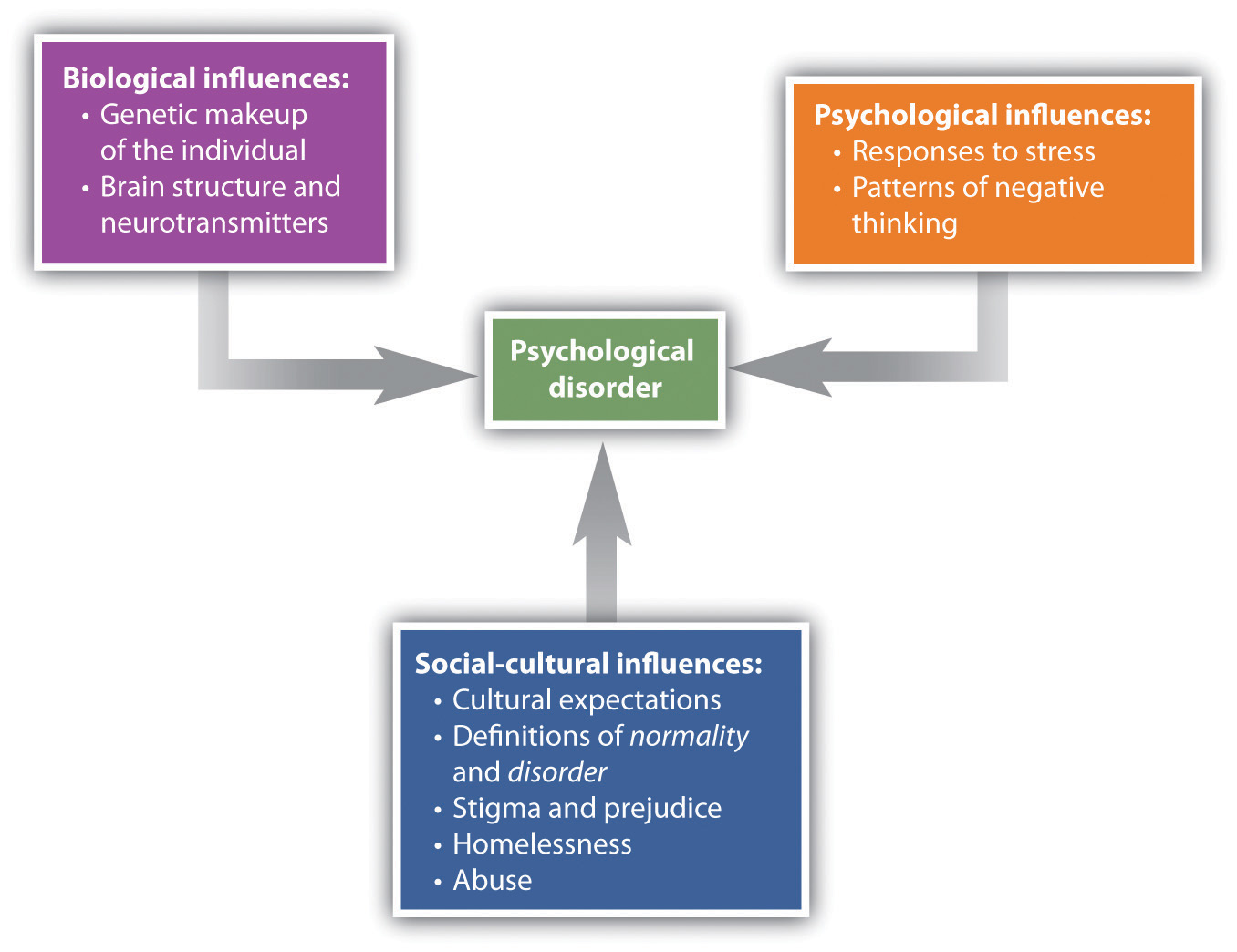
Psychological thrillers have lengthy been a preferred style of cinema, fascinating audiences with their intricate plots, complicated characters, and thought-provoking themes. Beneath their surface-level leisure, these movies typically function cautionary tales about societal points, shedding gentle on the darker elements of human nature and the results of our actions. One of the important methods during which psychological thrillers touch upon society is thru their exploration of energy dynamics and systemic oppression.
Representing Marginalized Teams and Their Struggles
Psychological thrillers typically use the style as a way to amplify the voices of marginalized communities, shedding gentle on the struggles they face and the systemic limitations they encounter. For instance, movies like “The Hand That Feeds” (2008) and “Whiskey Tango Foxtrot” (2016) sort out problems with inequality and sexism, exploring the methods during which these points are perpetuated and bolstered in society.
- The impression of systemic oppression on psychological well being
- The challenges confronted by marginalized communities in accessing justice
- The function of social class in perpetuating inequality
Addressing and Subverting Societal Norms
Psychological thrillers typically problem viewers’ perceptions and assumptions about societal norms, forcing us to confront the uncomfortable truths that lie beneath the floor. For instance, movies like “Get Out” (2017) and “Us” (2019) use horror components to critique racism and classism, whereas movies like “The Invitation” (2015) and “Coherence” (2013) discover the methods during which social norms will be manipulated and subverted.
- The usage of symbolism and metaphor in psychological thrillers
- The function of ambiance and setting in creating a way of unease
- The significance of subtlety in commenting on delicate social points
Nuanced Portrayals of Advanced Social Points
At their finest, psychological thrillers provide nuanced and considerate portrayals of complicated social points, avoiding oversimplification or didacticism. By exploring the grey areas between proper and incorrect, these movies invite viewers to have interaction with the problems in a extra considerate and empathetic approach. For instance, movies like “Shutter Island” (2010) and “Prisoners” (2013) use their plots to discover the complexities of psychological sickness and the justice system, providing no straightforward solutions or options.
“The reality is, we’re not as completely different as we expect. We’re all simply attempting to outlive, in our personal approach.” – The Visitor (2014)
Illuminating the Symbolism and Metaphors in Psychological Thrillers
Psychological thrillers have lengthy employed symbolism and metaphors as a way of including depth and complexity to their narratives. These visible and narrative units serve to create layers of interpretation, inviting viewers to have interaction with the story on a number of ranges. By analyzing the symbolism and metaphors current in these movies, we will acquire a deeper understanding of their themes and feelings.
Recurring Symbols and Metaphors
The usage of symbolism and metaphors is a trademark of psychological thrillers. Administrators typically make use of recurring symbols and metaphors to convey themes and feelings. For instance, mirrors can characterize self-discovery and introspection, whereas elevators can symbolize trapped conditions or emotions of confinement.
- Mirrors: Representing self-discovery and introspection, mirrors are sometimes used to convey the protagonist’s internal struggles and emotional state.
- Elevators: Symbolizing trapped conditions or emotions of confinement, elevators can create a way of pressure and unease within the viewer.
- Shadows: Used to characterize the unknown or unseen risks, shadows can create a way of foreboding and unease.
Within the movie “Black Swan,” the protagonist’s descent into insanity is mirrored in using mirrors and shadows. The mirrors characterize her rising obsession with perfection, whereas the shadows symbolize the darkness that lies inside her. This use of symbolism and metaphors provides depth and complexity to the narrative, inviting the viewer to have interaction with the story on a number of ranges.
“Probably the most highly effective image in a movie is the shadow, as a result of it represents the a part of ourselves that we can’t see.” – Martin Scorsese
Colours can even play an important function in conveying themes and feelings in psychological thrillers. For instance, using pink can symbolize ardour and depth, whereas using blue can characterize calmness and serenity.
The Use of Colours and Imagery
The usage of colours and imagery is a robust software in psychological thrillers. Administrators typically make use of particular colours and imagery to convey themes and feelings. For instance, using pink can symbolize ardour and depth, whereas using blue can characterize calmness and serenity.
- Purple: Symbolizing ardour and depth, pink can create a way of urgency and pleasure within the viewer.
- Blue: Representing calmness and serenity, blue can create a way of rest and tranquility within the viewer.
- Inexperienced: Used to represent progress and renewal, inexperienced can create a way of hope and optimism within the viewer.
Within the movie “Seven,” using pink and inexperienced is especially hanging. The pink bloodstains and the inexperienced lights of the surveillance cameras create a way of unease and pressure within the viewer. This use of colours and imagery provides depth and complexity to the narrative, inviting the viewer to have interaction with the story on a number of ranges.
The Significance of Context and Interpretation
The usage of symbolism and metaphors in psychological thrillers depends closely on context and interpretation. Viewers should take into account the particular context during which the symbols and metaphors are getting used, in addition to the themes and feelings which can be being conveyed. This requires a excessive diploma of engagement and participation from the viewer, as they have to draw their very own conclusions concerning the narrative.
- Context: The context during which the image or metaphor is getting used can drastically have an effect on its which means.
- Interpretation: The interpretation of the image or metaphor is subjective and might range from viewer to viewer.
- Engagement: The usage of symbolism and metaphors requires a excessive diploma of engagement and participation from the viewer.
In conclusion, using symbolism and metaphors is a robust software in psychological thrillers. By analyzing the recurring symbols and metaphors current in these movies, we will acquire a deeper understanding of their themes and feelings. The usage of colours and imagery, in addition to the significance of context and interpretation, all contribute to the complexity and depth of those narratives, inviting viewers to have interaction with the story on a number of ranges.
Conclusive Ideas
In conclusion, one of the best psychological thriller motion pictures provide an exhilarating trip via the maze of the human thoughts, pushing the boundaries of storytelling, and protecting viewers guessing till the very finish. Whether or not it is the suspense-driven plot, the complicated characters, or the thought-provoking themes, these movies invite us to confront our deepest fears and query our perceptions of actuality.
FAQ Defined
What makes a psychological thriller really efficient?
A well-crafted psychological thriller typically employs a mixture of shock plot twists, complicated characters, and thought-provoking themes that preserve viewers engaged and guessing till the very finish.
How do psychological thrillers typically painting villains?
Psychological thrillers typically painting villains as complicated and multidimensional characters pushed by internal demons, private crises, or different psychological elements, creating a way of empathy in viewers and alluring them to query their very own motivations.
What’s the significance of setting in psychological thrillers?
Setting is essential in psychological thrillers, because it typically displays the characters’ psychological states, reinforces themes, and creates pressure and unease via using cinematography and sound design.
Can psychological thrillers be instructional?
Sure, psychological thrillers will be instructional, as they typically touch upon societal points, resembling inequality, corruption, and psychological well being, inviting viewers to have interaction with complicated themes and query their assumptions concerning the world.

