Why Are My Agave Leaves Falling Off 7 Common Causes and Solutions
Agave leaves falling off can be alarming for any plant owner, especially since these architectural specimens often appear so tough and resilient. When you notice healthy foliage suddenly detaching, it is natural to wonder whether the plant is dying or simply responding to its environment. Understanding the underlying reasons for leaf loss helps transform panic into informed care, ensuring your agave remains a striking focal point in your garden or indoor space.
These drought-tolerant succulents originate from harsh, sunny landscapes, so they have evolved to conserve resources and protect their vital core. A single agave plant may live for many years, slowly building a robust rosette of fleshy leaves that store moisture. When conditions shift beyond their comfort zone, however, they respond by shedding foliage to redirect energy toward survival, and observing this process closely is key to diagnosing the issue.
Environmental Stressors and Physical Damage
Sudden changes in temperature, light, or humidity frequently trigger leaf drop in agaves, as these plants are built for stability rather than constant fluctuation. A cold draft, an unexpected frost, or an intense heatwave can all shock the plant, causing older leaves to yellow, soften, and detach as the agave prioritizes its central crown.


Sub-topic A
Exposure to freezing temperatures is one of the most common environmental reasons for agave leaves falling off, particularly in regions with unpredictable winters. Even a light frost can damage the water content within the leaves, leading to collapsed cell walls that turn the foliage mushy and brown at the edges.
In contrast, intense, direct sunlight combined with dry air can cause sunburn, creating bleached or scorched patches that eventually dry up and fall away. When moving an agave to a brighter location, it is wise to do so gradually so the plant can acclimate without overwhelming its photosynthetic machinery.


Sub-topic B
Physical disturbances, such as rough handling during repotting or accidental bumps, can also result in leaves breaking or coming loose from their bases. Because agave leaves are heavy and rigid, strong winds outdoors or even enthusiastic brushing against furniture indoors can snap them off near the attachment point.
Improper watering practices, whether through chronic overwatering that leads to root rot or underwatering that stresses the plant, weaken the connection between leaf and stem. A weakened base is more likely to let go, so maintaining a careful balance is essential to keeping the rosette intact and healthy.
Pests, Diseases, and Natural Aging
Infestations of insects like mealybugs or spider mites can sap nutrients from the foliage, causing leaves to yellow, dry, and detach prematurely. These pests often hide in the crevices between leaves, feeding on sap and creating wounds that invite fungal infections into the plant's tissues.


Sub-topic C
Fungal and bacterial diseases frequently exploit excess moisture around the base of the agave, leading to soft, discolored spots that spread rapidly along the leaves. Once the structural integrity of a leaf is compromised, it may collapse or separate from the plant, sometimes in dramatic fashion.
Ensuring excellent air circulation, using well-draining soil, and avoiding water on the leaves can significantly reduce the risk of disease-related leaf loss. Quarantining any new agave specimens before introducing them to your collection is another effective strategy to keep pathogens at bay.
Sub-topic D
As agaves age, their lower leaves naturally yellow and die back, a process that can look concerning but is often a normal part of their lifecycle. The plant redirects resources upward, supporting the growth of new offsets and the central rosette, which may eventually lead to flowering and, for many species, the death of the parent plant.


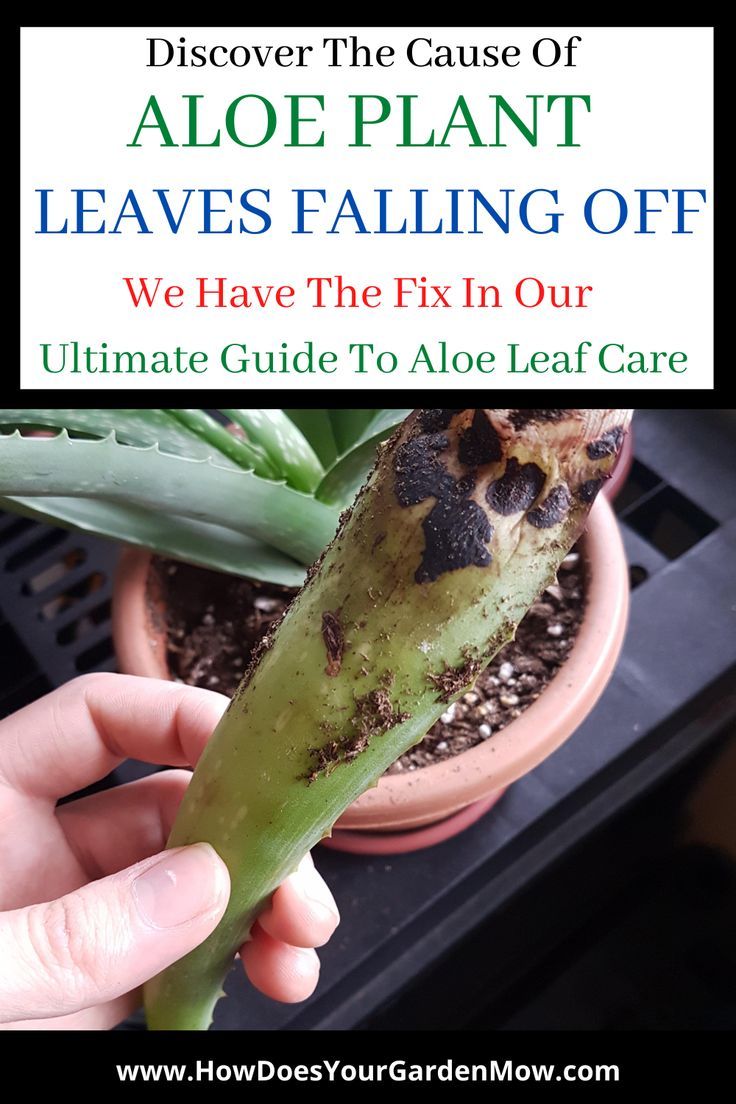


Distinguishing between natural senescence and decline caused by care mistakes involves checking the overall vigor of the plant. Healthy new growth emerging from the center while older leaves gently shed usually indicates that your agave is simply maturing rather than succumbing to stress.
Caring for an agave means observing its subtle signals, from the texture of its leaves to the rate at which they drop, so you can adjust light, water, and airflow accordingly. With attention to detail and a calm approach, most leaf-loss issues can be managed, allowing your agave to maintain its sculptural beauty for many seasons to come.
Related Articles

Why Has My Azalea Lost Its Leaves: Common Causes and Solutions
Noticing that your azalea has lost its leaves can be concerning, but this symptom is often a sign of stress rather than an immediate death sentence. Leaf drop...

Azalea Leaves Turning Brown: Common Issues & Solutions
If your azalea leaves are turning yellow, brown, or black, or if they're wilting, curling, or dropping off, you're likely wondering, "What's wrong with my...

Agave Plant Collapse: Causes & Solutions
When the sturdy trunk of an agave plant suddenly goes limp and topples over, it can be alarming for any grower, whether in a desert garden or a bright indoor...

Azalea Leaves: Common Problems & Solutions
Azaleas, with their vibrant flowers and attractive foliage, are a delight in any garden. However, like any plant, they can face issues that may affect their...

Olive Tree Leaves Turning Brown Tips Causes Solutions
Have you noticed your olive tree's leaves turning brown at the tips? You're not alone. This common issue, known as tip burn, can be quite concerning for olive...

Toilet Cistern Gap: Causes & Solutions
Discovering a gap behind your toilet cistern can be unsettling, yet it is an issue many homeowners encounter at some point. This space between the tank and the...