Cedar Trees: The Ultimate Privacy Screen
Homeowners and landscapers searching for a natural screen often ask whether cedar trees are a smart choice for privacy. These evergreen conifers bring a distinct fragrance, rich color, and vertical structure that can transform a plain backdrop into a refined boundary. The question of whether cedar trees are good for privacy depends on your climate, space, and long term vision for the property.
Beyond simple aesthetics, privacy screens must offer density, height, and year round coverage, and cedar species often meet these demands better than many alternatives. When planted thoughtfully, they can reduce noise, limit visual intrusion, and create a secluded outdoor room without the cost or permanence of a masonry wall. Understanding how these trees grow, how quickly they fill in, and how to care for them will help you decide if they match your privacy goals.
Growth Habits and Mature Size
Cedar trees, particularly varieties like Eastern Red Cedar and Western Red Cedar, tend to form tall, columnar shapes that naturally lend themselves to screening. Their growth rate and ultimate size depend on species, soil, and climate, but most will establish a strong presence within a few years of planting. Choosing the right cultivar for your space ensures the tree fits both your privacy needs and your property lines.


Because these trees can reach significant height and spread, planning their placement is essential to avoid future conflicts with structures, power lines, or neighboring yards. A thoughtful layout takes into account not only how tall the tree will become, but also how wide it will appear at maturity, creating a balanced frame for your outdoor space.
Growth Rate and Early Establishment
In the initial years after planting, cedar trees often show vigorous growth, adding several feet in height annually under favorable conditions. This rapid early establishment can make them feel like a faster solution compared to slower broadleaf evergreens. Proper watering, mulching, and avoiding stress during the first years significantly support consistent growth.


While they are not the absolute fastest growing species, their combination of height and density makes them effective at closing gaps in a fence line or screening an unsightly area within a reasonable timeframe. Choosing healthy nursery stock and planting at the right time of year further accelerates this early establishment phase.
Mature Height and Spread
At maturity, many cedar species can tower well above surrounding plants, sometimes reaching forty feet or more, depending on the variety and site conditions. Their spread, though often narrower than some deciduous trees, still requires enough lateral space to develop gracefully without pruning into unnatural shapes. This vertical emphasis is precisely what makes them such strong privacy candidates.
The density of the foliage from ground to canopy means that views inward and outward are largely blocked, creating a true visual barrier. When you account for their mature form, cedar trees function not just as background plants but as primary structural elements in your landscape design.


Privacy Performance and Screening Benefits
The effectiveness of cedar trees for privacy comes from their dense, evergreen foliage and natural tendency to form cohesive groves. They block lines of sight, reduce noise pollution, and buffer harsh winds, making outdoor areas more comfortable throughout the year. Compared with lattice or metal fencing, a living screen feels warmer and more integrated with the surrounding environment.
Because their leaves persist through the seasons, cedar trees provide consistent seclusion in winter as well as summer, unlike deciduous options that lose their cover. This reliability is a major advantage for homeowners who want a stable, low maintenance barrier that does not require annual installation or removal.
Density and Year Round Coverage
The tight branching pattern of cedars means that very little open space exists between leaves and branches, which is crucial for true visual blocking. Even in the cold months, when many privacy plants are bare, these trees maintain their structure and opacity. This translates into uninterrupted seclusion no matter the season.


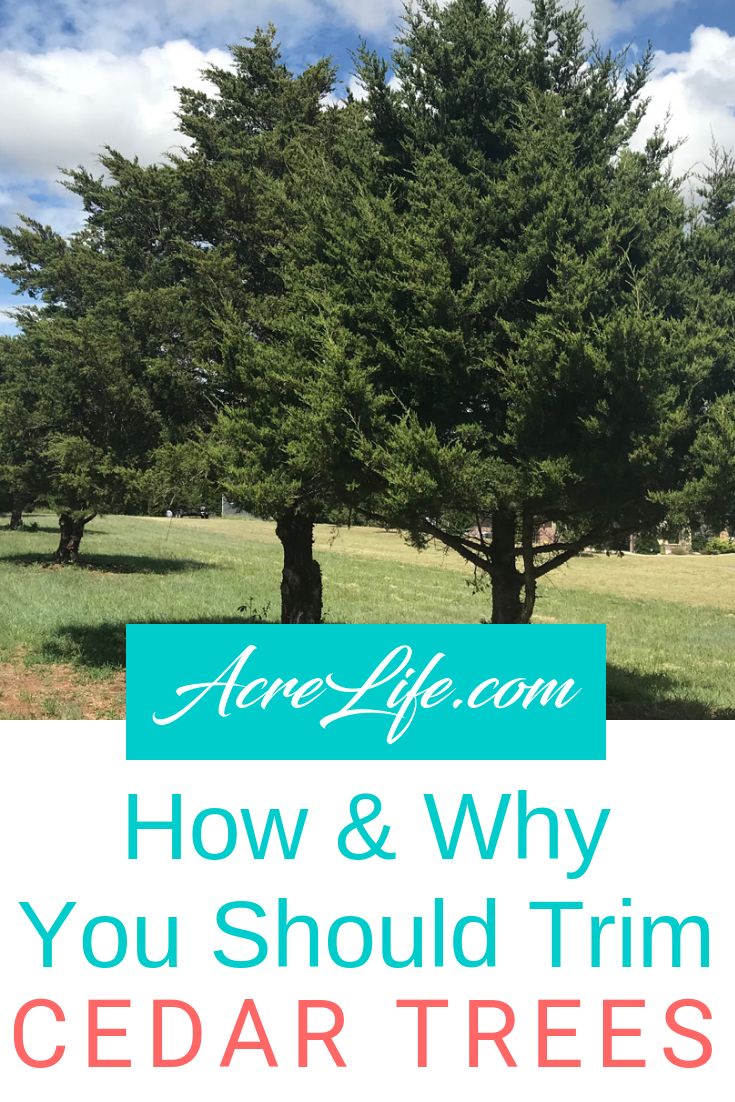


Furthermore, the evergreen nature of cedars reduces the need for additional underplanting or supplementary screening elements. A well placed row of cedars can stand alone as a formidable privacy hedge, simplifying long term maintenance and ongoing design decisions.
Noise Reduction and Windbreak Benefits
Beyond blocking vision, dense evergreen canopies like those of cedar trees help absorb and deflect sound waves, lowering noise from nearby streets, neighbors, or commercial areas. This acoustic buffering can make a busy yard feel more like a quiet retreat, enhancing the overall sense of privacy.
When planted along prevailing winds, these trees also act as an effective windbreak, reducing wind chill and protecting more delicate plants. The dual function of screening and environmental protection adds measurable value to any landscape where comfort and privacy are priorities.
Site Planning and Long Term Care
Maximizing the privacy potential of cedar trees begins with thoughtful site planning, including spacing, soil preparation, and long term maintenance strategies. Proper initial placement prevents the need for later transplanting or corrective pruning, saving both time and stress. Incorporating them into a broader landscape plan ensures they enhance rather than disrupt your property's functionality and appearance.
Because these trees will occupy space for decades, considering their mature root systems, height clearance, and proximity to structures is essential. Addressing these factors early supports healthy growth, minimizes future conflicts, and keeps your privacy screen performing at its best.
Spacing and Planting Layout
For a continuous screen, planting cedar trees at the correct intervals is key, typically allowing ten to fifteen feet between saplings depending on expected mature width. This spacing lets the crowns eventually touch, forming an unbroken visual wall while still giving each tree enough room to develop a healthy structure. Adjustments may be needed for smaller ornamental varieties or tighter privacy goals.
Strategic placement near property lines, around patios, or along problem sightlines can dramatically improve the perceived seclusion of your outdoor areas. Planning the layout with both current and future growth in mind ensures that the screen remains effective as the trees mature and the landscape evolves.
Long Term Maintenance
Once established, cedar trees are relatively low maintenance, but they still benefit from periodic pruning to remove damaged branches and maintain the desired shape. Avoid heavy shearing that might compromise their natural form, and focus on enhancing airflow and light penetration within the canopy to support long term health.
Monitoring for pests and diseases, mulching to retain moisture, and watering during extended dry periods all contribute to a vigorous screen. A little consistent care goes a long way in preserving the dense, evergreen cover that makes cedar trees such an appealing privacy solution.
Evaluating whether cedar trees are good for privacy means weighing their rapid early growth, year round density, and low maintenance needs against your specific site conditions and design preferences. When matched to the space, they become a striking landscape feature that delivers both seclusion and beauty. Thoughtful planning today ensures this living screen will serve you well for many seasons to come.
Related Articles

Cedar Fencing: The Ultimate Privacy Solution
Homeowners seeking a reliable and visually appealing boundary solution often ask, is cedar good for privacy fence projects, and the short answer is a confident...
Planting Evergreen Trees for Privacy: The Ultimate Guide to Year-Round Seclusion
Planting evergreen trees for privacy is one of the most effective and rewarding ways to create a serene, enclosed sanctuary in your outdoor space. Unlike a...
Best Cedar Trees for Privacy: Top Picks for Your Garden
Choosing the right evergreen screen for your property is one of the most effective ways to create a calm, private outdoor space without waiting years for...

What Are Privacy Trees Called: The Ultimate Guide to Confidentiality
When people start exploring digital privacy tools, they often ask what are privacy trees called in technical documentation and everyday conversations...

Best Trees for Fence Line Privacy
Choosing the right good trees for fence line privacy can transform your outdoor space into a serene retreat, blocking unsightly views and noise while adding...

Is Bamboo Good for Privacy: The Ultimate Guide to Natural Fencing
Homeowners and commercial property managers searching for natural, sustainable solutions often ask, is bamboo good for privacy, and the resounding answer is...