Cedar Trees: A Boon or Bane for Your Property?
Many property owners find themselves asking whether cedar trees are a wise choice for their land, and the short answer is often yes, provided you understand their specific needs and benefits. These aromatic evergreens bring a distinctive look to a landscape while offering practical advantages that range from natural privacy to a pleasant sensory experience. Because every yard has different conditions, it helps to examine how cedar trees perform in areas like soil drainage, available space, and local climate before making a planting decision. When cared for correctly, they can become a long term asset that enhances both the curb appeal and the comfort of your outdoor areas.
Beyond their visual appeal, cedar trees contribute to the feeling of tranquility in a yard, thanks to their rich green foliage and signature scent that many people find soothing. You also gain practical benefits such as reduced noise from nearby roads or neighbors, thanks to their dense growth habit and considerable height. However, it is important to approach them with realistic expectations, since their performance varies depending on the species you choose and how closely your property matches their ideal growing conditions. A thoughtful review of these factors will help you decide if the investment in time and effort is worthwhile for your particular situation.
Key Advantages of Cedar Trees for Residential Landscapes
Cedar trees are frequently praised for the combination of beauty and utility they bring to residential lots, making them a popular choice for homeowners who want structure without excessive maintenance. They grow into tall, stately specimens that can frame a house, line a driveway, or create a backdrop for flower beds, all while establishing a strong sense of place in the design. Because many species are naturally resistant to insects and decay, they tend to remain healthy and attractive for years, which reduces the need for chemical treatments that some families prefer to avoid.

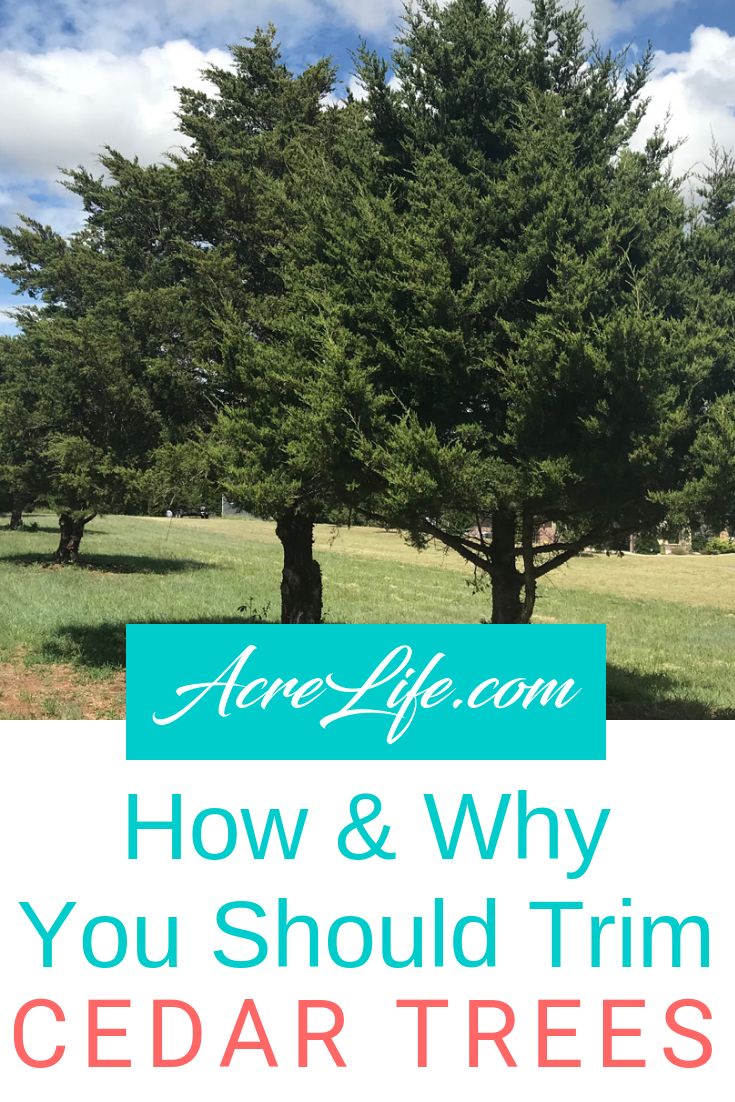

Another compelling reason to consider cedar trees is their role in supporting local wildlife and improving the overall ecological balance of your property. Birds often build nests in the dense branches, and the steady presence of an evergreen tree provides shelter during harsh weather and seasonal changes. At the same time, their root systems help stabilize soil in areas where erosion might otherwise be a concern, especially on slopes or near drainage paths. When you weigh these environmental benefits against the space they require, many owners decide that cedar trees are a good fit for their long term property goals.
Natural Privacy Screening
One of the most sought after features of cedar trees is their ability to serve as a living privacy barrier, effectively blocking views from neighbors, roads, or nearby developments. Because these trees grow relatively quickly for conifers and form a tight canopy, they can create a secluded outdoor room in just a few years, especially when planted in a row or staggered pattern. Unlike temporary fences, which can look harsh and require constant upkeep, a line of cedar trees integrates smoothly into the landscape while signaling that your property is a private, comfortable space.


The evergreen nature of cedar trees means that your screen remains effective through every season, maintaining both coverage and noise reduction during the year. You can enhance this effect by planning the spacing carefully, allowing each tree enough room to mature without becoming overcrowded, which keeps the overall look balanced and healthy. Thoughtful placement near patios, decks, or windows can turn an otherwise exposed area into a relaxing retreat where you feel shielded from the outside world while still enjoying fresh air and natural light.
Low Maintenance Compared to Deciduous Alternatives
For busy homeowners, cedar trees offer the advantage of lower maintenance when stacked against many deciduous species that drop large amounts of leaves each fall. Because they keep their foliage year round, you spend less time on cleanup and more time enjoying your outdoor spaces, particularly during the cooler months when leafless yards can feel stark. Their slow to moderate growth rate also means that pruning needs are typically limited to shaping and the removal of any damaged or diseased branches, rather than frequent shearing to control size.
This durability translates into long term savings, both in terms of time and the cost of replacing plants or repairing damage caused by storms. Cedar trees are generally tough once established, tolerating a range of temperatures and weather conditions that might challenge more delicate species. As long as you start with healthy specimens and plant them in suitable locations, you can expect them to provide consistent structure and greenery with minimal intervention over the years.


Soil and site considerations
Even the most appealing tree species can struggle if the site does not match their natural preferences, and cedar trees are no exception when it comes to soil and location. They generally perform best in areas with good drainage, because standing water around the roots can lead to rot and other health problems over time. If your property has heavy clay or consistently wet spots, you may need to amend the soil or choose a slightly elevated location to give the roots the airflow and moisture balance they need.
Observing how sunlight moves across your property throughout the day is another critical step, since cedar trees require plenty of direct light to develop strong form and rich color. In regions with hot afternoon sun, a little protected morning light followed by gentle shade can help prevent stress on the foliage. Matching these light and drainage requirements to the specific cedar species you select will increase your chances of enjoying a thriving, well adapted tree that looks its best for decades.
Potential Challenges and Considerations
While cedar trees offer many benefits, it is important to acknowledge the challenges that can arise so you can plan accordingly. Their size at maturity means that planting too close to structures, power lines, or underground utilities can lead to conflicts as the tree expands, potentially requiring costly adjustments later on. Understanding the mature height and spread of your chosen species allows you to place trees thoughtfully, preserving both the health of the tree and the integrity of your property features.


Allergic reactions to cedar pollen are another factor that some prospective buyers need to consider, especially in regions where these trees release large amounts of pollen into the air during certain seasons. If you or members of your household are sensitive, you might explore species with lower pollen production or adjust the placement so that the trees are situated away from primary outdoor living areas. Consulting local nurseries or arborists can help you identify varieties that balance your aesthetic preferences with practical health concerns.
Space Planning and Mature Size
One of the most common mistakes in landscaping is underestimating how large a tree will eventually become, and cedar trees are certainly capable of reaching impressive heights and widths if left unpruned. Careful space planning involves looking not just at the immediate surroundings but also at what lies beneath power lines, beside roof lines, and near underground pipes. Giving each tree enough room from the start reduces the need for drastic pruning and helps the tree develop a strong, natural shape that enhances your property’s architecture.
You can also combine cedar trees with other plants that thrive in similar conditions, creating layered landscaping that maximizes visual interest without compromising the tree's health. Groundcovers, shrubs, and carefully chosen perennials can fill the area beneath the canopy, offering color and texture while helping to retain soil moisture. This thoughtful approach allows you to enjoy a rich, diverse landscape while still reaping the primary advantages that cedar trees provide.
Local Climate and Growth Expectations
Climate plays a significant role in how well cedar trees will perform in your area, since different species are adapted to everything from cool mountain regions to warmer, more arid zones. Researching hardiness zones and typical weather patterns helps you choose a variety that will not only survive but also flourish on your property. Planting a species that is naturally suited to your climate reduces the need for supplemental irrigation and makes the tree more resilient during extreme weather events.
Keep in mind that young cedar trees require consistent care during their first few years, including watering during dry spells and protection from physical damage. As they mature, they generally become more self sufficient, but setting realistic expectations about this growth timeline helps you stay satisfied with your landscape. When you align your vision with the tree’s natural growth habits, you create an environment where both the trees and the surrounding plants can thrive together.
Long Term Property Value
Thoughtfully placed cedar trees can contribute to long term property value by creating an inviting atmosphere that appeals to buyers or renters who appreciate established landscaping. A well maintained stand of these trees can frame a home beautifully, adding depth and character that is difficult to achieve with structures alone. Because they are evergreen, they continue to deliver visual impact during every season, which can make your property stand out in a competitive market.
At the same time, it is wise to consider how the location of the trees interacts with other elements of your property, such as driveways, walkways, and outdoor living spaces. When the sight lines, lighting, and airflow are balanced correctly, cedar trees enhance the overall design rather than competing with it. This kind of strategic planning ensures that your investment in time and effort translates into lasting benefits for your home and its surroundings.
Evaluating whether cedar trees are a good fit for your property ultimately comes down to balancing their many advantages with the specific conditions of your land, including space, climate, and personal lifestyle preferences. By understanding their growth habits, maintenance needs, and the long term impact on your outdoor environment, you can make an informed choice that supports both beauty and function. Thoughtful preparation and attention during the early years will help these trees become a lasting feature that you and your community can enjoy for years to come.
Related Articles

Cedar Trees: A Boon for the Environment
When you picture a forest standing strong against wind and rain, the image of cedar trees often comes to mind, and a very relevant question appears concerning...
Best Cedar Trees for Privacy: Top Picks for Your Garden
Choosing the right evergreen screen for your property is one of the most effective ways to create a calm, private outdoor space without waiting years for...

Olive Trees: A Boon for the Environment
Olive trees have quietly shaped Mediterranean landscapes for thousands of years, and their influence today reaches far beyond the kitchen. People who wonder...

Stunning Decorative Cedar Fence Ideas for Your Backyard Oasis
Decorative cedar fence ideas bring a timeless, organic warmth to any outdoor space, turning a simple boundary into a signature design feature. Cedar’s natural...

Does Your Neighbor Pay Half For The Fence Shared Property Rules
When you stand in your backyard and look over the fence, the question of shared responsibility often comes to mind, specifically the cost of maintaining that...

The Perfect Front Yard Tree: Top Choices for Curb Appeal
When it comes to enhancing your home's curb appeal, few elements make as significant an impact as the right tree in your front yard. Not only do trees provide...