Are Cedar Trees Protected?
Many landowners, landscapers, and outdoor enthusiasts find themselves asking, are cedar trees protected, and the answer is not a simple yes or no. The status of protection for these aromatic evergreens depends on a complex blend of species, location, and local regulations, making it essential to look beyond a one-size-fits-all rule. While some cedar varieties thrive in common landscapes, others stand as rare guardians of unique ecosystems, triggering significant legal safeguards. Understanding the nuanced layers of regional forestry laws and environmental policies is the only way to determine the true legal standing of the cedars on your property or in your neighborhood.
In the realm of urban forestry and private land management, the question of protection often arises after a neighbor plans a major project or a developer surveys a new lot. Cedar trees, belonging to various genera including Juniperus and Cedrus, are frequently encountered, yet their perceived resilience can mask specific legal vulnerabilities. For homeowners, the concern is usually about pruning limits or removal permits, whereas for conservationists, it centers on the preservation of old-growth forests. The variability in how these trees are treated under the law underscores the importance of verifying local ordinances before taking any action.
Understanding Federal and State Protections
At the broadest level, federal law in the United States does not automatically protect most cedar trees simply because they are cedar. However, the Endangered Species Act provides a critical safety net for specific species that are struggling to survive. If a cedar is classified as a threatened or endangered species, it becomes unlawful to harm, harass, or destroy it without a specific permit. This legal mechanism is vital for the preservation of biodiversity, ensuring that these genetically unique organisms are not lost to development or exploitation.

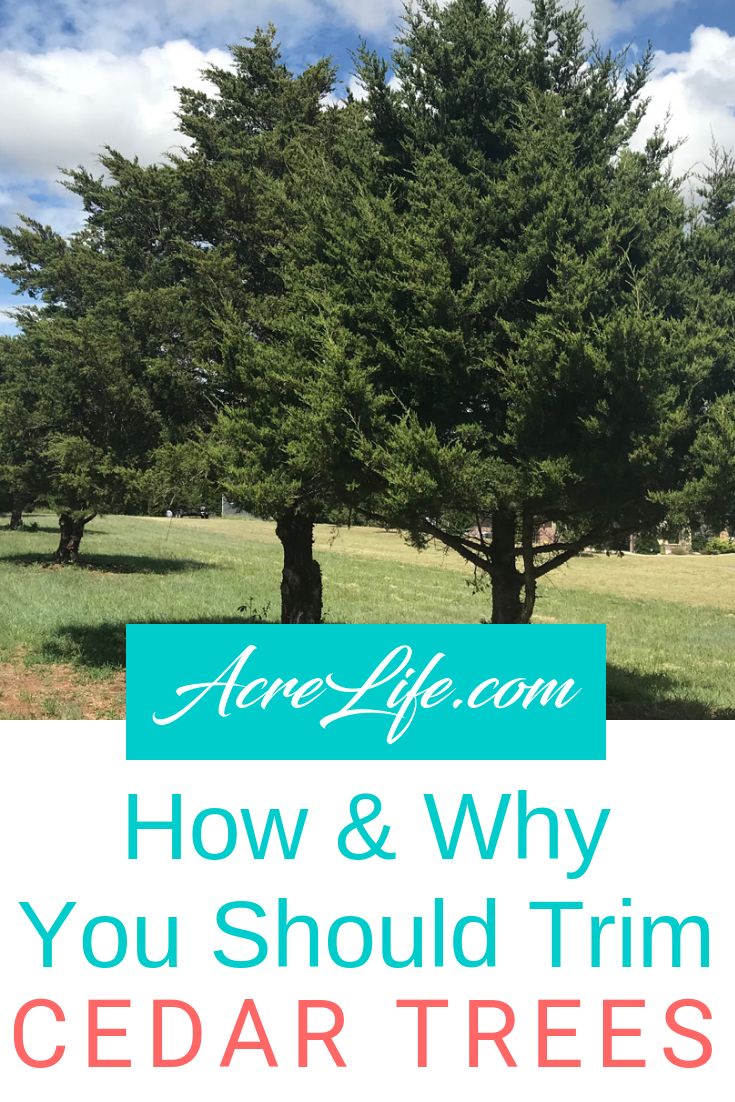

State-level regulations often create a more detailed and immediate framework for tree protection. Many states maintain their own lists of endangered, threatened, or special concern species, and several cedar varieties find a place on these lists. Furthermore, local municipalities frequently adopt tree ordinance laws that dictate the removal process for trees of a certain size, regardless of the species. This means that even a common landscaping cedar might be shielded by local bylaws, requiring a permit for trimming or removal to prevent indiscriminate loss of urban canopy.
Endangered Species Act Listings
The interaction between cedar trees and the Endangered Species Act is a prime example of why the question are cedar trees protected requires a detailed answer. For instance, the Texas cedar differs significantly in its legal status from the Florida cedar, which may be a distinct and rare species. Only specific, scientifically classified species or subspecies listed as endangered receive this robust federal protection. If a particular cedar is on this list, activities that destroy its habitat or kill the tree itself are strictly prohibited, representing a powerful legal safeguard against extinction.


Enforcement of these federal protections involves significant penalties for violations, which can include substantial fines and even criminal charges. These consequences are designed to deter reckless behavior that could push a vulnerable species closer to the brink. Landowners who are uncertain about the species on their land are strongly advised to consult with local wildlife authorities or forestry departments. Proper identification is the crucial first step in determining whether federal law applies to their specific situation.
Local and Municipal Tree Ordinances
Beyond species-specific federal rules, the protection of cedar trees is heavily influenced by where the tree is located. Cities and counties often pass ordinances to manage their urban forests, protecting large, mature trees because of their environmental and aesthetic value. These laws typically focus on tree diameter or canopy coverage rather than species, meaning a large cedar in a municipal park may be treated the same as an oak or maple. Removing or significantly pruning such a tree usually requires a permit and the approval of a city arborist.
These local regulations serve a critical conservation role in densely populated areas where natural landscapes are fragmented. They help maintain shade, improve air quality, and support wildlife, all of which are diminished when large trees are removed without oversight. Homeowners should always check with their local planning or public works department before cutting down a cedar, even on private property. The presence of a cedar tree can trigger these protective ordinances, making the tree legally shielded from unregulated removal.


Ecological and Cultural Significance
The reason so many regulations exist to answer the question are cedar trees protected lies in their profound ecological and cultural importance. Ecologically, cedars provide critical habitat for a wide array of wildlife, offering shelter and food for birds, insects, and small mammals. Their root systems help stabilize soil and prevent erosion, particularly in mountainous regions, while their evergreen presence contributes significantly to the forest carbon cycle. Protecting these trees is often synonymous with protecting the entire ecosystem they support.
Culturally and historically, cedar trees hold a special place in many societies, particularly for Indigenous communities across North America. These trees have been used for centuries in traditional ceremonies, the construction of totem poles, and the carving of spiritual artifacts. This deep historical connection has led to specific cultural protections and a general societal respect for the tree. Modern conservation efforts often recognize this intrinsic value, integrating traditional ecological knowledge into the management plans that determine how these trees are legally protected.
Habitat and Wildlife Support
Cedar trees are keystone species in many biomes, creating complex environments that support life far beyond their bark and branches. The dense foliage provides a cool, humid microclimate that mosses, ferns, and lichens depend on. In turn, these associated plants create microhabitats for invertebrates and small reptiles. The protection of a single cedar tree can therefore have a ripple effect, preserving a whole community of organisms that rely on its specific structure and chemical output.


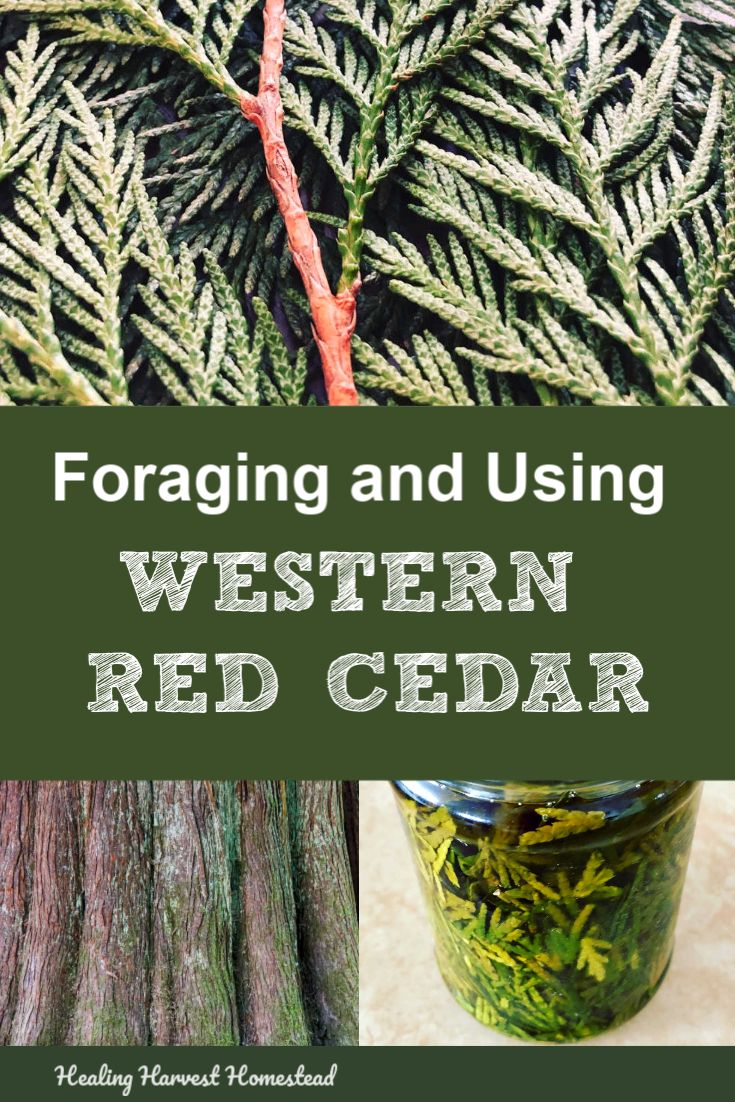


Bird populations are particularly reliant on cedar species for nesting and roosting. The evergreen nature of the tree offers year-round security from predators and the elements, making it an ideal nursery for raising young. Insects that feed on cedar foliage support bird diets, especially during the breeding season. This intricate web of dependency highlights why conservation laws treat cedars not as isolated lumber, but as vital components of a living, breathing habitat that requires legal guardianship.
Historical and Cultural Reverence
To view cedar trees solely through the lens of legality is to ignore their deep historical roots in human culture. For many Native American tribes, the cedar is a sacred gift, symbolizing strength, permanence, and purification. The act of harvesting cedar for practical or spiritual use is often governed by strict traditional protocols. This cultural reverence has translated into modern legal frameworks that require consultation with tribal authorities before managing trees on public or historical lands.
This cultural layer adds complexity to the question are cedar trees protected, as it introduces ethical considerations beyond simple legality. It moves the conversation from "can we cut it down" to "should we disturb this living legacy." As a result, management practices increasingly prioritize the preservation of culturally significant specimens. Protecting these trees ensures the continuity of traditions and the survival of the stories and identities they embody for future generations.
When you stand before a line of stately cedars, the question are cedar trees protected is really a question about our relationship with the natural world. The regulations surrounding these trees are not just bureaucratic hurdles but reflections of our collective understanding of ecology, history, and responsibility. By taking the time to learn the specific rules that apply to the cedars in your area, you are participating in the ongoing effort to conserve these remarkable organisms. This awareness allows you to act as a steward, ensuring that the scent of cedar will continue to grace our landscapes for generations to come.
Related Articles
Best Cedar Trees for Privacy: Top Picks for Your Garden
Choosing the right evergreen screen for your property is one of the most effective ways to create a calm, private outdoor space without waiting years for...

Are Magnolia Trees Protected Expert Legal Guidelines And Conservation Status
Magnolia trees are celebrated for their large, fragrant flowers and striking appearance, which naturally raises the question of their legal protection. Many...

Magnolia Tree Protection in Florida: Are They Safe?
Magnolia trees are cherished throughout Florida for their striking flowers, glossy leaves, and graceful form, but many residents and landscapers wonder whether...

Stunning Decorative Cedar Fence Ideas for Your Backyard Oasis
Decorative cedar fence ideas bring a timeless, organic warmth to any outdoor space, turning a simple boundary into a signature design feature. Cedar’s natural...

Vivid Examples of Pine Trees in Nature
Pine trees examples can be found across the Northern Hemisphere, thriving in diverse climates from the mountains of North America to the forests of Europe and...
Planting Evergreen Trees for Privacy: The Ultimate Guide to Year-Round Seclusion
Planting evergreen trees for privacy is one of the most effective and rewarding ways to create a serene, enclosed sanctuary in your outdoor space. Unlike a...