Average Dimensions of School Lockers: Complete Size Guide
Understanding the average dimensions of a school locker is essential for parents, students, and educators who need to organize storage space effectively. These standardized measurements ensure that students can store textbooks, notebooks, and personal items safely throughout the academic year. Many school districts rely on consistent specifications to streamline budgeting, installation, and maintenance processes.
While exact sizes can vary based on the manufacturer and specific school requirements, there are common benchmarks that define the typical school locker. These benchmarks balance the need for individual privacy with efficient use of available wall space in hallways. Knowing these dimensions helps in planning renovations, new constructions, or simple upgrades to existing facilities.
Standard High School Locker Specifications
The average dimensions for a standard high school locker in the United States are generally designed to accommodate a student’s daily needs without taking up excessive floor space. Typically, these units stand at approximately 15 inches deep, 15 inches wide, and 66 inches tall. This height usually aligns with the average adult knee level, providing easy access while maintaining a secure storage area.


These measurements translate to a capacity that can hold a standard backpack, a jacket, and several textbooks. Schools often select this size because it fits comfortably in most hallway configurations without blocking sightlines. The uniformity across many campuses simplifies maintenance and replacement parts procurement for facilities management teams.
Interior Space and Compartment Design
Inside a typical high school locker, the main compartment provides roughly 12 to 14 inches of usable width, allowing for two standard binders to sit side by side. The depth of the main section usually measures around 12 to 14 inches, giving enough room for layered items without the door hitting the back wall. A shelf divides the main space, creating a top section for lighter items like jackets and a bottom section for heavier textbooks.


Manufacturers often include a lower cubby or tray at the very bottom, which serves as a secure spot for shoes or small electronic devices. This internal organization is a critical factor in the overall average dimensions on school locker, as it maximizes utility without requiring additional floor area. Students quickly learn how to optimize this layout to keep their belongings organized throughout the day.
Ventilation and Security Features
Many modern lockers incorporate ventilation holes near the top to prevent odors and allow air circulation, which is particularly important in gym areas. These vents are strategically placed to maintain the structural integrity of the unit while contributing minimally to the overall average dimensions on school locker. The presence of these features demonstrates a balance between practical hygiene concerns and spatial efficiency.
Security is addressed through the integration of a locking mechanism, typically a cam lock or a combination dial, mounted on the front of the door. The lock assembly is designed to fit within the standard frame, ensuring that the external dimensions remain consistent across different security levels. This standardization allows schools to implement a uniform security policy without altering the physical layout of the lockers.


Variations for Middle Schools and Elementary Settings
For middle school students, the average dimensions on school locker are often slightly reduced to match the size of younger users. These lockers usually stand around 60 to 63 inches tall, with a depth and width of approximately 12 to 14 inches. The smaller scale ensures that students can reach the top shelf and the bottom tray without difficulty.
Elementary school lockers are significantly smaller, focusing on cubbies rather than full locker units. These storage areas might measure only 12 inches high, 18 inches wide, and 12 inches deep. While they do not function as full lockers, they serve the critical role of teaching children organization habits in a space-efficient format.
Specialized Locker Configurations
Some schools require specialized lockers for specific purposes, such as storing musical instruments or art supplies. These units may be taller to fit large items like violins or easels, exceeding the average dimensions on school locker to meet specific curriculum needs. While they deviate from the standard, they are often placed in dedicated rooms rather than main hallways.


Alternate configurations include narrow lockers designed for tight spaces or double-tier units that maximize storage in crowded areas. These variations maintain the core function of personal storage but adjust the height, width, or depth to fit unique spatial constraints. Understanding these exceptions helps explain why the term "average" can differ based on the school’s specific infrastructure.
Material Impact on Dimensions
The material used to construct a locker can subtly influence its final size and durability. Steel lockers are often the standard because they are sturdy and fire-resistant, but they can be slightly heavier to install. High-density polyethylene (HDPE) lockers offer a lightweight alternative that resists moisture and dents, though they may require different mounting brackets.
These material choices do not usually alter the core average dimensions on school locker, but they affect the overall weight and installation process. Schools must consider the trade-offs between longevity, maintenance, and spatial requirements when selecting materials. This decision impacts not only the lifespan of the furniture but also the safety of the students who use it.
Choosing the right locker involves balancing standardized measurements with the specific needs of the student body and the school environment. Careful attention to depth, height, and internal layout ensures that the storage solution remains functional for years to come. Exploring the various options allows institutions to create a storage system that supports both order and student independence.
Related Articles
Standard School Locker Size in Inches: The Complete Guide
Determining the standard school locker size in inches is essential for planning efficient storage solutions in educational environments. These compartments are...

Ikea Micke Desk White Dimensions Complete Guide To Size And Style
The IKEA MICKE desk, a popular choice for modern home offices and study spaces, comes in a sleek white finish that adds a touch of sophistication to any room...

What Size Is A Portuguese Water Dog Complete Growth Chart And Average Dimensions
Understanding what size is a Portuguese Water Dog helps future owners prepare for life with this athletic and intelligent companion. These medium built dogs...
Standard Locker Dimensions: The Ultimate Size Guide for 2024
Understanding standard locker dimensions is essential whether you are outfitting a new gym, renovating a school, or planning a renovation for your community...

How to Grow a School Garden: A Complete Guide for Parents and Teachers
Transforming a patch of school ground into a thriving garden can be an incredibly rewarding experience. Not only does it provide an opportunity for students to...
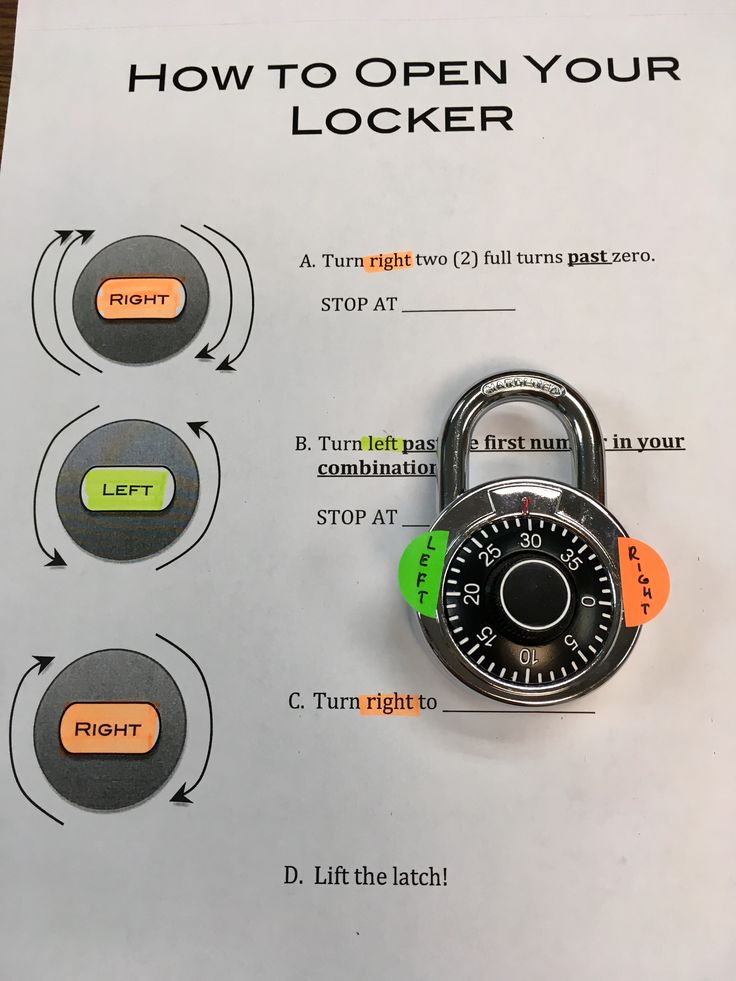
School Locker Lock Instructions: Step-by-Step Guide
Learning how to use a school locker lock correctly can save you time and stress during a busy day. These sturdy metal storage units line the hallways of most...