Delving into The Beatles The Finest Songs, this introduction immerses readers in a singular and compelling narrative that explores the band’s most iconic harmonies, artful bass strains, modern guitar mixtures, evolving vocal types, groundbreaking experimentation, and socially acutely aware lyrics. From their uncooked power to their polished sound, The Beatles’ music has left an indelible mark on the world of music.
The content material of this matter delves into the guts of what makes The Beatles’ songs really timeless, from the distinctive harmonies that outlined their sound to the artistic experimentation that pushed the boundaries of rock music.
The Beatles’ Most Iconic Harmonies Discover how the Beatles’ signature harmonies contributed to their distinctive sound and enduring attraction.
The Beatles’ harmonies are broadly thought to be one of the distinctive and influential points of their music. Their distinctive vocal mix, which featured intricate harmonies and vocal interaction between John, Paul, George, and typically Ringo, set them aside from different rock bands of the Nineteen Sixties. Their harmonies added depth, texture, and emotion to their songs, and helped to create a timeless sound that continues to encourage and affect musicians to today.
The Beatles’ harmonies advanced over the course of their profession, reflecting the varied musical types and influences that formed their sound. Their early work, corresponding to “Love Me Do” and “From Me to You,” showcased their Merseybeat roots, with tight, shut harmonies that added a vibrant, upbeat really feel to their songs. As they experimented with new sounds and types, their harmonies turned extra complicated and nuanced, incorporating components of Jap music, psychedelia, and classical music.
5 Notable Situations of the Beatles’ Harmonies
The Beatles’ harmonies have been a key aspect of a lot of their most beloved songs, and listed here are 5 notable examples:
- “As a result of” (from the album Abbey Street, 1969) options intricate, layered harmonies that showcase the band’s skill to create complicated vocal textures. The music’s harmonies are constructed round three-part harmonies, with John, Paul, and George singing separate strains that mix collectively to create a wealthy, immersive sound.
- “A Day within the Life” (from the album Sgt. Pepper’s Lonely Hearts Membership Band, 1967) is a main instance of the Beatles’ use of harmonies to create a way of drama and pressure. The music’s well-known opening part incorporates a haunting, wordless vocal line sung by John and George, which provides a way of eeriness and foreboding to the music.
- “Golden Slumbers” (from the album Abbey Street, 1969) options one of the lovely and haunting vocal performances of the Beatles’ profession. The music’s harmonies are constructed round a easy, repetitive melody that showcases the band’s skill to create a way of intimacy and vulnerability.
- “Hey Jude” (from the album Hey Jude, 1968) is without doubt one of the Beatles’ most beloved songs, and its harmonies are a key aspect of its enduring attraction. The music’s well-known “na-na-na” chorus incorporates a hovering, three-part concord that showcases the band’s skill to create a way of exuberance and pleasure.
- “Eight Days a Week” (from the album Beatles for Sale, 1964) options one of the fascinating examples of the Beatles’ use of harmonies to create a way of pressure and launch. The music’s harmonies are constructed round a easy, repetitive melody that showcases the band’s skill to create a way of urgency and pleasure.
The Beatles’ harmonies continued to evolve all through their profession, reflecting their rising experimentation with new sounds and types. As they moved from the Merseybeat period to the psychedelic period, their harmonies turned extra complicated and nuanced, incorporating components of Jap music, classical music, and avant-garde sounds. Their harmonies stay one of the distinctive and influential points of their music, and proceed to encourage and affect musicians to today.
Crafting Unforgettable Bass Strains: Analyze the Bass Taking part in Expertise of George Harrison and Paul McCartney
Each George Harrison and Paul McCartney weren’t solely achieved guitarists but additionally expert bass gamers who considerably contributed to the Beatles’ sound. Their bass strains added an additional layer of complexity and depth to the band’s music, usually elevating the songs to new heights.
The bass strains performed by George Harrison and Paul McCartney within the Beatles’ songs have been usually extra melodic than the primary guitar or vocal melody. They might incessantly play counterpoint harmonies and even the bass strains would typically tackle a lifetime of their very own, creating a singular sonic panorama that added to the music’s total temper and environment.
George Harrison’s Melodic Bass Strains
George Harrison’s bass strains have been usually extra subdued and melodic in comparison with Paul’s. This was partly as a result of Ringo Starr’s extra distinguished drumming model, which left house for Harrison to create extra intricate and melodic bass strains.
Harrison’s bass strains may be heard in songs like “Whereas My Guitar Gently Weeps” and “I Want You”. In “Whereas My Guitar Gently Weeps”, Harrison performs a hauntingly lovely bass line that enhances the music’s poignant lyrics and Eric Clapton’s guitar solo.
Paul McCartney’s Versatile Bass Strains
Paul McCartney’s bass strains have been usually extra energetic and driving in comparison with Harrison’s. This was partly as a result of McCartney’s background in classical music, which taught him the significance of dynamic expression and distinction in music.
McCartney’s bass strains may be heard in songs like “Come Collectively” and “Hey Jude”. In “Come Collectively”, McCartney performs a driving and repetitive bass line that propels the music’s energetic vibe. In “Hey Jude”, McCartney’s bass line is extra subdued and melodic, including to the music’s hovering vocals and sing-along refrain.
Bass Strains as Counterpoint
Each Harrison and McCartney incessantly used their bass strains as counterpoint to the primary guitar or vocal melody. This created a way of pressure and launch that added to the music’s total dynamics and emotional influence.
One instance of counterpoint bass strains is within the music “I Need to Maintain Your Hand”. On this music, McCartney performs a bouncy and upbeat bass line that enhances the music’s catchy vocals and guitar riffs. Nonetheless, because the music progresses, Harrison begins to play a counterpoint bass line that provides a way of pressure and launch to the music’s climax.
Bass Strains as Melodic Focus
In some circumstances, the bass line turned the melodic focus of the music. This was usually because of the band’s use of harmonium or organ, which created a wealthy and layered sound that emphasised the bass line.
One instance of that is within the music “Penny Lane”. On this music, McCartney performs a distinguished and melodic bass line that turns into the point of interest of the music. Using harmonium and organ creates a vibrant and cheerful sound that enhances McCartney’s bass line, creating a way of pleasure and enthusiasm.
Vocal Fashion Evolution: Focus on the transformation of the Beatles’ vocal model from early uncooked power to later polish.: Beatles The Finest Songs
The Beatles’ vocal model underwent a major transformation all through their profession, evolving from a uncooked, energetic sound of their early years to a extra polished, refined sound of their later recordings. This transformation was influenced by the person types and personalities of John Lennon, Paul McCartney, George Harrison, and Ringo Starr.
Early Uncooked Sound vs. Later Refined Sound
The Beatles’ early sound, evident of their first few albums, was characterised by a uncooked, energetic high quality. Their vocal harmonies have been usually tough and unpolished, with a deal with uncooked emotion and energetic efficiency. In distinction, their later sound, as seen in albums corresponding to Sgt. Pepper’s Lonely Hearts Membership Band and Abbey Street, was extremely refined and polished, with a deal with refined harmonies and complicated vocal preparations.
John Lennon’s Vocal Evolution, Beatles the very best songs
John Lennon’s vocal model underwent vital modifications all through the Beatles’ profession. Within the early years, his voice was characterised by a tough, nasal high quality, which added to the band’s uncooked sound. Because the Beatles matured, Lennon’s voice turned smoother and extra polished, with a larger emphasis on expression and emotional depth.
Paul McCartney’s Vocal Evolution
Paul McCartney’s vocal model was maybe probably the most constant all through the Beatles’ profession, nevertheless it additionally underwent vital modifications. His early sound was characterised by a vibrant, cheerful high quality, which suited the band’s early sound. Because the Beatles matured, McCartney’s voice turned extra nuanced and delicate, with a larger emphasis on expression and emotional depth.
George Harrison’s Vocal Evolution
George Harrison’s vocal model was at all times distinct from that of Lennon and McCartney, with a extra laid-back, introspective high quality. His early sound was characterised by a tough, raspy voice, which added to the band’s uncooked sound. Because the Beatles matured, Harrison’s voice turned smoother and extra polished, with a larger emphasis on expression and emotional depth.
Ringo Starr’s Vocal Evolution
Ringo Starr’s vocal model was at all times comparatively delicate all through the Beatles’ profession, with a deal with offering a gradual beat and rhythm. Nonetheless, his voice underwent vital modifications, from a vibrant, cheerful high quality within the early years to a extra nuanced and delicate sound within the later years.
Influence of File Manufacturing on Vocal Fashion
The Beatles’ vocal model was additionally influenced by the document manufacturing strategies of the time. Within the early years, the band’s sound was usually marred by poor-quality recordings and over-compression. Because the Beatles matured, they labored with more and more refined producers, corresponding to George Martin, who helped to shine their sound and refine their vocal harmonies.
Vocal Evolution in Later Years
The Beatles’ vocal evolution continued all through their later years, with a larger emphasis on sophistication and refinement. Their later sound, as seen in albums corresponding to Abbey Street and Let It Be, was extremely polished and nuanced, with intricate vocal preparations and a deal with emotional depth.
Lyrical Concentrate on Social Commentary Spotlight the Beatles’ use of music lyrics to convey social commentary, particularly within the Nineteen Sixties.
The Beatles’ music performed a major function in reflecting the social and cultural upheavals of the Nineteen Sixties. Their music lyrics usually tackled urgent problems with the time, corresponding to peace, love, and social inequality. By their music, they managed to attach with a large viewers and spark conversations in regards to the world round them. This part will discover the Beatles’ use of social commentary of their lyrics and spotlight a few of their most notable songs addressing these points.
The Beatles’ music was a mirrored image of the occasions during which they lived. Their lyrics usually grappled with the complexities of contemporary life, from the struggles of on a regular basis individuals to the politics of the time. Songs like “Revolution” and “All You Want is Love” showcased their dedication to social change and their need to encourage their viewers to take motion. These songs not solely mirrored the occasions but additionally helped form the cultural narrative of the Nineteen Sixties.
Confronting Warfare and Violence
The Beatles’ music usually tackled the cruel realities of struggle and violence. Songs like “Piggies,” from the White Album, provided a scathing critique of the Vietnam Warfare and the harmful tendencies of contemporary society. Equally, “Revolution” urged listeners to take motion in opposition to injustice and problem the established order. These songs reveal the Beatles’ willingness to confront troublesome matters and encourage their viewers to assume critically in regards to the world round them.
- “Piggies” (The White Album, 1968) – A scathing critique of the Vietnam Warfare and the harmful tendencies of contemporary society.
- “Revolution” (Revolution, 1968) – A name to motion in opposition to injustice and a problem to the established order.
- “Again in the united statesS.R.” (The White Album, 1968) – A music that critiques the authoritarianism of Soviet-style communism and the stifling of particular person freedom.
These songs not solely mirrored the turmoil of the occasions but additionally provided a way of hope and resistance. By participating with these points, the Beatles demonstrated their dedication to artistic expression and their willingness to problem the norms of their time. Because of this, their music continues to resonate with audiences right now, serving as a strong reminder of the significance of social commentary and the influence that music can have on the world.
Because the Beatles’ music continues to evolve and adapt to the altering occasions, their dedication to social commentary stays a testomony to their enduring legacy. Their music continues to encourage new generations of artists and followers, providing a strong reminder of the significance of creativity, activism, and social duty.
Celebrating the Counterculture
The Beatles’ music additionally celebrated the counterculture motion of the Nineteen Sixties, with songs like “Lucy within the Sky with Diamonds” and “Tomorrow By no means Is aware of” exploring themes of psychedelic expertise and religious exploration. These songs have been a key a part of the Beatles’ psychedelic sound, which mirrored the period’s fascination with Jap spirituality and the limitless potentialities of the human thoughts.
- “Lucy within the Sky with Diamonds” (Sgt. Pepper’s Lonely Hearts Membership Band, 1967) – A music that celebrates the surreal and the absurd, reflecting the period’s fascination with psychedelic expertise.
- “Tomorrow By no means Is aware of” (Revolver, 1966) – A music that explores themes of reincarnation and religious exploration, reflecting the period’s curiosity in Jap spirituality.
- “A Day within the Life” (Sgt. Pepper’s Lonely Hearts Membership Band, 1967) – A music that meditates on the fleeting nature of life and the ability of music to transcend the boundaries of time and house.
These songs not solely mirrored the period’s fascination with psychedelia but additionally provided a way of marvel and awe. By exploring the frontiers of the human expertise, the Beatles demonstrated their dedication to artistic expression and their willingness to push the boundaries of what was doable in music.
Affect on Subsequent Artists: Focus on how the Beatles’ music impressed later generations of artists in varied genres.
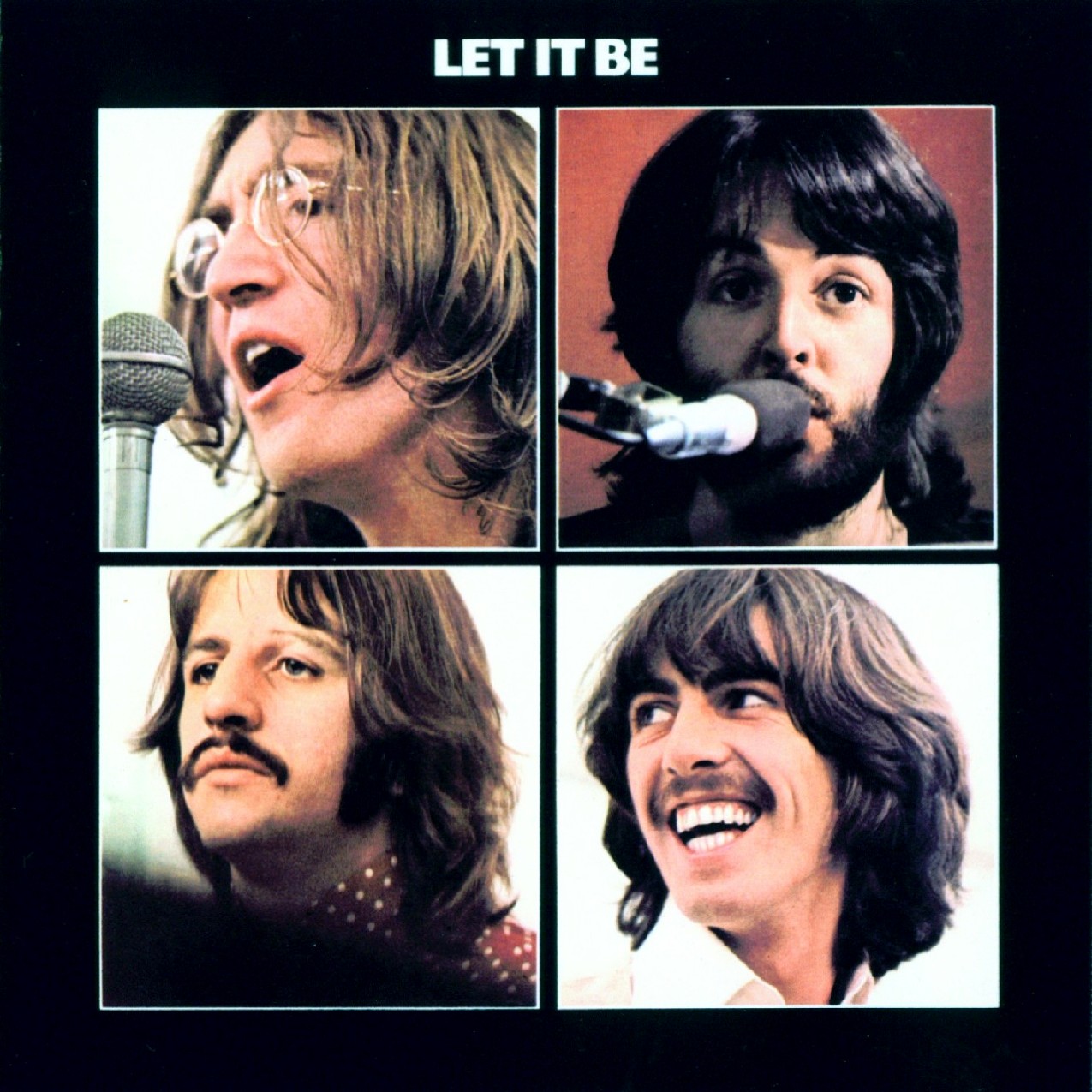
The Beatles’ influence on the music business extends far past their very own time. Their modern sound, catchy melodies, and thought-provoking lyrics have impressed numerous artists throughout completely different genres, eras, and types.
Rock and Pop Influences
The Beatles’ rock and pop sound paved the best way for a lot of well-known musicians who adopted of their footsteps. Bands like Oasis, Foo Fighters, and Weezer have all cited the Beatles as a significant affect on their music. For instance:
| Band/Artist | Fashion/Style | Notable Affect |
|---|---|---|
| Oasis | Rock/Pop | The Beatles’ uncooked power and songwriting abilities, evident in songs like “Hey Jude” and “Let It Be.” |
| Foos Fighters | Rock/Heavy Metallic | The Beatles’ modern guitar work and experimental method to sound, seen in songs like “A Day within the Life” and “I Need to Maintain Your Hand.” |
| Weezer | Rock/Pop | The Beatles’ catchy melodies, harmonies, and introspective songwriting, showcased in songs like “Yesterday” and “Right here Comes the Solar.” |
Indie and Folks Influences
The Beatles’ eclectic sound and exploration of assorted music types have additionally influenced the indie and people genres. Artists like Bon Iver, Fleet Foxes, and Mumford & Sons have all been impressed by the Beatles’ experimentation and acoustic-driven soundscapes. As an example:
- Bon Iver’s introspective, harmonically-rich sound owes a debt to the Beatles’ introspective songwriting and harmonies.
- Fleet Foxes’ anthemic, harmony-driven sound is paying homage to the Beatles’ traditional cuts like “As a result of” and “Tomorrow By no means Is aware of.”
- Mumford & Sons’ folk-infused rock sound attracts inspiration from the Beatles’ acoustic-driven songs like “I will Cry As a substitute” and “You Cannot Do That.”
Digital and Experimental Influences
The Beatles’ experimental method to sound and their use of digital devices have influenced the event of digital and experimental music. Artists like Radiohead, The Chemical Brothers, and Aphex Twin have all been influenced by the Beatles’ modern use of know-how and sound manipulation. For instance:
- Radiohead’s electronic-infused rock sound attracts inspiration from the Beatles’ groundbreaking use of tape loops and digital percussion in songs like “Tomorrow By no means Is aware of” and “Revolution 9.”
- The Chemical Brothers’ energetic, dance-oriented sound owes a debt to the Beatles’ experimental method to rhythm and tempo, as seen in songs like “Tomorrow By no means Is aware of” and “The Finish.”
- Aphex Twin’s eclectic, digital sound is paying homage to the Beatles’ use of unconventional sounds and instrumental textures, heard in songs like “I Am the Walrus” and “Lucy within the Sky with Diamonds.”
Closing Notes
The Beatles’ affect on subsequent artists is a testomony to their enduring attraction, with their songs and types persevering with to encourage generations of musicians throughout completely different genres. Their music stays a strong drive in shaping the sound of standard music, and their legacy continues to captivate audiences world wide.
Well-liked Questions
What have been the important thing components that contributed to The Beatles’ distinctive sound?
The Beatles’ distinctive sound was largely as a result of their distinctive mix of melodic sensibilities, modern manufacturing strategies, and a willingness to experiment with new sounds and types.
Which Beatles member is credited with arising with the concept for the band’s iconic harmonies?
John Lennon and Paul McCartney are sometimes credited with arising with the concept for the band’s iconic harmonies, which turned an indicator of The Beatles’ sound.
How did The Beatles’ use of orchestral and choral preparations improve their music?
Orchestral and choral preparations added a brand new stage of sophistication and depth to The Beatles’ music, elevating their sound to new heights and cementing their legacy as one of the modern and groundbreaking bands of all time.
What function did The Beatles’ music play in shaping the cultural and social upheavals of the Nineteen Sixties?
The Beatles’ music performed a major function in shaping the cultural and social upheavals of the Nineteen Sixties, their socially acutely aware lyrics and iconic songs offering a soundtrack for a technology of younger individuals looking for change and rise up.

