As greatest taste of wine takes heart stage, this opening passage beckons readers right into a world crafted with good information, making certain a studying expertise that’s each absorbing and distinctly authentic. The subject of wine has advanced considerably over the previous twenty years, pushed by shifts in client preferences, world local weather change, and improvements in winemaking strategies.
Wine fans all over the world have distinct cultural traditions and delicacies that form their particular person tastes. Advertising campaigns usually cater to regional preferences, resulting in the creation of distinctive and native flavors.
Science Behind the Finest Taste of Wine
The advanced taste profile of wine is a results of varied elements involving the chemical composition of grapes, fermentation, growing old, and fining processes. Every of those steps contributes to the ultimate taste of the wine, making it an enchanting journey for wine fans to grasp.
The Chemical Composition of Grapes
The flavour of wine is basically influenced by the chemical composition of the grapes utilized in its manufacturing. The principle elements of grapes embody sugars, acids, and tannins. Sugars present the sweetness, acids contribute to the tartness, and tannins give the wine its astringent properties. The ratio of those elements can fluctuate relying on the grape selection, local weather, and soil situations.
- Sugars: The first sugar in grapes is glucose, which is transformed into ethanol throughout fermentation. A better sugar content material in grapes sometimes leads to a sweeter wine.
- Acids: Tartaric acid, malic acid, and citric acid are the principle acids present in grapes. These acids contribute to the acidity of the wine and may affect its taste profile.
- Tannins: Tannins are a kind of polyphenol present in grape skins, seeds, and stems. They supply astringency and may contribute to the wine’s bitterness and complexity.
The Position of Fermentation
Fermentation is an important step in wine manufacturing, the place yeast converts the sugars from the grapes into ethanol and carbon dioxide. The kind of yeast used and the fermentation temperature can considerably influence the ultimate taste of the wine. In crimson wine manufacturing, maceration is commonly used to extract extra tannins and anthocyanins from the grape skins, contributing to the wine’s coloration, taste, and complexity.
The Growing old Course of
The growing old course of permits the wine to mature and develop its taste profile. Throughout this era, the wine undergoes a sequence of chemical reactions that may contribute to the event of latest flavors and aromas. The kind of bottle used for growing old may also influence the ultimate taste of the wine, with oak barrels imparting a definite taste profile in comparison with chrome steel or concrete vessels.
Fining Processes
Fining processes contain the removing of impurities and sediment from the wine, leading to a clearer and extra refined product. The kind of fining agent used can affect the ultimate taste of the wine, with brokers like bentonite and egg whites usually used to take away heavy metals and proteins.
The Artwork of Wine Pairing and The way it Influences the Finest Taste of Wine
Wine pairing is an artwork that requires a deep understanding of the flavors, textures, and aromas current in each the wine and the dish. When executed properly, wine pairing can elevate the general taste expertise, making a harmonious stability of tastes and sensations that delight the palate. As wine fans, we perceive that the perfect taste of wine is not only concerning the wine itself, but in addition about how it’s paired with meals.
Relating to wine pairing, skilled sommeliers and wine fans make use of varied strategies to attain the right match. A few of these strategies embody:
Matching Wine Types with Dishes
In wine pairing, matching wine types with dishes is a traditional method. This includes pairing wealthy and daring wines with equally wealthy and daring flavors, and delicate and crisp wines with gentle and refreshing flavors. For instance, a full-bodied Cabernet Sauvignon is commonly paired with a young and flavorful steak, whereas a crisp and citrusy Sauvignon Blanc is paired with a light-weight and delicate seafood dish.
When completed appropriately, this methodology creates an ideal concord between the wine and the dish, with every complementing the opposite’s flavors and textures. Nonetheless, this methodology could be difficult when coping with advanced and trendy dishes, because the wine might wrestle to maintain up with the intricate flavors and textures.
Contemplating the Taste Profiles of Dishes
One other method to wine pairing is to contemplate the flavour profiles of the dishes being served. This includes analyzing the assorted elements of the dish, reminiscent of candy, bitter, salty, and umami flavors, and deciding on a wine that enhances or contrasts with these flavors. As an example, a dish with a candy and spicy taste profile could also be paired with a wine that has a balanced acidity and a touch of sweetness.
This methodology permits for a excessive diploma of flexibility when pairing wine with trendy and non-traditional dishes, because it focuses on the person elements of the dish reasonably than the dish as an entire. Nonetheless, it requires a deep understanding of taste profiles and a eager sense of style.
Understanding the Position of Acidity in Wine Pairing
Acidity performs an important position in wine pairing, because it helps to chop via wealthy and fatty flavors and stability candy and savory flavors. When pairing wine with dishes, it’s important to contemplate the acidity stage of the wine and regulate it to go well with the flavour profile of the dish.
For instance, a dish with a excessive acidity stage, reminiscent of a citrusy and zesty salad, could also be paired with a wine that has a excessive acidity stage, reminiscent of a crisp and refreshing Sauvignon Blanc. Alternatively, a dish with a low acidity stage, reminiscent of a wealthy and creamy pasta dish, could also be paired with a wine that has a decrease acidity stage, reminiscent of a easy and approachable Chardonnay.
Pairing Wine with Fashionable and Non-Conventional Dishes
Pairing wine with trendy and non-traditional dishes generally is a difficult job, as these dishes usually push the boundaries of conventional taste profiles and culinary strategies. Nonetheless, by understanding the flavour profiles of the dishes and contemplating the acidity stage of the wine, wine consultants can create progressive and harmonious pairings that delight the palate.
As an example, a dish with a taste profile that mixes candy and spicy flavors, reminiscent of Korean BBQ, could also be paired with a wine that has a balanced acidity and a touch of sweetness, reminiscent of a German Riesling. Equally, a dish with a taste profile that mixes wealthy and savory flavors, reminiscent of risotto with truffles, could also be paired with a wine that has a excessive acidity stage, reminiscent of a crisp and refreshing Pinot Grigio.
The Evolving Nature of Wine Pairing
Wine pairing is a consistently evolving artwork, as new and progressive dishes emerge, and wine types and developments shift. As wine fans, we should be prepared to adapt and experiment, attempting new pairings and strategies to maintain up with the ever-changing culinary panorama.
In conclusion, the artwork of wine pairing is a fragile stability of flavors, textures, and aromas that requires endurance, creativity, and follow to grasp. By understanding the assorted strategies and strategies concerned in wine pairing, wine fans can elevate the general taste expertise, creating harmonious and scrumptious pairings that delight the palate.
Pairing wine with trendy and non-traditional dishes requires a deep understanding of taste profiles and a eager sense of style. It’s an artwork that requires endurance, creativity, and follow to grasp.
The Affect of Wine Manufacturing Strategies on the Finest Taste of Wine
Relating to wine, the time period “greatest taste” could be subjective. Nonetheless, the strategies utilized in wine manufacturing can considerably influence the style and high quality of the ultimate product. On this article, we’ll discover how completely different manufacturing strategies can have an effect on the flavour of wine and spotlight the advantages and disadvantages of every method.
Natural vs. Biodynamic vs. Typical Strategies
One of the crucial notable variations between wine manufacturing strategies is the usage of artificial chemical compounds and pesticides. Natural wines, for instance, are grown utilizing pure strategies that exclude the usage of artificial fertilizers, pesticides, and genetically modified organisms (GMOs). Biodynamic wines, alternatively, are produced utilizing a holistic method that takes into consideration the lunar cycles and the pure ecosystem of the winery. Typical wines, also referred to as conventional wines, are produced utilizing a mixture of artificial chemical compounds and traditional farming practices.
| Manufacturing Technique | Description | Advantages | |
|---|---|---|---|
| Natural | Makes use of pure strategies to provide wines, excluding artificial fertilizers, pesticides, and GMOs | No artificial chemical compounds, promotes sustainability and biodiversity | Greater manufacturing prices, potential yield and high quality variability |
| Biodynamic | Makes use of a holistic method that takes into consideration the lunar cycles and pure ecosystem of the winery | Improved soil well being, biodiversity and ecosystem stability | Greater manufacturing prices, requires specialised information and gear |
| Typical | Makes use of a mixture of artificial chemical compounds and traditional farming practices | Greater yields and sooner manufacturing instances | Potential detrimental influence on the atmosphere and human well being |
The Position of Native Rules and Certification Applications
Native laws and certification applications play an important position in influencing wine manufacturing practices. For instance, some areas might have strict laws concerning the usage of artificial chemical compounds, whereas others might have applications that promote sustainable and natural farming practices.
The European Union’s natural labeling regulation is an instance of a certification program that promotes sustainable and natural farming practices.
Instance of a Wine that Highlights the Distinction between Natural, Biodynamic, and Typical Strategies
A notable instance of a wine that showcases the distinction between natural, biodynamic, and traditional strategies is the Chateau Margaux wine from Bordeaux, France. This wine is produced utilizing a mixture of natural and biodynamic strategies and has obtained widespread popularity of its distinctive high quality and taste.
The wine’s taste profile is characterised by a wealthy, full-bodied texture and flavors of darkish fruit, spice, and refined oak notes. That is in distinction to standard wines from the identical area, which can have a extra strong and aggressive taste profile on account of the usage of artificial chemical compounds and traditional farming practices.
Advantages and Drawbacks of Utilizing Numerous Manufacturing Strategies, Finest taste of wine
When contemplating the usage of varied manufacturing strategies, it’s important to weigh the advantages and disadvantages of every method. For instance, natural wines might have greater manufacturing prices and potential yield and high quality variability, however additionally they promote sustainability and biodiversity.
Biodynamic wines, alternatively, might require specialised information and gear and have greater manufacturing prices, however additionally they promote improved soil well being, biodiversity, and ecosystem stability.
Typical wines, whereas having greater yields and sooner manufacturing instances, might have a possible detrimental influence on the atmosphere and human well being on account of the usage of artificial chemical compounds.
In conclusion, the manufacturing strategies utilized in wine manufacturing can considerably influence the style and high quality of the ultimate product. By understanding the advantages and disadvantages of assorted manufacturing strategies and the position of native laws and certification applications, wine producers could make knowledgeable choices that promote sustainability and biodiversity whereas producing high-quality wines.
From Fruitful Varieties to Finest Taste of Wine: The Story of Terroir
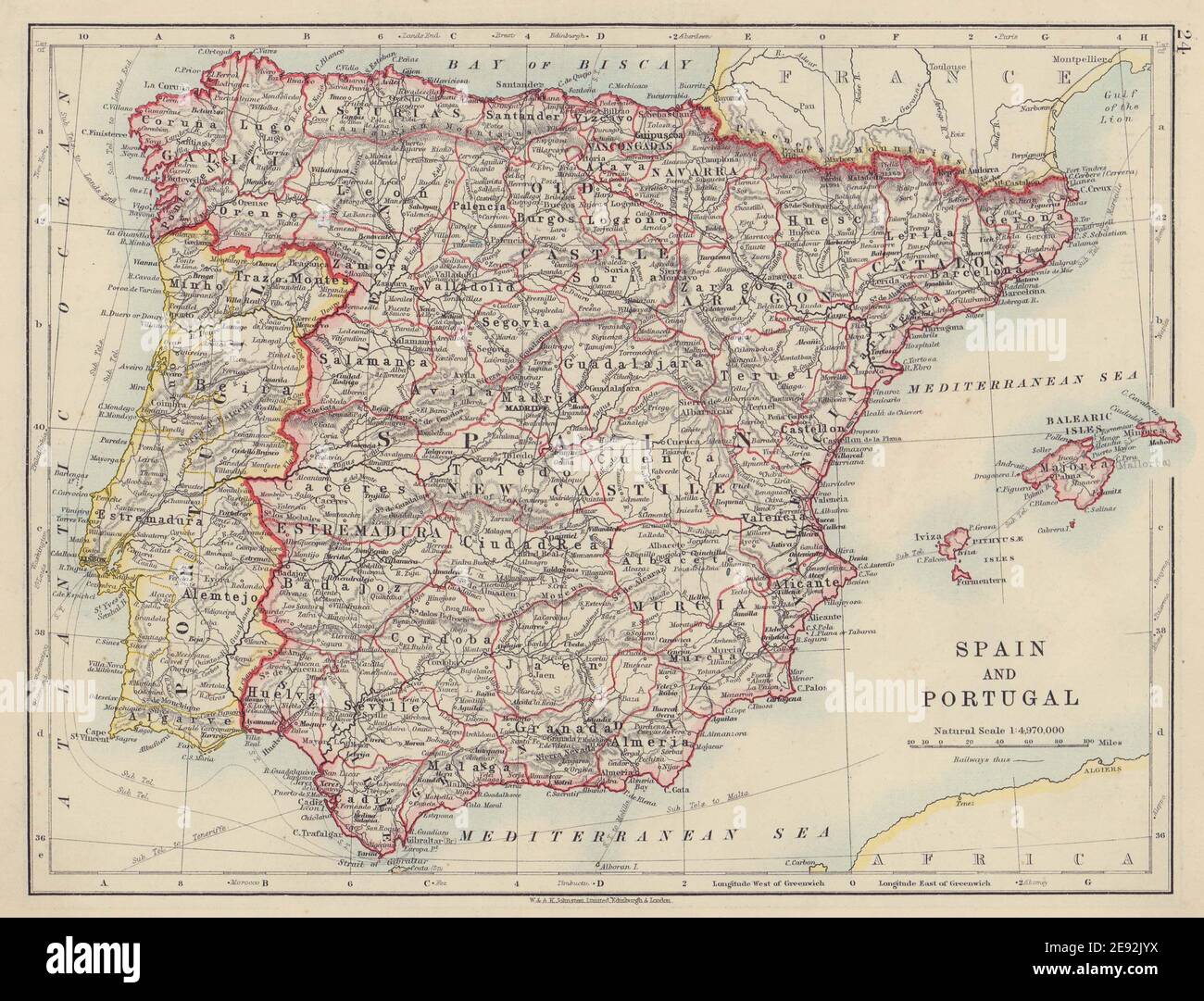
Terroir, a French time period, refers back to the distinctive mixture of environmental and human elements that contribute to the distinct taste profile of a wine. This idea is essential in understanding the variety of wines from completely different areas, because it takes into consideration the soil, local weather, topography, and winemaking traditions of a particular space. By exploring the idea of terroir, wine fans can admire the nuances of assorted wine types and achieve a deeper understanding of the winemaking course of.
The Significance of Terroir in Wine Manufacturing
Terroir impacts each step of the winemaking course of, from grape cultivation to fermentation. It’s accountable for the distinctive taste traits that set a selected wine other than others. The next examples illustrate the varied terroirs of various areas and the influence they’ve on wine manufacturing.
- Chardonnay in Burgundy: Burgundy’s cool local weather and limestone soils contribute to a crisp acidity in Chardonnay. The area’s distinctive winemaking traditions, together with the usage of oak barrels, add a wealthy, buttery taste to the wine.
- Pinot Noir in Oregon: Oregon’s Willamette Valley has the same local weather to Burgundy. The area’s soils, nevertheless, are sometimes composed of volcanic and sedimentary rocks, which impart a definite minerality to Pinot Noir. The cool local weather slows down ripening, leading to wines with excessive acidity and crimson fruit flavors.
- Tempranillo in Rioja: Rioja’s heat local weather and gravelly soils produce full-bodied Tempranillo wines with wealthy, leathery flavors. The area’s winemaking traditions, together with growing old in American oak, add a refined vanilla taste to the wine.
The idea of terroir isn’t restricted to a particular grape selection. Completely different grape varieties thrive in distinct terroirs, and their distinctive traits replicate the native situations. For instance, Sauvignon Blanc excels in areas with a cool, maritime local weather and limestone soils, such because the Loire Valley in France or Marlborough in New Zealand.
The influence of terroir on wine traits is multifaceted:
* Local weather: Heat temperatures can result in ripe, fruit-forward wines, whereas cool temperatures decelerate ripening, leading to acidic, tart wines.
* Soil: Completely different soils impart distinct mineral flavors to wine, such because the iron content material in soils close to the Mediterranean Sea or the silica content material in volcanic soils.
* Topography: Elevations and slopes have an effect on daylight publicity, grape yields, and water retention, in the end influencing the flavour profile of the wine.
* Human elements: Winemaking traditions, reminiscent of viticulture practices and growing old strategies, may also influence the ultimate product.
Every terroir area gives a novel alternative for winemakers to craft distinctive wines. By understanding the advanced interaction of environmental and human elements, wine fans can higher admire the nuances of assorted wine types and discover the varied world of terroir-driven wines.
Remaining Wrap-Up
In conclusion, the perfect taste of wine is a mirrored image of the varied influences and improvements on this planet of wine. From the evolution of flavors to the science behind the right pairings, the world of wine is a wealthy and sophisticated topic that continues to captivate and encourage us.
Useful Solutions: Finest Taste Of Wine
What’s the influence of world local weather change on wine manufacturing?
International local weather change has led to hotter temperatures, altering the flavour profiles of wines and guaranteeing areas unsuitable for grape manufacturing.
How do cultural traditions affect particular person tastes?
Cultural traditions and delicacies play a major position in shaping our particular person tastes, as sure flavors and aromas are related to regional culinary practices.
What are the advantages of utilizing biodynamic winemaking strategies?
Biodynamic winemaking strategies promote a balanced ecosystem, leading to extra advanced and distinctive taste profiles.

