10 Creative Best Recycling DIY Projects To Upcycle Trash Today
DIY recycling projects transform everyday household waste into stylish, functional items while reducing landfill burden and sparking creativity. These best recycling DIY ideas empower you to take control of your environmental impact without sacrificing style or budget. By reimagining discarded materials, you cultivate a hands-on understanding of resource value and circular design.
Instead of viewing empty containers and packaging as trash, each project invites you to see hidden potential in overlooked objects. This hands-on approach not only diverts waste from bins but also builds practical skills that make sustainable living feel accessible and rewarding. With a little imagination, ordinary items become organizers, decor, and gifts that carry personal meaning.
Upcycling Household Items
Upcycling turns simple household discards into statement pieces that add personality to your space while extending the life of materials. Unlike basic recycling, upcycling retains the original form but enhances its function or aesthetic, making it a popular choice for eco-conscious creators. From jars to furniture, the possibilities are limited only by your curiosity and patience.


This approach reduces the demand for new products, cutting down on energy use and raw material extraction in the process. You get unique, one-of-a-kind pieces that reflect your creativity and commitment to sustainability. Each project becomes a small act of environmental stewardship that also sharpens your problem-solving abilities.
Glass Jar Organizers
Thoroughly cleaned jars from sauces, spices, and snacks can be reborn as chic storage solutions for kitchen tools, craft supplies, or bathroom essentials. A fresh coat of paint, a wrap of twine, or a label collage can completely change their character, turning mundane containers into tidy, attractive companions. Grouping different sizes adds visual interest while keeping similar items together for effortless access.


Adding dividers made from cardboard or thin wood turns jars into modular systems for buttons, beads, or spices. You can even layer colors or heights on a shelf to create a personalized display that signals your commitment to reuse. This simple habit keeps single-use glass out of recycling streams while giving you intuitive organization at home.
Furniture Refresh
Instead of discarding a wobbly chair or dented side table, consider sanding, repairing, and refinishing to give it new life. Milk paint, natural oils, and low-VOC finishes can completely transform the look while maintaining a lower environmental footprint than buying new. Adding repurposed fabric from old garments or linens can upholster seats and drawers with distinctive character.
These projects reinforce the value of craftsmanship and durability, reminding you that well cared for objects can outlast trends. Repairing joints, replacing worn hardware, and improving stability also build hands-on skills that serve you far beyond one makeover. Each refreshed piece keeps useful materials in your home and out of the waste stream.


Creative Paper and Cardboard Projects
Paper and cardboard are abundant, easy to work with, and surprisingly versatile when you apply a bit of planning and glue. By treating these materials as a creative medium rather than temporary packaging, you reduce the volume of waste headed to recycling bins. The best recycling DIY ideas for paper and cardboard often blur the line between art, organization, and decor.
With basic cutting, folding, and layering techniques, you can build storage solutions, playful accessories, and gifts that showcase your personal style. These projects are often beginner friendly yet endlessly customizable, making them perfect for families or solo makers looking for a satisfying weekend activity. The tactile nature of paper also encourages slow, focused creativity.
Cardboard Storage Solutions
Sturdy boxes from cereal, electronics, or shipping can be sliced, layered, and reconfigured into compact storage units for shelves, desks, or closets. Covering surfaces with decorative paper or fabric unifies the look while reinforcing the structure for everyday use. Modular designs let you expand or reconfigure the system as your storage needs evolve.


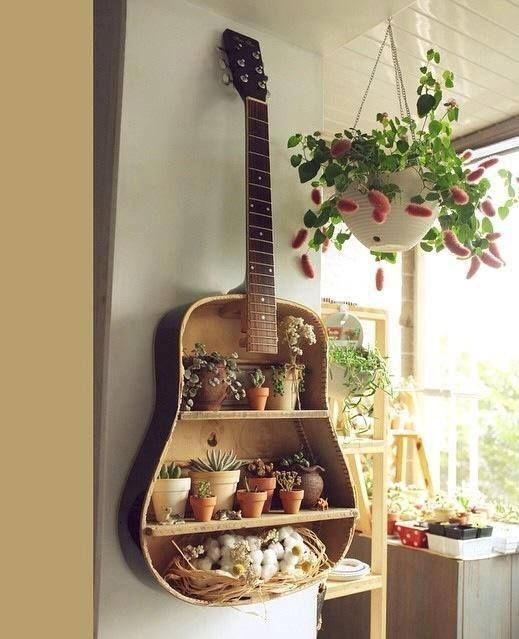


Adding dividers and labels turns these units into efficient organizers for office supplies, toys, or pantry items. The process of measuring, cutting, and assembling also sharpens spatial reasoning and precision. You end up with functional, low-cost storage that demonstrates how thoughtful design can extend the utility of everyday packaging.
Art and Gifting Ideas
Old magazines, junk mail, and gift wrap can be rolled, folded, or shredded to create mosaics, collages, and intricate paper sculptures. These artworks make heartfelt, zero-cost presents that show deep consideration for the recipient’s tastes and values. Framed pieces or decorated frames themselves can become standout wall accents in any room.
Experimenting with textures, colors, and patterns helps you refine an eye for composition while keeping waste out of landfills. You might create layered cityscapes from travel maps or abstract floral pieces from colorful catalog pages. Each project reinforces the idea that beauty can emerge from what society often discards.
Fabric and Textile Reuse
Textile waste is a major environmental challenge, but creative sewing and no-sew projects can rescue old garments and linens from the landfill. By recombining fabric into new items, you reduce demand for new textiles and breathe fresh life into pieces that once held different memories. This sphere of best recycling DIY ideas is ideal for expressing style while championing circular use.
From quilts to tote bags, these projects build practical skills and foster mindfulness around consumption. Working with different textures, prints, and weights of fabric also enhances your design intuition. The result is functional art that aligns your daily routines with your values.
Tote Bags and Accessories
Old t-shirts, jeans, and dresses can be transformed into durable tote bags, aprons, or accessories with minimal cutting and stitching. Strong seams and reinforced handles ensure these carriers handle groceries, books, or gym gear with ease. Choosing vibrant prints or contrasting patches adds visual energy while showcasing your resourcefulness.
No-sew versions using fabric glue or strategic knotting can deliver fast results for beginners, while more advanced sewing techniques allow for structured shapes and refined finishes. Each bag becomes a conversation starter that normalizes reuse in everyday contexts.
Quilts and Home Textiles
Scraps of clothing, bed linens, and fabric remnants can be arranged into patchwork quilts that tell a personal story through color and pattern. Binding the edges and adding a light batting turns these textiles into cozy throws or picnic blankets that showcase your care for both craft and planet. The modular nature of patchwork makes it forgiving for makers of every skill level.
You can also create cushion covers, table runners, or rag rugs that bring warmth and texture to your interiors. These projects encourage you to slow down, select materials thoughtfully, and honor the history embedded in each piece. The process turns potential waste into cherished objects that comfort your home and reduce textile waste.
Exploring best recycling DIY projects enriches your daily life by blending creativity with responsibility, turning ordinary materials into meaningful objects that reflect your values and ingenuity. As you continue to experiment and refine your techniques, you contribute to a culture where resourcefulness and care define our relationship with the things we own.
Related Articles

Best Out of Waste Clothes Ideas for School Creative DIY Projects Upcycle Fashion
In the quest for sustainability, our wardrobes often hold untapped potential. With a little creativity and effort, we can transform old, worn-out clothes into...

Recycling Garden Ideas Creative Eco Friendly Upcycle Projects For A Sustainable Backyard
Transforming your garden into a sustainable oasis is not only eco-friendly but also rewarding. Recycling garden ideas can help you create a beautiful, green...

What Can Old Tires Be Turned Into Creative Recycling Ideas and Upcycle Projects
Did you know that old tires, once a symbol of discarded waste, can be transformed into a myriad of innovative and eco-friendly products? With the global tire...

Easy DIY Recycling Projects: Transform Trash into Treasure Today
In today's eco-conscious world, recycling has become a household name. However, not all recycling involves sorting materials into designated bins. There's a...
Recycling Ideas for Schools: Creative Project Inspiration
Recycling is a vital practice that helps conserve natural resources, reduces pollution, and saves energy. Schools, as hubs of young, impressionable minds, are...

Fun Recycling Art Activities For Toddlers Creative Eco Projects
Encourage your little ones to express their creativity while learning the importance of recycling with these engaging art activities designed specifically for...