Delving into finest approach to prepare dinner steak, this introduction immerses readers in a singular and compelling narrative, with a complete information to steak cooking strategies, together with a complete information to steak temperature pointers and the science behind the Maillard response, making it a must-read for each novice and skilled cooks.
The artwork of cooking an ideal steak is a fragile stability of approach, timing, and a focus to element. It requires understanding inside temperatures, selecting the best steak lower, seasoning, and marinading, in addition to mastering varied cooking strategies similar to pan-frying, grilling, and oven-roasting. This information will stroll you thru every step, offering you with the information and confidence to attain excellent outcomes each time.
Mastering the Artwork of Steak Doneness: The Significance of Understanding Inside Temperatures for Optimum Steak Taste and Texture
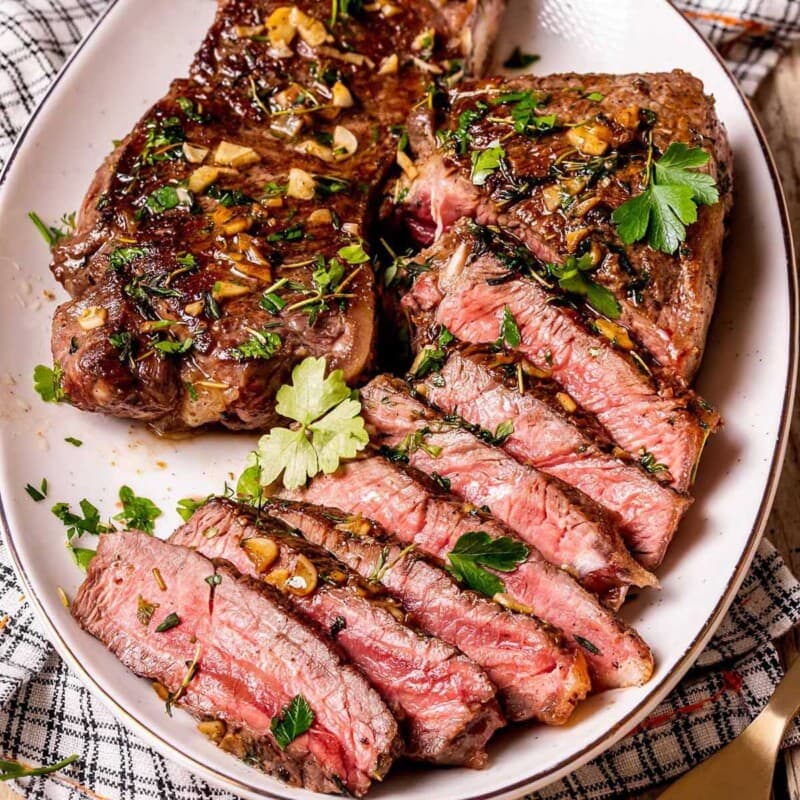
With regards to cooking the right steak, there are numerous components that may make or break the dish. One key factor to think about is the inner temperature of the steak, because it immediately impacts the flavour and texture. A steak that’s cooked to the appropriate temperature will likely be juicy, tender, and stuffed with taste, whereas a steak that’s overcooked will likely be dry and unappetizing.
Steak Temperature Tips
To grasp the artwork of steak doneness, it is important to grasp the varied temperature pointers for various ranges of doneness. This is a complete information that can assist you get began:
–
Uncommon
A uncommon steak is cooked to an inside temperature of 120°F – 130°F (49°C – 54°C). At this temperature, the steak will likely be pink within the heart, with a heat, pink coloration all through. This stage of doneness is finest for many who favor a fragile, tender texture and a wealthy, beefy taste.
–
Medium-Uncommon
A medium-rare steak is cooked to an inside temperature of 130°F – 135°F (54°C – 57°C). This stage of doneness is right for many who need to preserve a little bit of pink within the heart, whereas nonetheless having a young and juicy texture.
–
Medium
A medium steak is cooked to an inside temperature of 140°F – 145°F (60°C – 63°C). At this temperature, the steak will likely be barely firmer than medium-rare, with a touch of pink within the heart.
–
Medium-Effectively
A medium-well steak is cooked to an inside temperature of 150°F – 155°F (66°C – 68°C). This stage of doneness is finest for many who favor a cooked-through steak with a touch of pink, however with out the toughness of a well-done steak.
–
Effectively-Finished
A well-done steak is cooked to an inside temperature of 160°F – 170°F (71°C – 77°C). This stage of doneness is appropriate for many who favor a cooked-through steak with a agency texture and no pink within the heart.
Taste Profiles of Varied Steak Cuts
Completely different steak cuts have distinctive taste profiles, which could be enhanced or diminished relying on the extent of doneness. This is a short overview of the flavour profiles of assorted steak cuts:
–
Ribeye
Ribeye steaks are identified for his or her wealthy, beefy taste and tender texture. They’re finest cooked to medium-rare or medium, as overcooking could make them robust and dry.
–
Filet Mignon
Filet mignon steaks are tender and lean, with a fragile taste. They’re finest cooked to medium-rare or medium, as overcooking could make them robust and dry.
–
Striploin
Striploin steaks are lean and flavorful, with a barely firmer texture than different cuts. They’re finest cooked to medium or medium-well, as overcooking could make them robust.
Correct Inside Temperature Readings
To make sure correct inside temperature readings, comply with these steps:
–
Use a Meat Thermometer
A meat thermometer is probably the most correct approach to measure the inner temperature of a steak. Insert the thermometer into the thickest a part of the steak, avoiding any fats or bone.
–
Insert the Thermometer Appropriately
Insert the thermometer into the steak at an angle, ensuring the tip of the thermometer is in touch with the meat. It will guarantee correct readings.
–
Look ahead to the Thermometer to Stabilize
As soon as the thermometer is inserted, look ahead to a couple of seconds to permit it to stabilize. It will guarantee correct readings.
Selecting the Good Steak Minimize Discusses the traits of ideally suited steak cuts, together with marbling, fats content material, and meat texture.
With regards to cooking the right steak, deciding on the appropriate lower is essential. An excellent steak lower ought to have the appropriate stability of marbling (the intramuscular fats that disperses evenly all through the meat), fats content material, and meat texture to make sure a young, juicy, and flavorful expertise.
Every steak lower has its distinctive traits, benefits, and drawbacks. Understanding these variations will make it easier to select the right steak lower to your subsequent cooking journey.
Variations Between Steak Cuts
Traits of In style Steak Cuts
| Steak Minimize | Marbling Rating | Fats Content material (%) | Meat Texture |
|---|---|---|---|
| Ribeye | 7-9 | 25-30% | Tender and juicy with a wealthy taste |
| Sirloin | 4-6 | 18-22% | Tighter and fewer tender than ribeye, with a leaner taste |
| Filet Mignon | 2-4 | 10-15% | Tender and lean with a gentle taste |
| Flank Steak | 1-2 | 10-15% | Tighter and leaner than different steak cuts, with a daring taste |
In style Steak Cuts and Their Suitability for Varied Cooking Strategies
With regards to cooking, some steak cuts are higher fitted to particular strategies than others. For instance:
* Ribeye: A basic alternative for grilling, pan-searing, or broiling, ribeye is right for reaching a pleasant crust on the surface whereas protecting the within juicy and tender.
* Sirloin: Sirloin is a flexible lower that may be grilled, pan-seared, or cooked in a skillet. It is a fantastic alternative for many who favor a leaner steak with a firmer texture.
* Filet Mignon: With its tender and lean texture, filet mignon is finest fitted to elegant cooking strategies like pan-searing, roasting, or grilling. It is a fantastic alternative for particular events or fantastic eating.
* Flank Steak: Flank steak is a well-liked alternative for marinating and grilling. Its daring taste and lean texture make it excellent for Asian-inspired dishes or fajitas.
In conclusion, selecting the right steak lower is a matter of private choice and the specified cooking methodology. By understanding the variations between widespread steak cuts and their traits, you may be effectively in your approach to cooking the right steak to your subsequent meal.
A Information to Seasoning and Marinades Organizes a listing of really useful seasonings and marinades for steak, together with herbs, spices, and acids.: Greatest Approach To Cook dinner Steak
Seasoning and marinades are important elements of a wonderfully cooked steak. They not solely improve the flavour but in addition contribute to the feel and aroma of the meat. On this part, we’ll delve into the world of seasonings and marinades, exploring the differing types, their results on the steak, and the advantages of incorporating them into your cooking routine.
Distinctive Seasoning Blends for Steak
A well-crafted seasoning mix can elevate the flavour of a steak to new heights. Listed here are 5 distinctive seasoning blends, their components, and preparation strategies:
1. Garlic Herb Crust
– 2 cloves of garlic, minced
– 1 tablespoon chopped recent rosemary
– 1 tablespoon chopped recent thyme
– 1 teaspoon salt
– 1/2 teaspoon black pepper
– 1/4 cup grated Parmesan cheese
Combine the garlic, rosemary, thyme, salt, and pepper in a bowl. Brush the combination onto either side of the steak earlier than cooking.
2. Korean-Type Gochujang Glaze
– 2 tablespoons gochujang (Korean chili paste)
– 2 tablespoons soy sauce
– 2 tablespoons brown sugar
– 2 cloves of garlic, minced
– 1 tablespoon sesame oil
Whisk the gochujang, soy sauce, brown sugar, garlic, and sesame oil in a bowl. Brush the glaze onto the steak throughout the previous few minutes of cooking.
3. Lemon Rosemary
– 1 lemon, zested and juiced
– 2 sprigs of recent rosemary, chopped
– 2 cloves of garlic, minced
– 1 tablespoon olive oil
– Salt and pepper to style
Combine the lemon zest, lemon juice, rosemary, garlic, and olive oil in a bowl. Brush the combination onto the steak earlier than cooking.
4. Chipotle Lime
– 1 chipotle pepper in adobo sauce, minced
– 1 lime, juiced
– 2 cloves of garlic, minced
– 1 tablespoon olive oil
– Salt and pepper to style
Combine the chipotle pepper, lime juice, garlic, and olive oil in a bowl. Brush the combination onto the steak earlier than cooking.
5. Italian-Type
– 1 tablespoon chopped recent oregano
– 1 tablespoon chopped recent basil
– 2 cloves of garlic, minced
– 1 tablespoon olive oil
– Salt and pepper to style
Combine the oregano, basil, garlic, and olive oil in a bowl. Brush the combination onto the steak earlier than cooking.
Evaluating Acid-Primarily based and Oil-Primarily based Marinades
Marinades could be broadly categorized into two sorts: acid-based and oil-based. Acid-based marinades, similar to these utilizing lemon juice or vinegar, are glorious for tenderizing the steak whereas including a tangy taste. Then again, oil-based marinades, like these utilizing olive oil or avocado oil, assist to maintain the steak moist and add a wealthy taste.
Acid-based marinades are significantly efficient for skinny cuts of meat, as they assist to interrupt down the proteins and tenderize the steak. Nevertheless, they are often too harsh for thicker cuts, inflicting the meat to turn out to be robust and overcooked. Oil-based marinades, however, are perfect for thicker cuts, as they assist to take care of the meat’s moisture and add a depth of taste.
The Advantages of Utilizing Aromatics in Steak Marinades
Aromatics like garlic and onion are generally utilized in steak marinades because of their skill so as to add depth and complexity to the flavour. When utilized in mixture with different components, aromatics can create a marinade that not solely tenderizes the steak but in addition enhances its aroma and taste.
Garlic, particularly, is a wonderful addition to steak marinades, because it comprises compounds that assist to interrupt down the proteins and tenderize the meat. Onion, however, provides a candy and savory taste to the marinade, balancing out the flavors and textures of the steak.
The Science of Steak Searing Discusses the chemistry behind the Maillard response and its affect on steak taste and texture.
With regards to cooking an ideal steak, searing is probably the most vital step. A superbly seared steak not solely appears unimaginable, nevertheless it additionally develops a depth of taste that may’t be replicated by another cooking methodology. The science behind searing lies within the Maillard response, a chemical response between amino acids and lowering sugars that happens when meals is uncovered to warmth.
The Maillard response is known as after the French chemist Louis-Camille Maillard, who first described the method within the early twentieth century. It is a advanced response that entails the breakdown of molecules and the formation of recent compounds with distinct flavors, aromas, and colours. Whenever you sear a steak, the Maillard response causes the amino acids and sugars to interrupt down and recombine, creating new compounds which might be liable for the attribute taste and aroma of a wonderfully cooked steak.
The Position of Temperature, Time, and Moisture within the Maillard Response
The Maillard response is very temperature-dependent, with the optimum temperature vary for searing being between 140°C and 190°C (284°F to 374°F). At these temperatures, the molecules are capable of break down and recombine rapidly, ensuing within the formation of recent compounds with intense flavors and aromas. Time can also be vital, because the Maillard response requires a sure period of time to happen. An extended searing time permits for a extra intense response, leading to a extra advanced taste profile.
Moisture performs an important function within the Maillard response as effectively. When meals is uncovered to excessive temperatures, the moisture on its floor evaporates, making a dry setting that promotes the response. Because of this it is important to pat dry the steak earlier than searing it, as extra moisture can stop the Maillard response from occurring.
The Advantages of Searing a Steak
Searing a steak has quite a few advantages, together with the formation of a crust on the floor. This crust, also called the “browning response,” is the results of the Maillard response and is characterised by a wealthy, caramelized taste and a crunchy texture. The crust additionally helps to lock within the juices of the steak, leading to a extra tender and flavorful ultimate product.
Reaching a Good Sear on Steak, Greatest approach to prepare dinner steak
To attain an ideal sear on a steak, comply with these steps:
* Preheat a sizzling skillet or grill to excessive warmth (180°C to 200°C or 356°F to 392°F).
* Pat dry the steak with a paper towel to take away extra moisture.
* Season the steak with salt, pepper, and another desired seasonings.
* Add a small quantity of oil to the skillet or grill and swirl it round to coat the floor.
* Place the steak within the skillet or on the grill and sear for 2-3 minutes per facet, relying on the thickness of the steak.
* Use a thermometer to examine the inner temperature of the steak, which ought to attain 55°C to 60°C (131°F to 140°F) for medium-rare.
* Take away the steak from the warmth and let it relaxation for 5-10 minutes earlier than slicing and serving.
Ideas for Stopping Overcooking:
* Use a thermometer to examine the inner temperature of the steak, as overcooking can happen rapidly.
* Do not press down on the steak along with your spatula, as this will push out juices and trigger the steak to prepare dinner erratically.
* Do not overcrowd the skillet or grill, as this will stop the Maillard response from occurring.
* Use a cast-iron or chrome steel skillet, as these retain warmth effectively and may obtain a excessive sear.
Concluding Remarks
In conclusion, one of the best ways to prepare dinner steak is by combining a deep understanding of steak temperature pointers, selecting the right steak lower, and mastering varied cooking strategies. By following the steps Artikeld on this information, you may be effectively in your approach to turning into a steak-cooking professional, impressing family and friends along with your culinary expertise.
Normal Inquiries
Q: What’s the ideally suited inside temperature for cooking a steak?
A: The best inside temperature for cooking a steak relies on the specified stage of doneness. Uncommon steaks ought to be cooked to an inside temperature of 120°F – 130°F (49°C – 54°C), medium-rare to 130°F – 135°F (54°C – 57°C), medium to 140°F – 145°F (60°C – 63°C), medium-well to 150°F – 155°F (66°C – 68°C), and well-done to 160°F – 170°F (71°C – 77°C).
Q: What are some widespread steak cuts for grilling?
A: Some widespread steak cuts for grilling embrace ribeye, sirloin, filet mignon, and flank steak. Every lower has its distinctive traits, benefits, and drawbacks, and selecting the best one relies on private choice and cooking methodology.
Q: How do I stop overcooking a steak?
A: To forestall overcooking a steak, it is important to make use of a meat thermometer to examine the inner temperature, and to not press down on the steak whereas it is cooking, as this will squeeze out juices and make the steak dry. Moreover, use a timer to maintain observe of cooking time and flip the steak often to make sure even cooking.

