25 Best Boat Fishing Rod Storage Ideas for Compact and Dry Gear
Organizing your boat fishing rod storage properly can transform a chaotic deck into an efficient angling station, ensuring every trip starts smoothly. When you step onto the water, having your gear exactly where you need it reduces stress and maximizes your time on the fish-rich horizon. Thoughtful storage protects your investment by preventing unnecessary wear on delicate guides and fragile blanks. This article explores practical boat fishing rod storage ideas tailored to different vessel layouts and angler habits.
Before diving into specific solutions, it helps to assess how you actually fish and move around the boat. Do you cast standing or seated, and how many rods do you typically manage at once? Understanding your personal workflow will guide you toward the most effective boat fishing rod storage ideas. A layout that supports smooth casting and quick access can mean the difference between landing a trophy and watching a fish swim away.
Vertical Racks and Hooks
Wall-mounted vertical racks and hooks are among the most popular boat fishing rod storage ideas because they keep rods upright and out of the walking path. By positioning rods vertically, you minimize tangled lines and accidental bumps that can bend tips or loosen guides. This setup is especially useful in small cabins or cuddy boats where every inch of wall space counts.


Installing a sturdy rack near the helm keeps essential rods within arm’s reach while you navigate shallow water or structure. You can choose fixed metal hooks or padded holders that cradle each rod for extra protection. The key is to mount them at a height that avoids interference with moving parts or hatch covers while remaining easy to access in low light.
Installing Suction Cup Rods
Suction cup rod holders are a favorite among kayak anglers and deckhands who want flexibility without permanent installation. These holders clamp onto glass, gel coat, or hard plastic surfaces, allowing you to reposition rods quickly when fish move. For best results, clean the mounting surface thoroughly and press the cup firmly for a secure hold before you cast.


Suction models work well for short-term outings or when you need to switch between trolling and casting. Just remember that constant exposure to UV rays and wave vibration can reduce grip strength over time. Inspect the cups regularly and keep a spare mounting kit on board to avoid losing access to your rod holders.
Using Vertical PVC Pipe Racks
Building vertical racks from PVC pipe is a cost-effective way to create custom boat fishing rod storage that fits your exact console shape. By cutting different diameters, you can make a modular system that cradles spinning, baitcasting, or trolling rods securely. These structures can be attached to existing gunwales or bulkheads with zip ties or non-invasive adhesives, leaving no permanent marks.
The lightweight nature of PVC makes it easy to remove for cleaning or winter storage, yet sturdy enough to withstand the elements. Adding foam pipe insulation to the interior can further protect sensitive blanks from scratches. Anglers who build their own racks often refine the design over several seasons to match their most-used fishing patterns.


Under-Bench and Console Storage
Storing rods under benches or inside the console offers protection from the elements and creates a neater appearance on deck. This approach aligns perfectly with versatile boat fishing rod storage ideas, especially on larger center consoles or walkaround boats. By keeping long poles out of sight, you open up deck space for bait buckets, coolers, and fishing chairs.
When planning bench compartments, think about airflow and drainage to prevent moisture from warping rod blanks or tipping holders. Slanted trays with rubberized lining help rods stay in place even when the boat heels in a turn. You can also line the interior with antimicrobial foam to reduce odors and inhibit mold growth in humid conditions.
Modular Compartment Inserts
Custom foam or thermoplastic inserts designed for rod compartments let you tailor each space to your specific fleet of spinning and casting gear. These inserts hold rods upright with minimal movement, protecting sensitive tips and delicate wraps from jostling against metal or plastic walls. You can even color-code sections for trolling, casting, and emergency backup rods to speed up decision-making on the water.


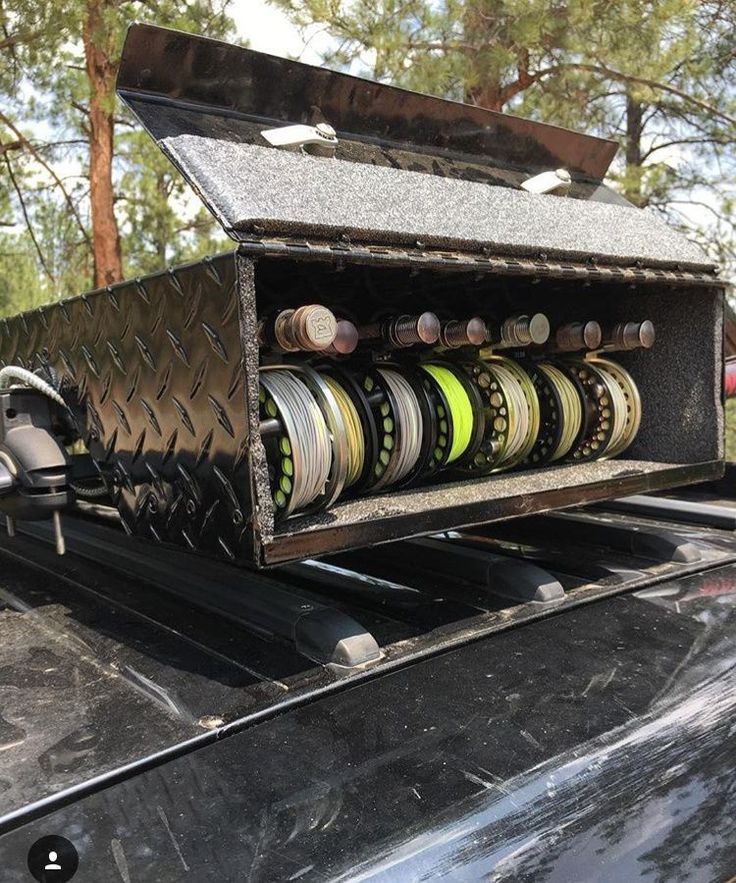
Some anglers line their compartments with soft, non-toxic foam that resists UV degradation and remains pliable in extreme temperatures. Secure the inserts with strong adhesive so they do not shift during rough water or high-speed turns. With a well-designed compartment, you can grab the right rod in seconds without sifting through tangled accessories.
Integrated Rod Bag Racks
Combining rod bags with built-in racks is a smart solution for boat fishing rod storage when you need to transport gear frequently. These systems usually feature padded sleeves suspended on a metal or plastic frame, keeping rods organized and protected during transit. The bags roll down when you arrive at the water, giving you instant access while the rack supports the weight of the rods.
Look for models with multiple anchor points and adjustable straps to fit different boat shapes. Ventilation zippers help dry damp lines quickly, which is crucial for preventing corrosion on guides and reels. If you plan to leave the system on board, choose materials that resist mildew and salt buildup for long-term durability.
Trolling Rod Management Systems
Serious trolling requires a dedicated approach to boat fishing rod storage that keeps lines spread out and lures at different depths. Dedicated holder systems mounted on the transom or gunwale allow you to set multiple rods at precise angles without constant supervision. This frees you to focus on navigation, scanning for birds, or adjusting electronics while the rods work for you.
Many anglers prefer flexible clip-on holders that clamp onto rails or the boat frame, letting you reposition rods as current and structure change. The ability to quickly shorten or lengthen leaders, swap lures, and adjust line tension can dramatically improve your trolling efficiency. A well-planned trolling layout reduces tangles and makes it easier to detect subtle strikes.
Adjustable Outrigger Systems
Outriggers extend your lines far off the sides of the boat, covering more water and minimizing line interference. Integrated rod holders on these poles keep them locked at the correct angle while you troll spreader bars or planer boards. Quality systems use stainless steel cables and smooth pulleys so you can rapidly dip and retrieve rods without fighting against friction.
When setting up outrigger rod storage, consider the reach of each rod relative to the boat’s beam and the typical swim depth of your target species. Balancing line length, lure action, and rod bend can make the difference between a hookup and a missed opportunity. Spending time dialing in these variables pays off with fewer tangles and better hookups.
Planer Board Track Systems
Planer boards on sliding tracks offer another advanced boat fishing rod storage solution for covering wide spans of water. Riders clip onto the track and pull to the side, positioning lures at a consistent distance from the hull. You can place dedicated rod holders behind each planer so that rods are ready to reel in the moment a fish commits.
These systems shine when you want to present multiple lines at different distances without crowding the deck. Track lengths and locking positions determine how far you can run lines in tight or open water, so choose hardware rated for your typical loads. Regular cleaning and lubrication keep the track sliding smoothly when you need to reposition in a hurry.
Choosing the right boat fishing rod storage begins with understanding how you use your boat on the water every season. Whether you favor fast, nimble setups in a small runabout or full trolling arrays on a center console, there is a storage method that will keep your rods safe and within reach. The extra time spent refining your layout will reward you with fewer tangles, less gear stress, and more focus on the fish themselves.
As you refine your approach, experiment with small adjustments and pay attention to what makes daily fishing smoother. Over time, your ideal boat fishing rod storage configuration will emerge from real-world use rather than theory alone. Keep evaluating how each holder, rack, and track performs under different conditions, and be ready to tweak your setup for the next adventure on the water.
Related Articles
25+ Aluminum Boat Rod Storage Ideas for Compact and Organized Fishing Gear
Maximizing every inch of space on an aluminum boat leads to a far more pleasant time on the water, and smart rod storage is a major part of that equation. When...
DIY Rod Storage for Boat: Space-Saving Ideas and Fishing Gear Organization
Storing a boat can feel overwhelming, but a solid diy rod storage plan keeps your gear safe and ready for the next adventure on the water. This guide explores...

Best Kayak Storage Solutions for Apartment Living Compact and Space Saving Ideas
Living in an apartment often means wrestling with limited space, especially when you are passionate about outdoor adventures like kayaking. Finding a secure...

DIY Pontoon Storage Ideas: 10 Creative Ways To Organize Your Boat Gear
Planning safe and organized pontoon storage solutions helps protect your valuable watercraft and simplifies every launch day routine. Whether you are storing...
Maximize Your Catch: Innovative Fishing Tackle Storage Ideas for Boats
Embarking on a fishing trip requires careful planning and preparation, especially when it comes to storing your tackle on your boat. Efficient and organized...

10 Clever Fishing Gear Storage Ideas To Organize Your Tackle Box
Organized fishing gear storage ideas transform a chaotic pile of equipment into a reliable system that saves time on the water. When every net, line, and lure...