Can I Use Plastic to Cover Plants: Weather Protection Tips
Many gardeners wonder whether it is safe to use plastic to cover plants when unexpected weather strikes. The short answer is yes, but with important caveats regarding airflow, light, and contact points. Protecting delicate foliage from frost, intense sun, or hungry insects sometimes requires simple materials found around the home, and plastic is a readily available option. Understanding how different methods perform can mean the difference between a thriving plant and one that suffers from moisture buildup or physical damage.
Home gardeners frequently reach for plastic sheeting, bags, or even recycled packaging when a cold snap threatens seedlings or a heatwave scorches tender leaves. These coverings can create a modified environment that traps warmth, reduces drying winds, and shades roots from hot pavement. However, improper use can lead to condensation, overheating, and rot, especially if the plastic is left in place too long or applied tightly against tender stems. Balancing protection with plant needs is the key to success in this common gardening scenario.
Protecting Plants from Cold with Plastic
Using plastic to protect plants from cold is a widespread practice, especially for frost-sensitive annuals and young vegetables. A lightweight sheet tossed over a row of greens can raise the air temperature by several degrees, preventing ice crystals from forming on leaves. This method is often quick to deploy and requires little investment, making it attractive for large gardens or sudden weather changes. Still, the material is not a perfect insulator, and its effectiveness depends on how it is installed and what lies underneath.


Direct contact between rigid plastic and foliage can become a problem on very cold nights, as the surface may radiate heat and damage tender cells. Gardeners sometimes support the cover with stakes or a wire frame so that the plastic does not touch the plants, creating a small buffer zone. Adding a layer of mulch around the base of the plant helps stabilize soil temperature and reduces moisture loss from roots. When used thoughtfully, plastic barriers can extend the growing season for herbs, greens, and early blossoms without causing harm.
Floating Row Covers Made of Spunbonded Fabric
Not all protective fabrics are heavy plastic sheeting; many gardeners prefer spunbonded row covers that feel like thin fabric. These materials allow light and water to pass through while trapping warm air close to the leaves, offering a gentler alternative to solid plastic. They are often used draped over hoops or cages, which keeps the cover slightly away from the plant tissue. This design reduces the risk of bruising and lets the plants move naturally in the wind.


Because these covers are breathable, they rarely create the intense humidity seen with impermeable plastic. They can still protect against light frost, insect pests, and drying wind, making them popular for organic gardens. When the temperature drops severely, however, they may need reinforcement with additional layers or insulation. For short-term seasonal defense, this option combines protection with healthy airflow better than solid plastic sheeting.
DIY Cloches and Mini Greenhouses
Historically, gardeners used glass jars, milk bottles, or clear plastic containers as cloches to shield individual plants from wind and cold. These improvised covers work well for single specimens, tomatoes, or herbs growing in pots, especially when placed during chilly nights. A clear plastic container can act like a mini greenhouse, allowing sunlight in during the day while trapping radiant heat at night. Just be sure to remove the lid or create small vents once temperatures rise to prevent overheating.
The main risk with rigid containers is the potential for intense magnified sunlight or frost forming on the inner surface if humidity spikes. Checking the interior regularly helps avoid a sudden bake or freeze that could stress the plant. When designed with airflow in mind, simple DIY shelters made from plastic containers or bell jars can provide excellent localized protection for valuable specimens.


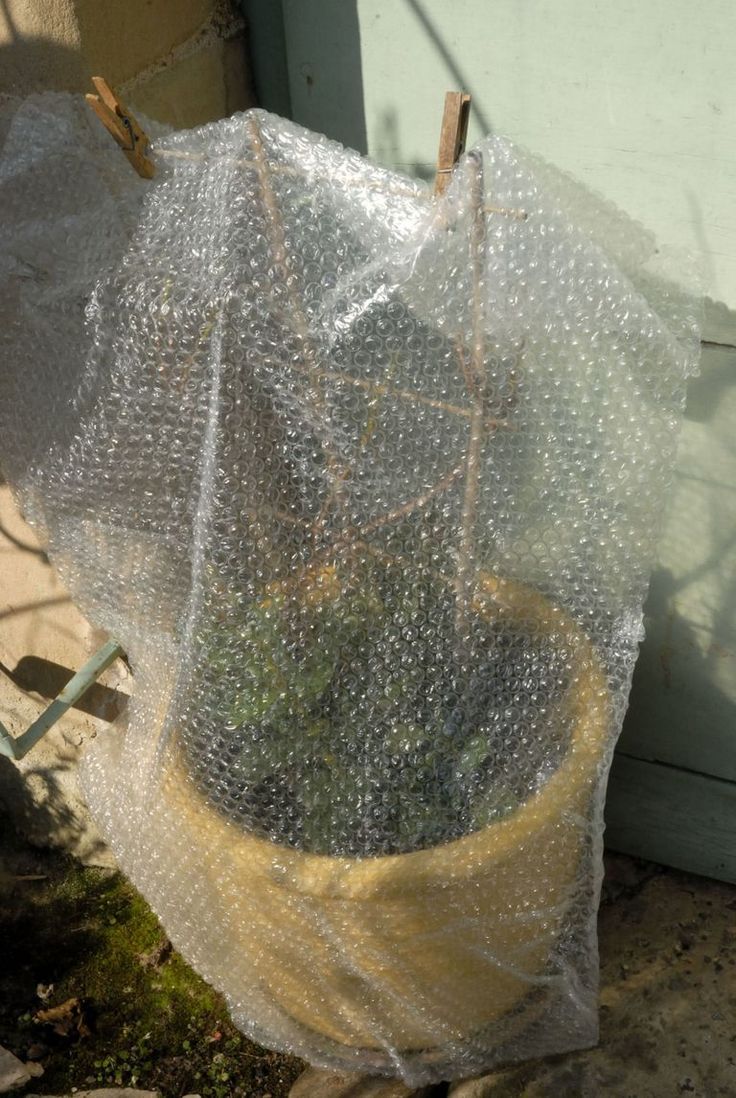


Using Plastic to Shield Plants from Heat and Sun
Beyond cold, some plants need shielding from harsh sun, especially when they are newly transplanted or growing in extremely hot climates. In these situations, gardeners sometimes use loosely fitted plastic mesh or perforated sheeting to filter intense light while still allowing air to circulate. This approach helps prevent sunburn on delicate foliage and reduces rapid moisture loss. The goal is to create shade without turning the covered area into a stagnant hot pocket.
Shade cloth is the purpose-built product for this task because it is designed to block a percentage of sunlight while remaining breathable. However, in a pinch, a white or reflective plastic sheet placed several inches above the plants can lower leaf temperatures and reduce stress. As with cold protection, avoiding tight contact with leaves and providing ventilation are critical factors for success.
Shade Structures and Reflective Covers
Setting up a simple frame with bamboo poles or metal rods allows a gardener to suspend plastic sheeting a foot or more above the plants. This gap encourages convection, so hot air rises and cooler air can flow underneath, preventing hot spots. White or silver reflective surfaces are particularly effective at bouncing excess light away while still admitting enough to sustain photosynthesis. Using this method in vegetable beds or under fruit trees can reduce heat stress during heat waves.


Monitoring is still essential, because even reflective covers can trap humidity or create uneven temperatures if not installed correctly. Opening the ends of the structure or rolling up sections during cooler parts of the day ensures fresh air reaches the plants. When planned carefully, a temporary plastic shade system offers an affordable way to protect young crops from too much sun without investing in elaborate hardware.
Managing Humidity and Ventilation
One of the biggest concerns when covering plants with any nonwoven material is trapped moisture, which can encourage fungal diseases. Plastic that sits directly on leaves or remains sealed around the stems overnight creates a humid microclimate that pathogens love. Good ventilation, whether through vents, lifted edges, or spaced supports, helps keep the environment balanced. Alternating between covered and uncovered periods can also prevent excess dampness from building up.
Gardeners who live in humid regions often prefer materials that allow some airflow, such as mesh bags or vented cloches, over solid plastic. If solid sheeting must be used, propping it up with sticks or wire arches and removing it during the day can mitigate disease risks. Checking plants regularly for early signs of rot or mold ensures that the protection does not become a hidden problem.
Best Practices for Using Plastic Around Plants
When choosing to use plastic to cover plants, selecting the right type and thickness matters significantly. Lightweight household plastic may tear in wind, while heavier greenhouse-grade sheeting is more durable and resistant to UV degradation. Clear plastic transmits heat efficiently, which can be an advantage in cool weather but a drawback in direct sun. Understanding these differences helps gardeners match the material to the specific environmental challenge.
Proper installation also reduces the chances of accidental damage, such as plastic ripping and blowing away or cutting into stems as the plant grows. Securing the edges with soil, rocks, or landscape pins keeps the cover stable, while leaving enough slack prevents it from pressing too tightly against new growth. Regular inspections and timely adjustments ensure that the protective effect continues through changing conditions.
Combining plastic covers with other strategies, such as mulching, proper watering, and selecting hardy varieties, creates a more resilient garden overall. Using plastic judiciously as a temporary aid rather than a permanent solution supports plant health without introducing long-term problems. This balanced approach allows gardeners to respond quickly to weather extremes while maintaining a thriving, vibrant space.
Every garden has unique microclimates, and experimenting with different covering methods helps you learn what works best for your specific plants and conditions. Observing how your crops respond to plastic protection, and adjusting your technique accordingly, builds valuable experience over time. With careful planning and attention to airflow, moisture, and contact points, plastic can be a reliable tool in a gardener’s toolkit for nurturing strong, healthy growth through challenging seasons.
Related Articles

101 Outdoor TV Cover Ideas For Weather Protection And Style
Protecting your outdoor tv cover setup is essential for maximizing your investment and ensuring years of reliable entertainment. Harsh weather, from relentless...

Best Frost Protection for Plants: Top Covers
Protecting delicate foliage during cold snaps is a concern for many gardeners, and understanding what is the best thing to cover plants from frost can make the...

Is It Safe to Cover Plants with Plastic?
Many gardeners reach for plastic film when they want to shield delicate plants from frost or intense sun, but is it safe to cover plants with plastic in every...

How to Cover Plastic Conservatory Roof: Expert Tips & Best Materials
Covering a plastic conservatory roof is one of the most effective ways to transform a space that is either too hot in summer or too cold in winter into a...

Cheap Ideas to Cover a Ceiling: Budget-Friendly Ceiling Makeover Tips
Are you looking to spruce up your space without breaking the bank? One of the most impactful yet affordable ways to transform a room is by updating your...

Black Pepper Plant Tips: Unveiling Dark Secrets
Have you ever noticed small, dark spots on your pepper plants? These could be black tips on pepper plants, a common issue that many gardeners face. But don't...