Can You Mix Warm and Cool Lights: Ultimate Guide to Layered Lighting
In the world of lighting, the age-old question often arises: can you mix warm and cool lights? The short answer is yes, you can, and many designers do so to create stunning, layered lighting effects. However, as with many things in design, it's not as simple as just plugging in a few bulbs. Let's delve into the art and science of mixing warm and cool lights.
Before we dive into the specifics, let's understand the basics. Warm lights, typically with a color temperature between 2700K to 3000K, emit a soft, inviting glow, reminiscent of a cozy fireplace or a sunlit room. Cool lights, on the other hand, with a color temperature ranging from 4000K to 6500K, provide a bright, crisp light, similar to daylight. Now, let's explore how to mix these two types of lights effectively.
Understanding Color Rendering Index (CRI)
The first step in mixing warm and cool lights is understanding the Color Rendering Index (CRI). This scale measures how accurately a light source renders colors compared to a natural light source. A CRI of 100 indicates perfect color rendering. When mixing lights, it's crucial to consider the CRI to ensure your colors don't appear dull or distorted.


For instance, a warm light with a high CRI (90 or above) will make colors appear more vibrant and natural than a cool light with a lower CRI. Therefore, if you're using warm and cool lights in the same space, ensure both have a high CRI for optimal color rendering.
Layering Light: The 60-30-10 Rule
One popular method of mixing warm and cool lights is the 60-30-10 rule. This rule suggests that in any given space, you should allocate 60% of your lighting to ambient (general) light, 30% to task lighting, and 10% to accent lighting. This balance creates a layered lighting effect that can incorporate both warm and cool lights.


For example, you might use cool, ambient lighting to illuminate the entire room, while warm, task lighting helps with specific activities like reading or cooking. Then, use warm, accent lighting to highlight artwork or architectural features. This mix of warm and cool lights creates a harmonious, inviting atmosphere.
Creating Contrast: Warm Lights for Task, Cool for Ambient
Another approach is to use warm lights for task-specific areas and cool lights for ambient lighting. This method creates a stark contrast that can be visually striking. For instance, in a living room, you might use cool, ambient lighting to illuminate the entire space, while warm, table lamps provide task lighting for reading or working.
This contrast can create a dramatic effect, but it's essential to balance the lights carefully. Too much contrast can make the space feel disjointed, while too little can make the effect indistinguishable. Therefore, it's crucial to consider the balance of light in your space.


Mixing Warm and Cool Lights in Different Rooms
Different rooms in your home may require different lighting mixes. For instance, in a bedroom, you might prefer a soft, warm light to create a cozy, relaxing atmosphere. In a home office, however, cool, task-specific lighting might be more appropriate to promote productivity.
In the kitchen, a mix of both warm and cool lights can be beneficial. Cool, ambient lighting can provide overall illumination, while warm, task lighting under cabinets can make food preparation areas more visible. Additionally, warm, accent lighting can highlight decorative elements like glassware or pottery.
Using Dimmers and Smart Bulbs for Flexibility
Dimmers and smart bulbs can provide flexibility when mixing warm and cool lights. Dimmers allow you to adjust the brightness of your lights, creating a more nuanced lighting effect. Smart bulbs, with their ability to change color temperature, can mimic the effect of using both warm and cool lights in the same fixture.


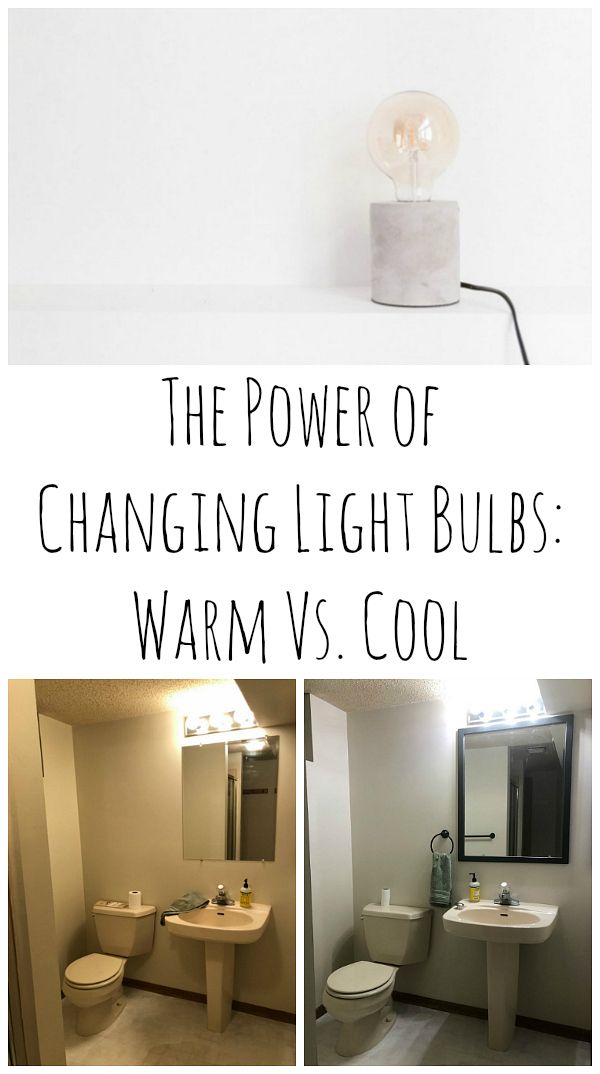


For example, you might use a smart bulb in your living room that can switch from warm to cool light. This allows you to create a cozy atmosphere in the evening and a bright, inviting space during the day with just one light fixture.
Considering the Time of Day
Another factor to consider when mixing warm and cool lights is the time of day. Our bodies respond to light, and different types of light can affect our circadian rhythm. In the morning and afternoon, cool, daylight-like light can help us feel alert and energized. In the evening, warm, soft light can signal to our bodies that it's time to wind down and prepare for sleep.
Therefore, you might want to use cool lights in the morning and afternoon and switch to warm lights in the evening. Smart bulbs with scheduling features can automate this process, ensuring your lights always match the time of day.
In the end, mixing warm and cool lights is all about creating a harmonious, inviting atmosphere that suits your needs and preferences. It's an art that requires balance, experimentation, and a keen eye for detail. So, go ahead, mix those lights, and create a space that's uniquely yours.
Related Articles

Warm vs Cool Lighting Types Ultimate Guide for Perfect Ambiance
Understanding the difference between warm cool lighting is essential for creating the right atmosphere in any space, from your living room to your office and...

How to Test Solar Garden Lights: Ultimate Guide to Bright and Efficient Outdoor Lighting
Embarking on a sustainable journey by installing solar garden lights is an excellent way to reduce your carbon footprint while enhancing your outdoor space...

What Is the Difference Between Cool White and Warm White Christmas Lights? A Complete Guide
When it comes to choosing the perfect Christmas lights, the decision often boils down to two popular options: cool white and warm white. Both offer a festive...

Task Lighting Ambient Lighting Accent Lighting: The Ultimate Guide to Layered Home Illumination
Effective lighting design weaves together task lighting ambient lighting and accent lighting to shape how people see and experience a space. By understanding...

Cool FFF Games The Ultimate Guide to Finding Fun and Free Gaming Experiences
Discovering the world of tabletop gaming often leads enthusiasts to the captivating universe of Fantasy Flight Games (FFG). Known for their immersive...

Types of Lighting Ambient: The Ultimate Guide to Mastering Home Atmosphere
Lighting ambient defines the mood, functionality, and perceived size of any space, making it a fundamental element of interior design and architecture...