Cheap DIY Hot Tub: Build Your Own Budget Spa
Are you dreaming of a luxurious hot tub experience but cringing at the thought of the high price tags? Fret not, as creating a DIY hot tub can be an affordable and rewarding project. Imagine soaking in your own backyard oasis, enjoying the bubbles and warmth, all while knowing you've saved a significant amount of money. In this comprehensive guide, we'll delve into the world of cheap DIY hot tubs, exploring materials, designs, and essential aspects to consider.
Before we dive into the details, let's address the elephant in the room: safety. While DIY projects can be cost-effective, safety should never be compromised. Ensure you follow all local building codes and safety guidelines. Always consult with a professional if you're unsure about any aspect of the project.
Choosing the Right Materials
One of the primary ways to keep your DIY hot tub affordable is by selecting the right materials. The two most common options are wood and plastic.


Wooden hot tubs, often made from cedar or redwood, offer a natural, rustic aesthetic. They're also relatively easy to work with and can be quite affordable. However, they require regular maintenance to prevent rot and may not last as long as other options.
Cedar and Redwood Hot Tubs
Cedar and redwood are popular choices for DIY hot tubs due to their natural resistance to rot and insects. They also provide excellent insulation, helping to maintain your water's temperature. To extend the life of your wooden hot tub, apply a sealant annually and ensure it's drained and dried completely during the off-season.


Plastic hot tubs, on the other hand, are typically made from rotationally molded polyethylene. They're durable, low-maintenance, and can last for decades. However, they may not offer the same aesthetic appeal as wooden tubs and can be more expensive.
Plastic Hot Tubs
Plastic hot tubs are incredibly durable and resistant to weathering, rot, and pests. They're also easy to clean and maintain, requiring only occasional scrubbing with a mild detergent. While they may not have the same visual appeal as wooden tubs, they make up for it in longevity and low maintenance.
Another material to consider is concrete. While it's not as common for DIY hot tubs, a concrete shell can provide a durable, long-lasting structure. However, it requires specialized knowledge and equipment to install correctly, and the initial cost may not be as cheap as other options.


Designing Your DIY Hot Tub
Once you've chosen your material, it's time to decide on the design of your hot tub. The size and shape of your tub will depend on your available space and how many people you want to accommodate.
For a small, intimate soak, consider a two-person hot tub. These are typically smaller in size and can be easily incorporated into a compact backyard. For larger gatherings, opt for a four-person or six-person hot tub. Keep in mind that larger tubs will require more water and energy to heat and maintain.
Size and Shape
When deciding on the size and shape of your hot tub, consider the available space in your backyard. A rectangular hot tub can fit neatly into a corner, while a circular hot tub can create a cozy, inviting atmosphere in the center of your patio. Some DIY hot tub enthusiasts even create unique, custom shapes to fit their specific needs.


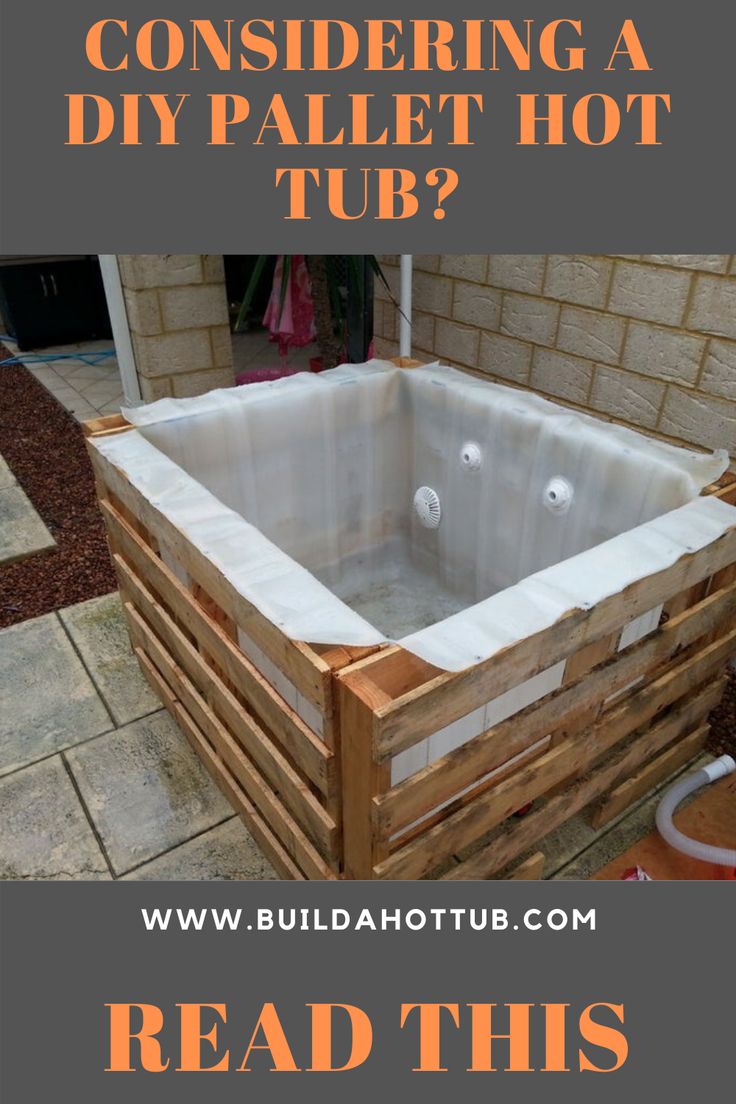


Another design aspect to consider is the seating arrangement. Benches provide ample seating for multiple people, while built-in seats with backs can offer a more comfortable soaking experience. Some hot tubs even feature loungers for a true spa-like experience.
Seating Arrangement
When designing your seating arrangement, consider the height of the tub. A deeper tub will require a higher step-over height, which can be more challenging for some users to navigate. Additionally, consider the placement of jets and controls to ensure they're easily accessible and comfortable to use.
Once you've decided on the material, size, and shape of your hot tub, it's time to consider the essential aspects of your DIY project.
Essential Aspects of DIY Hot Tub Construction
Building a DIY hot tub involves more than just constructing a shell. You'll also need to consider plumbing, insulation, and heating systems.
Plumbing is a critical aspect of your hot tub. You'll need to install pipes to circulate water through the heating system and jets. If you're using an existing water source, you'll also need to install a pump to fill and drain the tub.
Plumbing and Circulation
When planning your plumbing, consider the layout of your jets and controls. You'll want to ensure that the pipes are long enough to reach all the jets and that the pump is powerful enough to circulate water through the entire system. Additionally, consider installing a check valve to prevent water from flowing back into the pump when it's not in use.
Insulation is another crucial aspect of DIY hot tub construction. A well-insulated hot tub will maintain its water temperature more efficiently, saving you money on heating costs. Foam insulation is a popular choice for hot tubs, as it's lightweight, durable, and resistant to moisture.
Insulation and Heating
When insulating your hot tub, ensure that the insulation is completely sealed to prevent any moisture from getting in. You'll also want to insulate the pipes and plumbing components to prevent heat loss. For heating, you can use a variety of methods, including electric heaters, gas heaters, or even solar-powered heaters.
Finally, don't forget about safety features. Installing a safety cover can prevent accidents and keep debris out of your hot tub when it's not in use. You may also want to consider installing a locking mechanism to prevent unauthorized access.
Safety Features
Safety covers are an essential feature for any hot tub. They can prevent accidents, keep debris out of the water, and help maintain your water's temperature. Additionally, consider installing a locking mechanism to prevent unauthorized access, especially if you have children or pets.
Building a DIY hot tub can be a rewarding and cost-effective way to enjoy the luxury of a hot tub in your own backyard. By choosing the right materials, designing a functional and comfortable space, and considering the essential aspects of construction, you can create a hot tub that's perfect for your needs and budget.
So, what are you waiting for? Start planning your DIY hot tub project today, and before you know it, you'll be relaxing in your own personal oasis, enjoying the bubbles and warmth, all while knowing you've saved a significant amount of money. Happy building!
Related Articles

Covered Outdoor Living On A Budget: 15 Cheap Ideas For Your Patio
Transforming your outdoor space into a cozy, inviting haven doesn't have to break the bank. With a bit of creativity and some strategic planning, you can...

Cheap Moulding Ideas On A Budget Creative Home Decor Solutions
Transforming your home's aesthetic doesn't always require a hefty budget. With a bit of creativity and the right techniques, you can achieve stunning results...

Delicious Dinner Ideas On A Budget For 2 Cheap Eats
Cooking dinner on a budget for two doesn't have to mean sacrificing flavor or variety. With a little planning and creativity, you can enjoy delicious and...

How to Decorate a Bedroom on a Tight Budget: Cheap Hacks & Ideas
Transforming your bedroom into a cozy sanctuary doesn't have to break the bank. With a bit of creativity and some smart shopping, you can create a stylish and...

Diy Small Garden Ideas On A Budget 10 Cheap And Easy Designs
Transforming a small outdoor space into a lush, inviting garden doesn't have to break the bank. With a bit of creativity, planning, and some elbow grease, you...

Large Outdoor Pig Pen Ideas Design Plans Build Your Own Stylish Homestead
Designing a large outdoor pig pen requires careful planning to ensure the health of the animals and the convenience of the owner. A well structured space...