101 Fun Clothes Peg Activities Creative Learning Games
Clothes peg activities blend old fashioned simplicity with surprising educational value, turning a common household clip into a tool for playful learning. These low prep ideas work well at home or in the classroom, offering quick setup and meaningful engagement for young children. By turning everyday laundry time into a game, you support the development of fine motor skills, concentration, and early learning concepts without relying on screens. This article explores practical ways to use a simple clothes peg to spark imagination, reinforce school readiness skills, and bring structure to playful routines.
In practice, clothes peg activities are versatile because they adapt to different ages, interests, and available space. A single peg can help a toddler practice a pincer grasp, while older preschoolers can follow multi step instructions that involve sorting, counting, or matching. The tactile nature of gripping, clipping, and releasing makes learning hands on, which supports memory and keeps children actively involved. With just a little planning, these activities grow with your child, turning a basic laundry tool into a lasting resource for development.
Building Fine Motor Skills and School Readiness
One of the core benefits of clothes peg activities is the focused practice of fine motor control. Pinching a small peg between thumb and fingers strengthens the small muscles that support early writing and tool use. Adding tasks like picking up tiny objects with the peg or turning it to fit into holes challenges precision and hand eye coordination in a playful way. These everyday actions lay the groundwork for confident pencil handling and careful manipulation of classroom materials.


Beyond the physical benefits, these games introduce important routines that align with school readiness. Children learn to follow step by step directions, wait for their turn, and persist with a task that requires focus. A simple setup with numbered cards or color coded pieces can encourage them to check off steps, match sequences, and practice concentration. By framing these moments as games, adults create a supportive context where children build confidence and a positive attitude toward structured learning.
Sorting and Pattern Games
Sorting games using a clothes peg are easy to assemble and highly effective for teaching early categorization skills. You can invite a child to clip pegs onto the edge of a container or a board, grouping them by color, size, or simple shapes drawn on tags. As they decide where each peg belongs, they practice comparing attributes, making decisions, and using language such as same, different, bigger, and smaller. This kind of activity also encourages them to explain their thinking, strengthening communication and logical reasoning.


Pattern activities build on sorting by introducing sequences that repeat in a predictable way. For example, you might set up cards that show color patterns like red, blue, red, blue, and ask the child to clip pegs in the same order. They can then extend the pattern by choosing the next peg to add, which reinforces prediction and memory. These exercises connect to broader math ideas, such as recognizing order, repetition, and relationships between elements, making them a valuable part of early numeracy.
Counting and Number Recognition
Clothes peg activities naturally support early numeracy when you introduce simple counting tasks. You can write or paste small numbers on cards and ask a child to count a matching number of objects, then clip a peg to each set. This one to one correspondence practice helps them link number words to quantities in a concrete way. As they repeat the activity, their fluency with number recognition and counting sequence improves, setting a strong foundation for more complex operations later on.
To increase the challenge, try mixing number cards and asking the child to order them before clipping, or to solve simple addition facts by combining groups and marking the total. You might place pegs with numbers on a line and ask the child to identify which number comes before or after a given number. These variations keep the play fresh while steadily building confidence with early problem solving and number sense.


Creative Expression and Imaginative Play
Beyond academic goals, clothes peg activities open the door to creative projects that encourage imagination. Children can decorate plain pegs with paints, stickers, or markers, then use them as characters, animals, or friendly figures in small world play. A peg becomes a puppet on your fingers, a gardener holding a tiny rake, or a figure climbing a cardboard mountain, giving them a tactile way to tell stories. This artistic angle supports self expression while helping them practice planning and sequencing as they design their scenes.
Role play scenarios also benefit from the flexibility of peg props. You might set up a laundry theme where dolls or stuffed animals need to be clipped to a line, or create a post office where each letter is held by a peg until it is delivered. These simulations invite turn taking, negotiation, and the use of everyday language, helping children understand social rules and build empathy. By integrating clothes pegs into play narratives, you provide a simple prop that fuels complex, child led storytelling.
Art and Craft Integration
Art activities with a clothes peg often focus on process over product, allowing children to explore color, texture, and movement. For example, they can dip pegs wrapped in sponge shapes into paint and stamp patterns on paper, creating repeating designs or experimenting with color mixing. The act of pressing the sponge onto the surface strengthens hand muscles, while choosing which colors to place next encourages decision making and visual thinking.


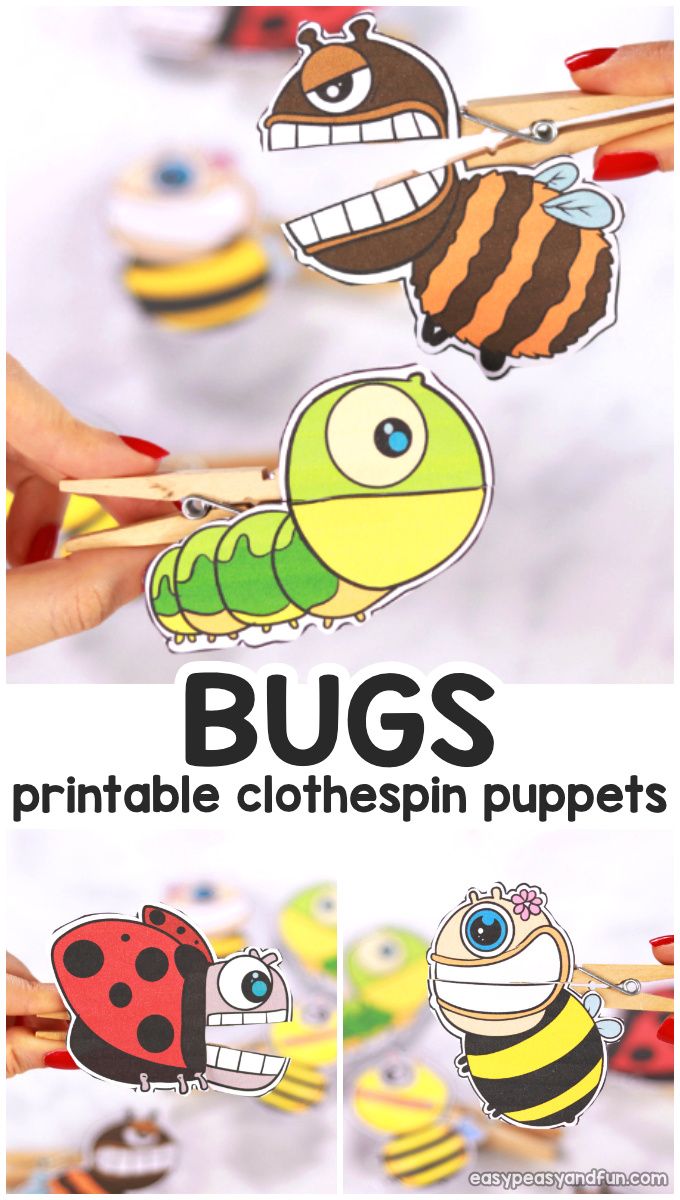


You can also combine pegs with recycled materials to make hanging art mobiles or collages. A child might clip painted cardboard shapes, folded paper flowers, or cut out letters onto a string or wire frame, using the pegs as movable clips that let them adjust the layout. This integration of art and construction nurtures problem solving, as they figure out how to balance pieces, adjust spacing, and secure parts safely. The results are often unique displays that celebrate both creativity and skill building.
Organizing Daily Routines with Peg Systems
Clothes peg activities extend beyond dedicated play sessions by helping structure everyday life. A simple peg chart on the fridge or a bedroom wall can track morning tasks, such as getting dressed, brushing teeth, and packing a school bag. Each step is represented by a card or picture, and the child moves a peg along the sequence, gaining a clear visual of progress. This strategy supports independence, because the child can see what comes next and check off completed actions without constant reminders.
You can also use pegs for collaborative projects, such as planning a family day out or organizing chores. Write options like park visit, baking, or reading time on cards and let each family member move a peg to vote on the next activity. This approach teaches turn taking, compromise, and shared decision making in a visual and interactive way. Over time, these routines become familiar patterns that make transitions smoother and reduce conflicts around schedules.
Customizing for Different Ages and Needs
Clothes peg activities are easy to tailor for toddlers, preschoolers, and early school age children. With babies and young toddlers, focus on simple cause and effect, like pressing a peg onto a soft surface or watching a caregiver clip and unclip items. As they grow, introduce tasks that require a bit more force and precision, such as clipping pegs onto the rim of a container or snapping them onto thicker cardboard. By matching the challenge to the child's current abilities, you keep the experience motivating and avoid frustration.
For children with additional needs, clothes peg activities can be adapted to support sensory preferences, attention spans, and physical requirements. You might choose larger, easier grip pegs, reduce visual clutter on task cards, or incorporate calming colors and familiar themes. Short, structured rounds with clear instructions help build confidence, while flexible rules allow adults to adjust difficulty on the fly. Thoughtful customization ensures that these games remain accessible, enjoyable, and beneficial for a wide range of children.
Simple tools like a clothes peg can quietly support a child's growth, turning ordinary moments into chances to explore, create, and learn. As you experiment with sorting games, counting tasks, art projects, and routine charts, you will discover how these adaptable ideas fit naturally into daily life. Paying attention to what engages your child most allows you to refine each activity, keeping it challenging enough to inspire progress but enjoyable enough to feel like play. Approaching everyday materials with this mindset encourages curiosity, builds confidence, and keeps the door open to new discoveries, making ongoing exploration a natural and rewarding part of your shared time together.
Related Articles

Fun Classroom Games For Engaging Learning Activities
In the dynamic world of education, engaging students in the learning process is key to enhancing their understanding and retention. One effective way to...

Creative Group Games For Adults Fun Team Building Activities
Creative group games for adults are more than just a way to pass time; they are a powerful tool for rekindling connection and sparking genuine laughter in our...

Fun Holiday Games for the Classroom: Festive Learning Activities
As the holiday season approaches, educators are always on the lookout for engaging and educational classroom activities that can also incorporate the festive...

Simple Group Games For Toddlers Fun And Learning Activities
Simple group games for toddlers are a wonderful way to turn everyday playtime into joyful learning experiences. These activities help young children build...

Color Craft For Preschoolers Fun And Creative Learning Activities
Color craft for preschoolers is an engaging and educational activity that fosters creativity, fine motor skills, and color recognition. By incorporating colors...

Vibrant Spring Artwork For Prek Creative Learning Activities
Spring is a season of renewal and growth, making it an ideal time to explore art and creativity with your preschool-aged children. Spring artwork for Pre-K can...