"Ladies' Color Theme Party Dress Code Ideas"
Choosing the right color theme party dress code for ladies sets the tone for the entire evening, transforming a simple gathering into a memorable visual experience. Whether you are attending a birthday celebration, a wedding, or a sophisticated corporate event, understanding how colors work together can boost your confidence and ensure you feel perfectly placed in the room. This guide dives deep into the psychology of hues, outfit coordination, and personal style to help you navigate every invitation with ease.
Color theory plays a crucial role in fashion, especially when the invitation specifies a particular theme. Knowing the differences between complementary, analogous, and monochromatic schemes allows you to select a dress that harmonizes with the event atmosphere. By mastering these fundamentals, you can avoid clashing shades and instead create a look that feels intentional, polished, and uniquely you.
Understanding the Mood of the Party
The first step in decoding a color theme party dress code for ladies is identifying the vibe the host wants to create. A garden brunch calls for soft, natural tones, while a glamorous evening gala demands richer, more dramatic shades. Paying attention to details like time of day, venue, and guest list helps you interpret the invitation accurately and choose a hue that respects the intended atmosphere.


Once you grasp the overall mood, you can decide whether to blend in or stand out subtly. For relaxed events, lighter pastel shades such as mint green, baby blue, or lavender convey a sense of ease and approachability. For more formal occasions, deeper tones like emerald green, navy, or burgundy communicate elegance and sophistication without drawing excessive attention.
Sub-topic A: Daytime Gatherings
Daytime celebrations often feature bright, cheerful palettes that reflect natural sunlight. Consider wearing a flowy shirt in sunny yellow, a breezy dress in coral pink, or a coordinated set in soft peach. These shades energize the space and create a warm, inviting presence that matches the lively, casual nature of afternoon events.


When dressing for a daytime party, focus on breathable fabrics like cotton or linen in light colors. A white wide-leg trousers paired with a pastel blouse, or a floral midi skirt in a mix of soft hues, can keep you comfortable while still looking polished. Remember to balance vibrancy with neutral accessories to avoid overwhelming your overall look.
Sub-topic B: Evening Events
Evening gatherings allow for more intense and luxurious color choices. Deep jewel tones such as sapphire blue, amethyst purple, and ruby red photograph beautifully under dim lighting and exude confidence. A sleek bodycon dress in these shades or a tailored jumpsuit can become a showstopper without saying a word.
In addition to dark, rich colors, metallic accents like gold, silver, or bronze can elevate an evening outfit. A black dress with subtle gold embroidery, or navy trousers paired with a silver clutch, adds just the right touch of glamour. Keep your makeup and hairstyle in sync with the shimmer to create a cohesive, high-impact appearance.


Matching the Stated Color Palette
When an invitation explicitly lists colors, the goal is to honor the palette while still expressing your personal taste. If the theme is "coastal blues," you might choose a dress in aqua, combine it with navy accessories, and add subtle hints of white through shoes or jewelry. This approach ensures you are in sync with the design concept without copying someone else's outfit.
Another strategy is to use the theme colors in smaller, curated ways. You could wear a neutral base outfit and introduce the required shades through a statement handbag, patterned shawl, or bold earrings. This method offers flexibility, especially if you want to reuse pieces across multiple events or keep your wardrobe versatile.
Sub-topic C: Complementary Hues
Complementary colors sit opposite each other on the color wheel and create striking contrast when paired thoughtfully. If the party theme centers on orange, for instance, you might choose a dress in deep teal or navy to make the overall look dynamic. This contrast adds visual interest and helps you stand out while staying within the thematic bounds.


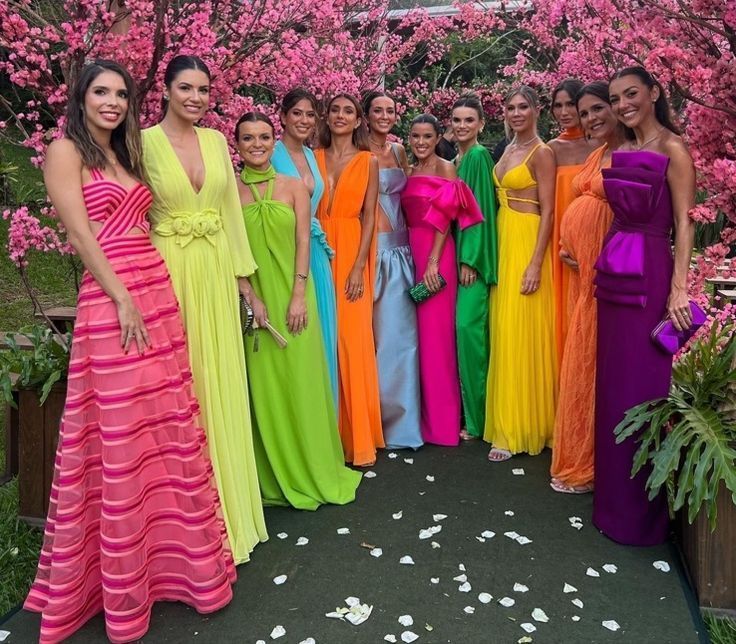


To avoid a harsh clash, balance these complementary tones with neutral elements like beige, gray, or white. A black blazer over a vibrant top, or nude heels with contrasting colored accessories, can soften the look. The key is to maintain harmony, ensuring the outfit feels intentional rather than accidental.
Sub-topic D: Analogic Harmony
Analogous color schemes use shades that sit next to each other on the wheel, producing a serene and cohesive effect. For a "spring garden" theme, you could combine mint, sage, and pale yellow in a single outfit. This subtle gradient creates depth without overwhelming the senses, making it ideal for guests who prefer understated elegance.
Layering different textures in analogous colors enhances the sophisticated feel of the outfit. Think of a silk blouse in soft green, paired with a wool vest in a slightly deeper tone, and completed with cream-colored trousers. This attention to detail shows that you understand nuanced styling and care about looking put together.
Considering Skin Tone and Personal Style
While following a color theme party dress code is important, selecting shades that flatter your skin tone ensures you look and feel your best. Cool undertones often suit jewel tones like emerald, plum, and royal blue, while warm undertones glow in terracotta, mustard yellow, and olive green. Identifying your natural palette helps you adapt any theme to suit your features effortlessly.
Personal style should never be sacrificed for the sake of theme compliance. If you dislike wearing dresses, you can opt for a tailored pantsuit in the required colors, or a stylish skirt and top combination. Confidence comes from wearing something that reflects your identity, so choose pieces that highlight your strengths and make you feel authentic.
Sub-topic E: Timeless Neutrals
Neutrals such as black, white, beige, and gray are flexible bases that work with almost any color theme party dress code for ladies. They allow bolder theme colors to shine through while keeping your overall look grounded. A little black dress with colorful accessories, for example, can be dressed up or down depending on the event.
Using neutrals strategically also makes your wardrobe investment more sustainable. You can purchase a high-quality neutral dress or top and simply change the accessories to match future parties. This approach reduces clutter, simplifies packing, and ensures you always have a reliable option on hand.
Sub-topic F: Statement Pieces
For those who love to stand out, integrating a statement piece in the theme color can be a game-changer. This might be a dramatic coat, an intricately embroidered top, or a pair of eye-catching shoes. By anchoring your outfit around one focal point, you create a polished look without trying too hard.
Balance is essential when wearing a statement item. If your bag is brightly colored, keep your shoes more subdued, and vice versa. This technique ensures that your outfit remains cohesive and that your statement piece receives the attention it deserves without competing with other elements of your look.
Ultimately, mastering a color theme party dress code for ladies is about blending personal expression with thoughtful consideration of the event details. When you understand how to work with hues, textures, and silhouettes, getting dressed for any occasion becomes an enjoyable creative process rather than a source of stress.
As you experiment with different combinations and refine your approach, remember that fashion should be a source of joy and empowerment. Allow these insights to guide your choices, trust your instincts, and continue building a wardrobe that reflects both your style and your confidence in every setting.
Related Articles

Party Theme Color Ideas & Dress Code: Set the Tone
Planning a party involves a myriad of decisions, from the venue to the menu, but one of the most impactful choices you'll make is the theme and its...

Chic Chocolate Kitty Party Dress Code For Ladies SEO Style
Are you planning a purr-fectly delightful event and looking for a charming theme that will have your guests feline great? A chocolate theme kitty party might...

Colorful Ladies' Outfit Ideas for Your Next Party
Add a splash of color to your social calendar with these vibrant and stylish color party outfit ideas for ladies. Whether you're attending a themed event or...
Kitty Party Theme Ideas at Home for Ladies
Planning a kitty party theme at home can turn an ordinary afternoon into a luxurious escape filled with laughter, pampering, and girlish chatter. Whether the...

Chic Ladies Luncheon Theme Ideas Elegant Party Inspiration
A ladies luncheon theme creates a curated atmosphere where conversation flows as smoothly as the served dishes, blending elegance with genuine connection...
Ladies Kitty Party Theme Ideas: Indian Twist
Planning a ladies kitty party theme ideas indian celebration is a wonderful way to blend fun, fashion, and tradition with your closest friends. These...