concrete floor stencils for sale DIY patterns stamped concrete designs
Transforming plain concrete floors into stunning, personalized surfaces has never been easier, thanks to the innovative use of concrete floor stencils. These versatile tools allow you to create intricate patterns, designs, and textures that mimic the look of expensive materials like tile, stone, or wood, all while maintaining the durability and low maintenance of concrete. If you're considering enhancing your indoor or outdoor spaces with these remarkable products, you've come to the right place. Let's delve into the world of concrete floor stencils for sale and explore how they can revolutionize your surfaces.
Concrete floor stencils are designed to fit seamlessly onto freshly poured or existing concrete surfaces, allowing you to create beautiful, custom designs with minimal effort. Whether you're a DIY enthusiast or a professional contractor, these stencils offer an affordable and efficient way to elevate your projects. But with numerous options available on the market, choosing the right concrete floor stencils for your needs can be a daunting task. In this comprehensive guide, we'll explore the various types, benefits, and applications of concrete floor stencils, helping you make an informed decision for your unique project.
Understanding Concrete Floor Stencils
Concrete floor stencils are essentially templates made from durable materials like plastic, rubber, or metal. They come in a variety of sizes, shapes, and designs, allowing you to create a wide range of patterns and textures on your concrete surfaces. By placing these stencils onto the wet concrete and applying a contrasting color or texture, you can achieve stunning, professional-looking results that rival traditional flooring methods.


One of the key advantages of using concrete floor stencils is their versatility. They can be used to create a myriad of designs, from simple geometric patterns to complex, custom logos or images. This versatility makes them an excellent choice for both residential and commercial applications, allowing you to add a unique touch to your home, office, or public spaces.
Types of Concrete Floor Stencils
Concrete floor stencils can be categorized into several types based on their design, material, and application. Understanding these types will help you choose the perfect stencils for your project.


Plastic Stencils - These are the most common and affordable type of concrete floor stencils. They are typically made from flexible, lightweight plastic that can be easily cut and customized. Plastic stencils are ideal for creating simple, repeating patterns and are suitable for both indoor and outdoor use.
Rubber Stencils - Rubber stencils are more durable and heavy-duty than their plastic counterparts. They are often used for creating complex designs, such as custom logos or images, as they can withstand the pressure of heavy machinery like concrete stamps or texturing tools. Rubber stencils are an excellent choice for professional contractors and large-scale projects.
Metal Stencils - Metal stencils are typically made from aluminum or stainless steel and are designed for creating intricate, detailed patterns. They are more expensive than plastic or rubber stencils but offer superior durability and longevity. Metal stencils are ideal for creating consistent, high-quality results on large-scale projects.


Benefits of Using Concrete Floor Stencils
Incorporating concrete floor stencils into your projects offers a multitude of benefits, from cost savings to enhanced aesthetics and functionality.
Cost-Effective - Concrete floor stencils allow you to achieve the look of expensive materials like tile, stone, or hardwood at a fraction of the cost. By using stencils, you can transform plain concrete surfaces into beautiful, personalized spaces without breaking the bank.
Time-Saving - Applying concrete floor stencils is a quick and efficient process that requires minimal skill or equipment. This makes them an ideal solution for both DIY enthusiasts and professional contractors looking to streamline their workflow and save time on projects.


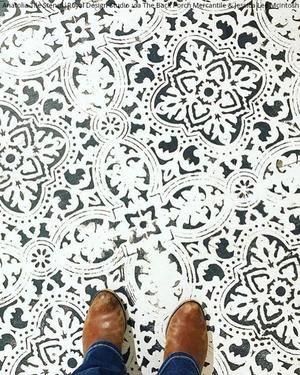


Versatile and Customizable - With a wide range of designs and materials available, concrete floor stencils offer unparalleled versatility. Whether you're looking to create a simple geometric pattern or a custom logo, there's a stencil out there to suit your needs. Additionally, many stencils can be customized or combined to create unique, one-of-a-kind designs.
Low Maintenance - Concrete is a durable, low-maintenance material that requires minimal upkeep. By using stencils to enhance your concrete surfaces, you can enjoy the beauty of custom designs without sacrificing the convenience and ease of care that concrete offers.
Choosing the Right Concrete Floor Stencils for Your Project
With so many concrete floor stencils available on the market, selecting the perfect ones for your project can be a challenge. To help you make an informed decision, we've compiled a list of factors to consider when choosing concrete floor stencils.
Design and Pattern - Consider the overall aesthetic you want to achieve and choose stencils that complement your space. For example, geometric patterns work well in modern or industrial settings, while natural stone or wood textures are perfect for creating a warm, inviting atmosphere.
Material and Durability - Determine the best material for your stencils based on the scale and scope of your project. For small, simple designs, plastic stencils may suffice, while larger or more complex projects may require the durability of rubber or metal stencils.
Ease of Use - Consider your skill level and the time you're willing to invest in your project. Some stencils are easier to apply than others, so choose ones that fit within your comfort zone and available time frame.
Budget - Establish a budget for your project and choose stencils that fit within your financial constraints. Keep in mind that while plastic stencils are typically more affordable, they may not offer the same level of durability or versatility as their rubber or metal counterparts.
Applying Concrete Floor Stencils: Tips and Techniques
Applying concrete floor stencils is a straightforward process that can be completed with minimal tools and equipment. To help you achieve the best results, we've compiled some tips and techniques for working with concrete floor stencils.
Prepare Your Surface - Ensure your concrete surface is clean, dry, and free of any debris or contaminants. For existing concrete, use a concrete cleaner or etcher to remove any sealers or coatings that may interfere with stencil adhesion.
Choose the Right Adhesive - Select an adhesive that is compatible with your stencil material and concrete surface. Some stencils come with their own adhesive, while others may require you to purchase it separately. Always follow the manufacturer's recommendations for the best results.
Apply Stencils Carefully - Carefully position your stencils onto the concrete surface, ensuring they are level and aligned. Use spacers or guides to maintain consistent spacing between stencils and create a uniform pattern. Once your stencils are in place, use a roller or squeegee to apply even pressure and ensure proper adhesion.
Apply Color or Texture - Depending on the desired effect, you can use concrete stains, dyes, or texturing tools to add color or texture to your stenciled surface. Follow the manufacturer's instructions for application and drying times to ensure optimal results.
Remove Stencils Carefully - Allow the concrete to cure according to the manufacturer's recommendations before removing the stencils. Carefully peel the stencils away from the surface, starting at one corner and working your way across the stencil. If any adhesive remains on the surface, use a concrete cleaner or etcher to remove it.
Maintaining Your Stenciled Concrete Surface
With proper care and maintenance, your stenciled concrete surface can retain its beauty and functionality for years to come. Here are some tips for maintaining your stenciled concrete surfaces:
Seal Your Surface - Apply a high-quality concrete sealer to protect your stenciled surface from moisture, stains, and wear. Choose a sealer that complements the desired look and feel of your surface, and follow the manufacturer's instructions for application and drying times.
Clean Regularly - Sweep or vacuum your stenciled surface regularly to remove dirt and debris. For stubborn stains or spills, use a concrete cleaner or etcher to restore the surface to its original beauty.
Avoid Harsh Chemicals - Steer clear of harsh chemicals, such as acids or abrasive cleaners, as they can damage the surface and compromise the integrity of your stenciled design.
Incorporating concrete floor stencils into your projects is an excellent way to enhance the look and functionality of your surfaces while keeping your budget in check. By understanding the various types, benefits, and applications of concrete floor stencils, you can make informed decisions that will elevate your projects and leave a lasting impression on your clients or guests.
As you embark on your stenciled concrete journey, remember that the possibilities are endless. From simple geometric patterns to custom logos and images, concrete floor stencils offer a world of creative potential. So go ahead, let your imagination run wild, and transform your concrete surfaces into stunning, personalized masterpieces that you'll be proud to showcase.
Related Articles

Simple Floor Stencils: Easy DIY Patterns for Stunning Designs
Simple floor stencils are a creative and approachable way to transform the look of any room without the commitment of permanent changes. These stencils allow...

Extra Large Concrete Stencils Designs Patterns Textures
Extra large concrete stencils transform ordinary poured surfaces into striking design features that define outdoor living areas and commercial plazas. These...

Best Large Floor Stencils For Concrete Durable Easy Patterns
Large floor stencils open up a world of design possibilities for transforming ordinary concrete surfaces into striking visual statements. Whether you are...

Durable Outdoor Concrete Floor Stencils Designs for Patios and Walkways
Transforming your outdoor space into a functional and stylish area can be an exciting project. One way to achieve this is by using outdoor concrete floor...

Extra Large Floor Stencils for Wood: Masterful DIY Designs & Easy Step-by-Step Guides
Extra large floor stencils for wood open up a world of bold design possibilities for your interior spaces. These striking templates allow you to create...

20+ Porch Floor Stencil Ideas designs patterns DIY
Transforming your porch into an inviting, stylish space doesn't always require a complete overhaul. Sometimes, a simple, yet impactful change like adding a...