Easy No Heat Cooking Simple Ingredients Recipes
Cooking without fire with simple ingredients opens up a world of flavor and convenience that fits modern life. This approach to food preparation removes the need for heat, heavy equipment, and complicated techniques while keeping nutrition and taste at the forefront. Whether you are a busy professional, a student in a dorm, or simply someone looking for a quick bite, no fire cooking offers flexibility and speed. By relying on fresh, accessible components, you can build satisfying meals and snacks in minutes.
Many people assume that tasty food always requires a stove, grill, or oven, but that is far from the truth. Cold and ambient preparations preserve bright flavors, vibrant colors, and crisp textures that heat can sometimes dull. With just a few pantry staples and raw ingredients, you can assemble dishes that feel both indulgent and health conscious. No fire cooking empowers you to experiment without the stress of burning, smoke, or constant monitoring.
No Heat Meals and Snacks
No heat meals are centered around foods that are safe and delicious without any cooking. Think of fresh vegetables, ripe fruits, quality cheeses, cooked meats, and legumes that only need cooling or simple assembly. These components can be combined in countless ways to create bowls, salads, wraps, and skewers that satisfy hunger immediately. The emphasis is on texture contrast and clean flavors rather than complex sauces or long marination.

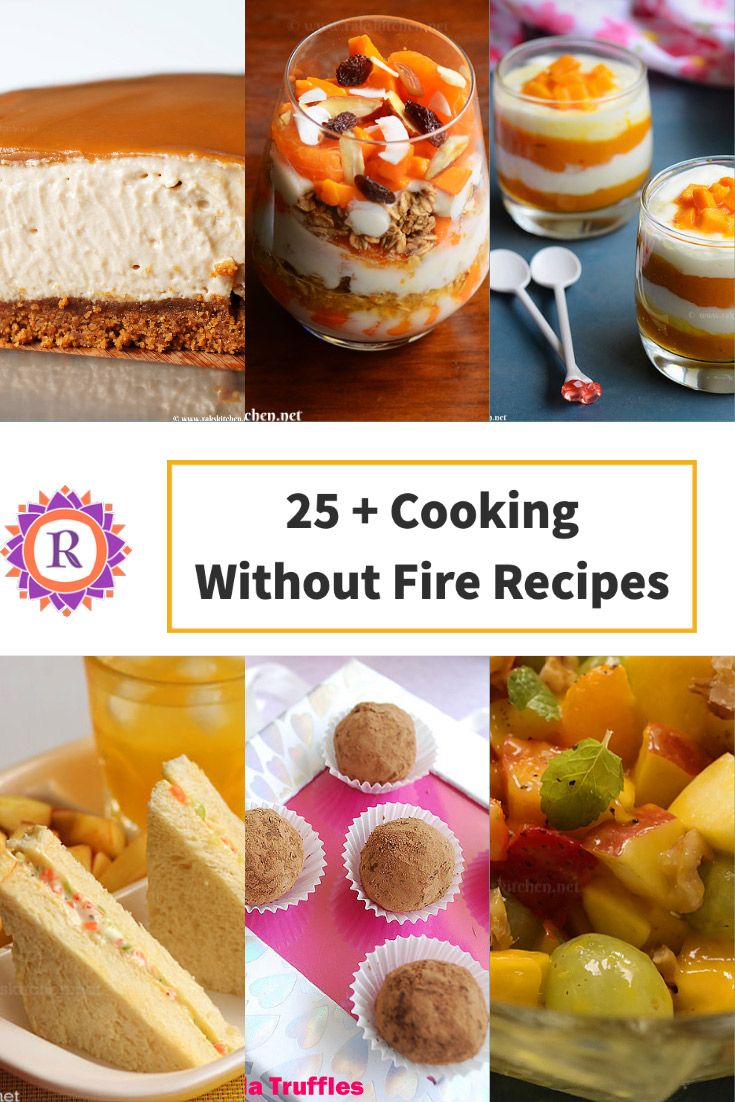

Simple ingredients like canned tuna, cooked chickpeas, cherry tomatoes, cucumbers, and herbs form the backbone of many no heat dishes. You can layer these in a jar for an easy grab-and-go lunch or toss them in a bowl with a squeeze of lemon and a drizzle of olive oil. This style of eating supports portion control, reduces cleanup, and keeps the kitchen cool, which is especially appealing during hot weather or in compact living spaces.
Salads and Grain Bowls
Salads and grain bowls are prime examples of cooking without fire with simple ingredients, relying on leafy greens, sturdy vegetables, and fiber rich bases. Cooked quinoa, brown rice, or pasta can be chilled and paired with raw or blanched veggies, nuts, and a bright vinaigrette. The variety of shapes, colors, and mouthfeels makes each bowl visually appealing and satisfying to eat.


You can build these meals to suit dietary preferences by adding plant based protein such as marinated tofu, tempeh, or beans, or animal based options like rotisserie chicken or sliced beef. A sprinkle of seeds, a handful of herbs, and a bold dressing tie the components together into a nourishing no fire dish that feels complete rather than improvised.
Wraps, Rolls, and Flatbreads
Wraps and rolls are another cornerstone of no fire cooking, using tortillas, lavash, or flatbreads as handheld vessels for layered flavors. Spread hummus, yogurt, or mashed avocado on the base, then top with crisp lettuce, sliced peppers, shredded carrot, and strips of cooked meat or beans. Rolling everything tightly keeps the ingredients secure and easy to handle.
For a fresh take, you can use large lettuce leaves or cabbage wraps as a low carb alternative to traditional bread. These vessels pair well with zesty sauces, fresh herbs, and crunchy vegetables, creating a balanced bite that is easy to customize for spice tolerance and taste preferences.


Flavor Building and Storage
Flavor building in cooking without fire with simple ingredients depends on smart use of acids, aromatics, and umami elements. Citrus juice, vinegars, soy sauce, miso paste, and aged cheeses can amplify the natural taste of vegetables, seafood, and dairy. Fresh garlic, ginger, onions, and herbs contribute aroma and depth without requiring heat to transform them.
Marinating vegetables and proteins for even a short time allows these bold flavors to penetrate the surface, turning simple pantry items into vibrant components. Quick pickled onions, chilies, or radishes add a bright pop on top of bowls, tacos, or open faced sandwiches, making every bite feel thoughtfully crafted.
Smart Pantry Staples
A well stocked pantry is essential for successful no fire cooking, providing a foundation of versatile ingredients. Canned beans, lentils, olives, capers, roasted nuts, and dried fruits can be combined with fresh produce to create texture rich dishes. Keeping jars of pre cooked grains, marinated artichokes, and seasoned tofu on hand speeds up meal assembly significantly.


Condiments such as mustard, mayonnaise, hot sauce, and flavored oils act as building blocks for dressings and spreads. When paired with quality bread or crackers, these staples allow you to create satisfying plates quickly, even on days when time and energy are limited.
Storage and Safety Tips
Because cooking without fire relies on raw or cooked but cooled ingredients, food safety becomes especially important. Keep perishable items refrigerated, use airtight containers, and monitor expiration dates to ensure freshness. When preparing meals in advance, portion them into smaller containers to limit repeated exposure to air and temperature fluctuations.
Labeling containers with the date and contents helps you use items in a timely manner and reduces waste. By treating no fire cooking with the same hygiene standards as traditional hot cooking, you can enjoy convenience without compromising health or quality.
Embracing cooking without fire with simple ingredients lets you redefine what a meal can be, focusing on ease, flavor, and flexibility. With a few well chosen tools and a curious mindset, your kitchen can remain a creative space regardless of whether the stove is on. Exploring new combinations, revisiting classic favorites in cold formats, and adjusting seasonings to match your mood will keep this style of eating exciting and sustainable over time.
Related Articles

Easy No Cook Snack Ideas Quick Simple Recipes
Discovering simple snacks to make without cooking opens up a world of fresh, vibrant flavors without stepping foot near a stove. These no cook recipes are...

Easy Chicken Breast Recipes: Quick & Simple with Few Ingredients
Craving a quick and delicious meal? Chicken breast is a versatile, lean protein that's perfect for easy, low-ingredient recipes. Whether you're short on time...

Easy Pumpkin Desserts: Simple Recipes with Few Ingredients
Autumn is here, and with it comes the comforting aroma of pumpkins wafting through the air. If you're like us, you're already dreaming of pumpkin desserts that...

Easy Vegan Desserts No Bake Simple Recipes Few Ingredients
Craving a sweet treat but want to keep it simple, vegan, and with minimal effort? No-bake desserts are your answer! These delightful creations require little...

Easy Healthy Chicken Crockpot Recipes Few Ingredients Quick Simple Meals
Craving a healthy, hearty meal without the hassle? Look no further than your trusty crockpot! With these easy, healthy chicken crockpot recipes using few...

Easy Crockpot Chicken Dinners: Quick & Simple Recipes with Few Ingredients
Craving a hearty, delicious dinner but short on time and ingredients? Look no further than these easy crockpot chicken dinner recipes that require few...