Creative Meal Ideas for Toddlers: Fun & Nutritious Recipes
Creative meal ideas for toddlers turn everyday eating into a playful adventure that supports growth and curiosity. At this age, children are exploring textures, colors, and tastes, so thoughtful planning can make mealtimes calm, joyful, and nutritious.
When you plan with imagination and structure, you can offer dishes that feel fresh while still being realistic on busy weeknights. The goal is to keep food fun, familiar, and flexible so toddlers feel safe to explore new flavors without pressure. Below are practical strategies that blend imagination with easy preparation and strong nutrition.
Turning Ordinary Ingredients into Playful Plates
You can transform simple staples like pasta, rice, and beans into visually engaging dishes that invite curiosity. By adjusting shapes, colors, and arrangements, you encourage toddlers to touch, smell, and taste without feeling forced.


Building meals around themes, such as a rainbow plate or a mini garden, gives the experience a gentle story that toddlers can follow. This structure helps them feel oriented while you quietly introduce new ingredients alongside familiar favorites.
Colorful Rainbow Bowls
Start with a base of whole grains, such as brown rice or quinoa, then add small portions of colorful vegetables like orange carrots, red bell peppers, and green peas. Each color group offers different vitamins and minerals, supporting immunity, digestion, and steady energy.


Encourage your toddler to create their own rainbow by arranging foods in a semi-circle around the bowl. You can talk about the colors gently, making the conversation playful rather than directive, so the child feels in control of the experience.
Food Faces and Mini Scenes
Use whole grain toast or a soft tortilla as a canvas, then top with slices of avocado for eyes, beans for a smile, and thin vegetable strips for hair. This approach turns a basic snack into a playful character that can ease resistance at the table.
For a scene on the plate, build a simple landscape with broccoli trees, carrot stick logs, and a dollop of yogurt as clouds. These creative meal ideas for toddlers work because they shift the focus from performance to storytelling, making the meal feel like shared exploration.


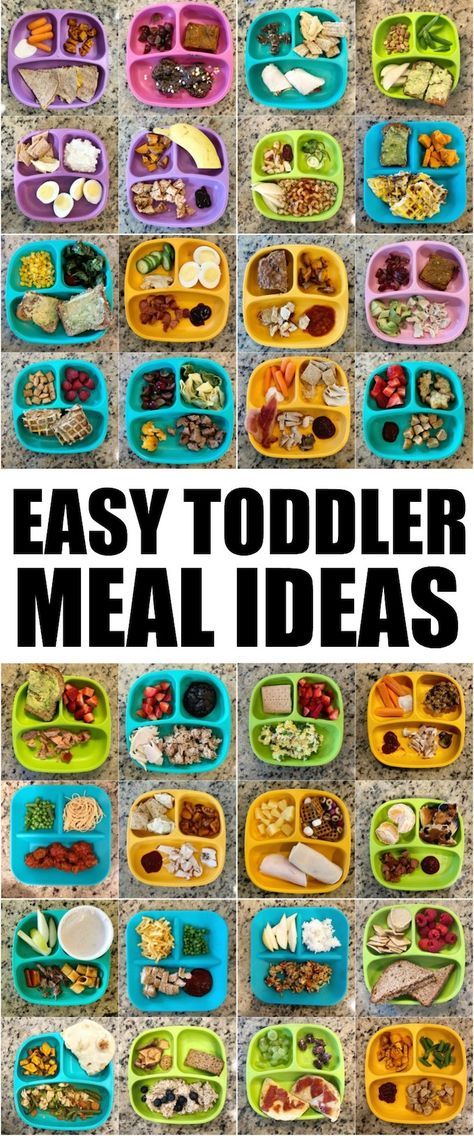


Interactive Meal Formats That Build Skills
Toddlers learn through movement and repetition, so offering finger foods, dips, and build-your-own setups supports both independence and fine motor development. When children have a role in the process, they are more likely to stay engaged and try new bites.
Interactive formats also reduce pressure during meals, because the child can focus on play while still tasting nutritious ingredients. You can rotate simple themes from week to week to keep the experience fresh without overwhelming your planning.
Dip, Dunk, and Discover
Serve sliced vegetables, soft fruits, and whole grain bread sticks with yogurt dip, hummus, or a thin bean spread. The act of dipping adds sensory fun and helps mask slightly bitter notes, making new foods more approachable.


Place small bowls of different dips on the table and let your toddler choose which one to try with each food. Offering gentle choices like this builds confidence and encourages cautious experimentation without direct pressure.
Build Your Own Mini Wraps
Provide small whole wheat tortillas, spreadable cheese or mashed beans, and finely chopped vegetables, then invite your toddler to assemble their own mini wrap. This activity supports decision-making and coordination as they spread, layer, and roll.
You can keep the fillings simple at first, such as cheese and sweet potato, then gradually introduce new textures like finely grated carrot or spinach mixed into the spread. Creative meal ideas for toddlers thrive when adults balance structure with freedom, allowing little hands to feel capable and curious.
Simple Themes to Spark Interest
Using themes can reduce mealtime negotiation, because the focus moves to the story rather than the specific food on the plate. Themes give you a flexible framework to repeat successful combinations while quietly introducing new ingredients.
Choose themes that connect to your child’s interests, such as animals, vehicles, or colors, and reflect them in the names and presentation of the dishes. You do not need elaborate decorations; small details like a playful name or a carefully placed vegetable can spark big imagination.
Animal Power Plates
Create meals named after animals your child admires, such as a lion plate with soft chicken pieces and a yogurt mane, or a bunny plate with fluffy cauliflower and carrot ears. You can shape bites with cookie cutters or simple knife cuts to suggest ears and tails.
Use herbs, seeds, or finely grated vegetables to add texture that mimics fur or feathers, making each bite feel like part of a small zoo. These creative meal ideas for toddlers invite them to use their imagination while consuming balanced proteins, grains, and vegetables.
Around the World Snack Stops
Introduce very simple global flavors by turning snacks into a mini journey, such as soft rice balls with a tiny sprinkle of toasted sesame, or small bowls of fruit with a whisper of cinnamon. Keep seasonings mild and focus on aromas and colors rather than strong spices.
Point to a simple map on the wall or use picture cards to show where the ingredients come from, making the meal quietly educational. This theme works especially well on days when you want to be creative meal ideas for toddlers without spending hours in the kitchen.
Practical Tips for Stress-Free Preparation
Planning ahead and using efficient techniques can make it easier to offer varied, creative meals even on demanding days. Small systems, such as batch cooking and smart storage, help you stay consistent without turning cooking into a daily chore.
Remember that flexibility is part of the process, because toddlers’ preferences can shift quickly. Treating each meal as another experiment in texture, color, and comfort helps you stay relaxed and responsive to your child’s changing needs.
Batch Cooking and Freezer Friendly Options
Prepare larger portions of grains, roasted vegetables, and cooked beans, then divide them into containers for quick assembly later. This approach saves time and makes it easy to combine familiar staples with new items on busy evenings.
Label containers with simple symbols or colors if your toddler is old enough to help with basic decisions, such as choosing the orange container that holds roasted carrots. Involving them in selection, even from a distance, builds curiosity about the food ahead of mealtime.
Simple Tools that Expand Possibility
A set of cookie cutters, small cookie sheets, and reusable silicone containers can help you shape sandwiches, fruits, and cheese into stars, hearts, or simple objects. These tools make it easy to rotate creative meal ideas for toddlers without spending extra time in the kitchen.
Use a small spiralizer or grater for vegetables like zucchini or carrot to add gentle texture variety, mixing the thin strands into pasta sauces or grated toppings. With a few reliable tools, you can keep meals visually interesting while supporting balanced nutrition.
As you explore these approaches, notice which foods and formats bring your toddler calm engagement, steady curiosity, and relaxed exploration. Over time, the patterns that work well become part of your everyday rhythm, giving both you and your child a sense of confidence at the table. Staying open to small tweaks and celebrating every curious bite will keep mealtimes enjoyable as your toddler’s tastes continue to grow.
Related Articles

Healthy Lunch Recipes for Work: Easy & Nutritious Meal Prep Ideas
Packing a healthy lunch for work can transform your afternoon energy and support your long term wellness goals. Instead of reaching for processed convenience...

Creative Dog Food Ideas Delicious Nutritious Recipes
Creative dog food moves far beyond the simple bowl of kibble, transforming mealtime into an engaging experience that speaks to a dog’s natural instincts. This...

Delicious Mexican Taco Meal Ideas For Quick Dinner Recipes
Craving a fiesta of flavors? Mexican taco meals are the perfect way to spice up your dinner routine. With a rich history and a vast array of ingredients...

Taco Party Menu Ideas: Creative Recipes for Your Fiesta
Planning a taco party is one of the most rewarding ways to feed a crowd without sacrificing flavor or your sanity. The combination of fresh ingredients, bold...

Budget Meal Ideas For Family Delicious And Affordable Recipes
Planning family meals on a tight budget is one of the most practical ways to reduce stress and boost savings without sacrificing flavor or togetherness...

Healthy Meat Salad Ideas 10 Delicious Nutritious Recipes
Healthy meat salad ideas offer a delicious and practical way to boost your energy while keeping your meals exciting and nutrient dense. Instead of viewing...