Creative Recycling Ideas Transforming Waste Into Wonder
Creative recycling ideas breathe new life into objects that might otherwise clutter landfills or sit forgotten in storage. Instead of viewing everyday items as disposable, this mindset turns your home into a laboratory of imagination where materials transform into decor, tools, and art. With a little curiosity, you can reduce waste while crafting solutions that are practical, personalized, and surprisingly satisfying.
When you approach reuse with an inventive lens, ordinary actions like sorting glass jars or folding fabric become opportunities for problem-solving and artistic expression. This approach not only lightens your ecological footprint but also challenges you to question how much value is hiding in overlooked corners of your space. By shifting perspective, you begin to see potential rather than refuse, and that shift can inspire entire communities to rethink consumption.
Transforming Household Waste into Functional Art
Turning everyday packaging into statement pieces starts with looking past the obvious purpose of an object. A stack of old magazines can become a colorful coaster set when cut and sealed with a bit of Mod Podge, while wine corks can be sliced and arranged into a rustic trivet for hot pans. These projects are beginner friendly, requiring minimal tools and almost no prior crafting experience.


Glass containers that once held sauces or snacks can be reimagined as pendant lamps, herb planters, or sleek storage vessels for desk supplies. By sanding, painting, or wrapping twine around the exterior, you mask any signs of their former life and create objects that feel curated rather than secondhand. The process encourages patience and attention to detail, qualities that translate into a more intentional relationship with the things you own.
Upcycling Furniture and Fixtures
An outdated chair or wobbly table can find new purpose with a coat of paint, new upholstery, or clever structural adjustments. Instead of discarding furniture with minor damage, consider how a replaced leg, hidden drawer, or fresh cushion could restore its function and charm. Upcycling in this way saves money, reduces demand for new resources, and often results in one of a kind pieces that reflect your personal story.


Wooden ladders, for instance, can be turned into vertical spice racks or towel hangers, while old doors laid across saw horses become sturdy farmhouse style desks. These adaptations honor the original material while responding to modern needs, proving that function and aesthetics can evolve together without requiring a trip to the landfill.
Repurposing Textiles and Fabrics
Fabric scraps from old clothing, sheets, or curtains can be sewn into patchwork quilts, reusable shopping bags, or braided rugs that add warmth to any room. Even if your sewing skills are limited, no sew methods such as knotting, fabric glue, or fusible webbing offer accessible alternatives for creating durable items. The key is to focus on texture and color combinations that turn what was once clothing into bold, expressive design elements.
Worn out t shirts transform into soft yarn for crocheting baskets or reusable produce bags, reducing the need for single use plastics at the grocery store. By giving textiles a second life, you conserve the water and energy required to manufacture new garments while cultivating a wardrobe and home that feel uniquely yours.


Creative Reuse in Everyday Organization
Creative recycling ideas extend beyond decoration into the realm of daily organization, where small containers can replace expensive storage solutions. Tin cans cleaned and wrapped in patterned paper become chic desk organizers, while egg cartons function as seed starting trays for your garden. These simple shifts help you cultivate order without generating additional packaging waste.
Such systems work because they are tailored to your exact needs, turning what would be disposable packaging into modular units that adapt to changing requirements. You are more likely to maintain these structures when they reflect your personal aesthetic rather than generic store bought products, and that consistency reinforces sustainable habits over time.
Organizing Kids and Hobby Supplies
Parents and hobbyists alike can benefit from repurposed containers that keep small parts visible and accessible. Mason jars can hold beads, screws, or paint brushes, while cardboard tubes from paper towels become cord organizers or craft supply holders for kids. The transparency of glass reduces time spent searching for tools, which supports a smoother daily routine.
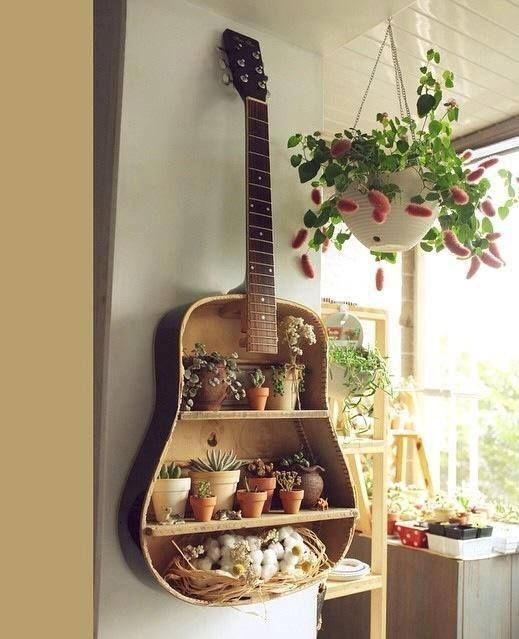


Labeling each container with handwritten tags or painted symbols adds a playful touch while making it easy for multiple people to share the same space. This approach encourages collaboration, especially when children help decorate and arrange their own storage, turning organization into a shared creative activity rather than a chore.
Maximizing Space in Compact Living Areas
In smaller homes or apartments, creative recycling shines as a strategy for optimizing every available inch. Stacked cereal boxes covered in decorative paper can function as modular shelves, while dresser drawers turned on their side become shallow storage units under a bed. These solutions require little investment yet deliver a high impact on perceived space and functionality.
By measuring your dimensions carefully and planning each repurposed piece, you avoid clutter and ensure that each object earns its place. The result is a living area that feels curated and efficient, where storage doubles as décor and every item has a designated home, reducing the temptation to purchase unnecessary gadgets.
Community Benefits and Sustainable Habits
When you embrace creative recycling ideas, the positive effects often extend beyond your immediate surroundings. Donating transformed items to local schools, community centers, or shelters allows others to benefit from your ingenuity while diverting materials from waste streams. Such gestures strengthen neighborhood ties and demonstrate that resourcefulness can be both practical and generous.
Over time, these practices can influence the broader culture by normalizing reuse and encouraging friends and neighbors to adopt similar habits. As more people participate, the collective reduction in waste contributes to cleaner public spaces and less pressure on landfills and manufacturing systems. Your personal projects may even inspire local workshops or swaps, turning solitary creativity into a shared movement.
Exploring creative recycling ideas keeps your environment dynamic, allowing you to respond to changing needs without constantly acquiring new products. Each project sharpens your problem solving skills and deepens your appreciation for materials, fostering a lifestyle in which resourcefulness feels rewarding rather than restrictive. By continuing to experiment, you open the door to ever evolving spaces that reflect both ingenuity and care for the world around you.
Related Articles
Creative Paper Recycling Ideas Transforming Waste Into Wonder
Turning what would normally be trash into treasured creations is one of the most satisfying ways to support a sustainable home, and creative paper recycling...

Creative Recycling Tires Ideas Transforming Waste Into Wonder
Tires are a critical component of our daily lives, enabling transportation and mobility. However, once they reach the end of their useful life, they pose...

Creative Recycling Bin Ideas Transforming Waste Into Art Eco Friendly Home Decor
Transforming your trash into treasure starts right under your sink with creative recycling bin ideas that turn everyday waste into organized, stylish...

Creative Recycle Tires Ideas Transforming Waste Into Wonder
Did you know that over 3 billion tires are discarded annually worldwide, contributing significantly to landfill waste and environmental pollution? The good...

100 Creative Recycling Ideas: Turn Waste into Treasure
Turning everyday waste into useful items and creative projects is a practical way to shrink your landfill footprint while sparking imagination. This guide...

Creative Recycling Ideas: Transform Waste into Treasure
In the pursuit of a sustainable future, recycling has emerged as a powerful tool. It not only conserves natural resources but also reduces waste sent to...