Stunning Curtain Hanging Ideas For Living Room Décor To Elevate Your Space
Transforming your living room often starts with the softest element in the space, and thoughtful curtain hanging ideas for living room can completely redefine the atmosphere. The way you suspend fabric above a window influences not only style but also light control, privacy, and the perceived scale of the entire room. Choosing the right approach turns a practical necessity into a deliberate design statement that frames your view of the world.
Whether you are refreshing a familiar layout or planning a full makeover, curtain hanging ideas for living room offer a flexible way to inject personality into your everyday surroundings. With countless rod placements, hardware finishes, and fold techniques available, you can tailor each detail to match your unique taste and the existing architecture of your home. This guide explores multiple strategies to help you create a polished, intentional look that feels both welcoming and curated.
Strategic Rod Placement and Height
The foundation of any beautiful window treatment begins with the curtain rod, and its positioning dramatically changes the visual weight of the window. Hanging the rod several inches above the frame, rather than flush with it, creates a built-in sense of drama and elongates the glass area. This technique is especially effective in smaller rooms where maximizing light and sightlines is essential for an airy, open feel.


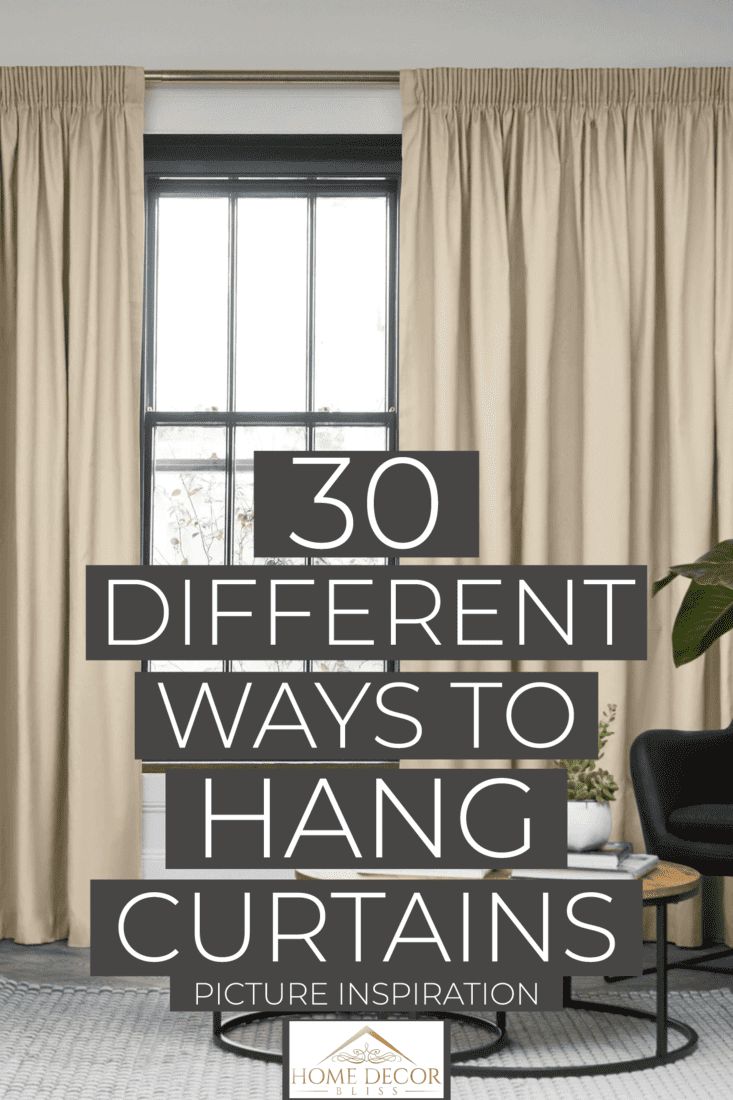
Extending the rod beyond the window frame by at least six to twelve inches on each side allows the curtains to stack neatly when open, revealing the full window to natural light. For curtain hanging ideas for living room that maximize brightness, this simple adjustment ensures the glass becomes a true feature, even when the drapes are drawn. Pairing this approach with a ceiling-mounted rod can further exaggerate vertical height, making the walls feel taller and more expansive.
Mounting Close to the Ceiling
Positioning the rod near the ceiling line is a favorite among interior designers because it draws the eye upward and creates a seamless transition between wall and window. This method works beautifully in rooms with high ceilings or when you want to emphasize vertical lines over horizontal ones. By keeping the fabric away from the window frame, you also reduce the risk of the panels scraping against trim or getting caught when opening and closing.


When you opt for curtain hanging ideas for living room that place the rod higher, choose a lightweight fabric that flows gracefully, avoiding materials that feel too heavy for the rod to support. A rod with a smooth, dark finish can act like a minimalist picture rail, anchoring the color palette without competing for attention. This subtle change often makes the entire wall feel more intentional and refined.
Extending Beyond the Window Frame
Another powerful strategy is to ignore the strict boundaries of the window and treat the rod as a design element that spans a larger section of the wall. This approach is ideal for curtain hanging ideas for living room that prioritize drama and fullness, as it allows the panels to pool gently on the floor and frame the window like a piece of art. The extra width also gives you more flexibility in how the curtains drape when closed.
For a balanced look, aim to have the rod extend roughly fifteen to twenty inches past each side of the window, creating a symmetrical frame that feels generous yet controlled. When combined with a bold rod finish or a contrasting finial, this technique can turn a standard window into a striking focal point in the living room.


Fabric Choices and Drape Style
The material you select plays a crucial role in how your curtains function and feel within the space, influencing everything from insulation to ambient light. Heavy fabrics like velvet or chenille absorb sound and block harsh sunlight, while sheer layers soften the view and create a gentle, glowing backdrop. Considering the primary purpose of the window—whether for privacy, light filtering, or theatrical impact—helps narrow down the best fabric options.
Layering two types of fabric, such as a sheer panel paired with a lined drape, is one of the most versatile curtain hanging ideas for living room because it offers multiple modes of use throughout the day. You can enjoy a soft, filtered glow in the morning and switch to a moodier, insulated look in the evening with a simple pull. This dual approach also allows you to experiment with different colors and textures without committing to a single, permanent style.
Sheer and Light Filtering
Sheer curtains introduce texture and depth without obscuring the view, making them perfect for rooms that face busy streets or neighboring windows. When combined with a secondary lining, they provide a practical solution for controlling glare on screens and protecting furniture from UV damage. For curtain hanging ideas for living room focused on modern minimalism, sheers can create an ethereal backdrop that makes the space feel larger and more connected to the outdoors.


Consider mounting the sheer layer slightly higher than the main drape to allow both panels to stack together neatly when open. This design tweak maintains a clean sightline while preserving the airy quality of the lightweight fabric. Choosing a soft neutral palette enhances the illusion of space and pairs easily with changing seasonal decor.
Heavy and Insulated Drapes
In spaces where temperature control is a priority, dense fabrics like wool blends, tweed, or thermal-lined curtains offer both style and substance. These materials help reduce heat loss during winter and keep the room cooler in the summer, contributing to energy efficiency. When planning curtain hanging ideas for living room solutions that address climate, remember that heavier fabrics often require a robust rod and secure brackets to prevent sagging.
Layering a heavy main curtain with a slimlined valance or a thin cornice can soften the overall appearance while maintaining the functional benefits. Neutral tones such as charcoal, deep navy, or warm greys integrate seamlessly with existing furniture, allowing the design to stay timeless rather than trend-driven.
Hardware, Color, and Detail
Curtain rods, finials, and brackets are more than just support structures; they are key decorative components that frame the window and set the tone for the room. Choosing a finish that coordinates with your existing hardware—such as door handles, lighting, and furniture legs—brings a cohesive look to the space. Mixed metals can work intentionally if you keep the palette limited and balanced, but a unified finish often feels more harmonious in smaller interiors.
For a contemporary aesthetic, sleek metal rods in brushed nickel or matte black work well with clean lines and neutral walls. Alternatively, warmer woods or painted finishes can introduce a cozy, traditional vibe that complements classic furnishings. When exploring curtain hanging ideas for living room, do not overlook subtle details like decorative brackets or concealed tension rods that allow for creative placement without permanent installation.
Finials and Decorative Accents
Finials are the small caps that sit on top of the rod ends, and even a simple curve or geometric shape can add a touch of personality. Ornate finials suit traditional schemes, while cylindrical or minimal shapes align with modern tastes. Selecting finials that echo other metallic elements in the room, such as picture frames or lamp bases, helps tie the design together subtly yet effectively.
Decorative brackets can also act as quiet works of art, especially when placed behind stacked panels or in pairs that create symmetry. For curtain hanging ideas for living room projects where the hardware is more visible, choose finishes that complement rather than compete with the surrounding decor. A cohesive hardware palette ensures the windows enhance rather than disrupt the overall layout.
Color Coordination and Hidden Hardware
Painting the rod the same color as the wall or ceiling is a timeless trick to make the hardware recede and emphasize the fabric itself. This approach is ideal when you want the curtains to be the main visual element without interference from the mounting system. Conversely, a contrasting rod can define the window as a distinct feature, especially in spaces with large expanses of wall or neutral color schemes.
If you prefer a cleaner look, consider using a ceiling-mounted track system that hides the mechanism entirely while providing a smooth, seamless suspension point. This option works well for contemporary interiors focused on clean lines and uncluttered aesthetics. Thoughtful hardware decisions make it easier to update other elements of the room without a full redesign.
Pattern, Scale, and Visual Balance
Patterned curtains can become the hero of the living room, but they require careful planning to avoid overwhelming the space. When working with bold stripes, florals, or geometric prints, keep surrounding elements neutral to let the window treatment shine. Consider the scale of the pattern in relation to the window size—large-scale prints work better on wide walls, while smaller motifs suit more compact settings.
One of the most effective curtain hanging ideas for living room is to match the scale of the pattern to the function of the room. In a space used for both relaxing and entertaining, a medium-scale design often strikes the right balance between interest and harmony. This ensures the window remains a focal point without clashing with other statement pieces like artwork or feature walls.
Solid Colors for Versatility
Solid-colored curtains provide a timeless backdrop that easily accommodates changing decor, seasonal accents, and new furniture pieces. Neutral tones such as beige, greys, and soft blues create a calming atmosphere, while deeper shades add richness and intimacy. When you select a solid hue, you gain the flexibility to introduce pattern through cushions, rugs, or artwork without overloading the visual field.
For a subtle yet intentional look, choose a curtain color that is slightly darker or lighter than the wall. This contrast defines the window while maintaining a cohesive palette. Layering a solid main curtain with a patterned tie-back or cushion can introduce subtle visual interest without the need for loud prints.
Mixing Patterns with Confidence
Combining different patterns is an advanced but rewarding approach to curtain styling, provided there is a clear connection between motifs. This might be achieved through shared colors, similar line thickness, or complementary scales—such as pairing small polka dots with subtle herringbone weaves. When done well, mixed patterns create depth and a sense of curated sophistication that feels anything than chaotic.
Start with a dominant pattern on the main panels and introduce a secondary motif in smaller doses, such as on tiebacks, valances, or adjacent textiles. For curtain hanging ideas for living room applications where confidence is key, maintain a consistent color family to unify the different designs. Keeping one element neutral, such as the rod or surrounding walls, prevents the overall look from becoming too busy.
Related Articles

Elevate Your Space: Black Sofa Curtain Ideas for Living Room
Choosing curtains for living room with black sofa opens up a world of design possibilities, allowing you to transform a stark, modern look into something...

Stunning Black Sofa Curtain Ideas to Elevate Your Living Room Decor
Black sofa curtain ideas can transform your living room into a moody, sophisticated sanctuary that feels both modern and inviting. When you pair a deep...

Cool Lighting Ideas for Living Room: Transform Your Space with Stunning Ambiance
Transforming your living room with cool lighting ideas can completely redefine the mood and functionality of your main living space. The right lighting layers...

What Color Curtains for Living Room: 10 Stunning Ideas to Transform Your Space
When it comes to transforming your living room into a cozy, inviting space, the right color curtains can make all the difference. They not only control light...

Stunning Curtain Drapes Ideas For Living Room Décor 2024
Choosing the right curtain drapes ideas for living room can completely transform the atmosphere of your main gathering space, adding layers of style, comfort...

Black and White Living Room Curtain Ideas 20 Stunning Designs for Modern Décor
Transforming your living room into a sleek, sophisticated space often starts with the right window treatments. Black and white living room curtain ideas offer...