Cute Family Nicknames: Heartwarming Ideas for Your Clan
Family nicknames are the playful code words that turn an ordinary household into a tiny kingdom of inside jokes, where every quirky phrase carries warmth and shared history. These little labels stick to us from childhood and often stay for decades, shaping how we see ourselves and how others see us. A cute family nickname can be as simple as swapping a syllable or using a silly sound, and yet it carries a depth of affection that formal names rarely capture.
Whether they come from mispronounced baby words, physical traits, or memorable moments, these terms glue families together across generations. They show up in everyday conversations, in birthday cards, and in the stories people tell when a loved one is far away. Because they feel so personal, learning how to create and use them thoughtfully can make family life feel more playful, connected, and joyful.
First Main Topic
Understanding where cute family nicknames come from helps families appreciate the creativity behind each label. Many of these names begin as accidental slip ups or baby babble that sticks, evolving into a permanent part of a person’s identity. Others are born from shared jokes, cultural phrases, or even the way someone moves or laughs, turning an everyday detail into a cherished badge of belonging.


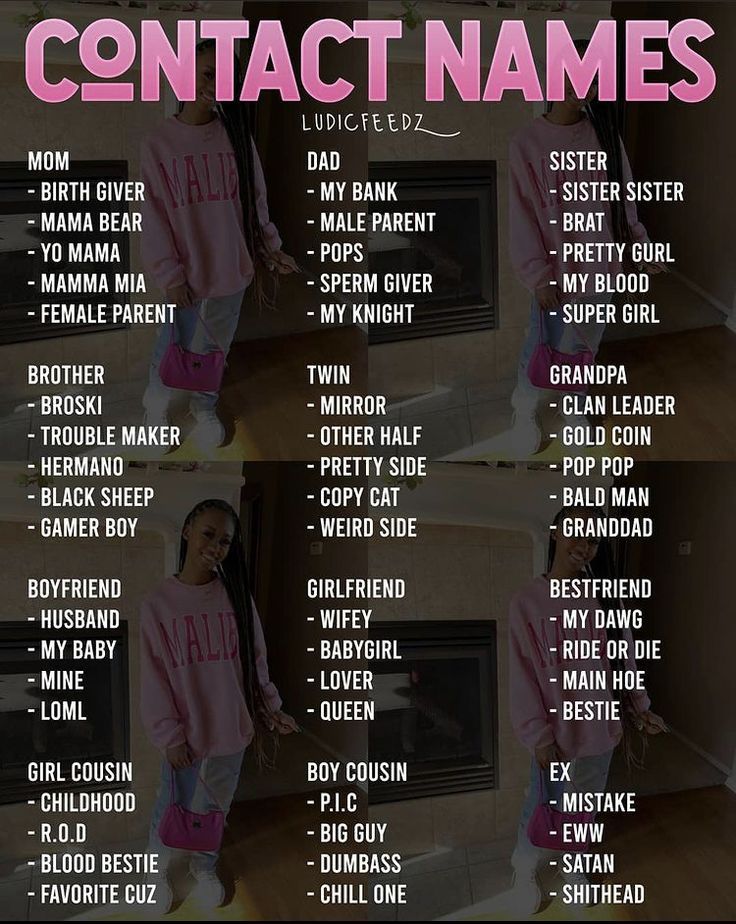
These nicknames also act as tiny time machines, instantly pulling people back to specific memories, like a funny bedtime story or a silly trip to the park. They give family members a playful shorthand that says, "you know me better than anyone," while also celebrating individuality in a way that feels safe and loving. Using them regularly can strengthen bonds, especially during tough times when a familiar label can spark a smile.
Sub-topic A
One classic way cute family nicknames are born is through linguistic play, where sounds are softened, repeated, or twisted into something that rolls off the tongue easily. Baby words often start with simple consonant changes, turning “Sophie” into “Soffy” or “Daddy” into “Dada,” creating a rhythm that feels natural for little mouths to learn and for adults to use affectionately.


For example, a grandparent might turn “Robert” into “Robby Bear” by blending a name with a favorite animal, instantly adding a layer of warmth and protectiveness to the relationship. This kind of playful adaptation keeps language flexible and shows how families invent unique ways to express love through sound, making each nickname a small work of art.
Sub-topic B
Physical traits and habits also spark many of the most memorable cute family nicknames, especially when a characteristic becomes endearing rather than just descriptive. A child who sleeps with a crooked teddy bear might be called “Wobbly,” while someone with a bright smile could be dubbed “Sunbeam” by relatives who notice how their face lights up a room.
Over time, these labels move beyond simple observation and become symbols of affection, reminding everyone of a cherished quirk. They can even help diffuse minor embarrassment, turning something like a big nose or a loud laugh into a joyful family emblem that is celebrated rather than hidden.


Second Main Topic
As children grow into teens and adults, cute family nicknames often shift in tone and style, reflecting new personalities while still honoring their roots. A toddler called “Pumpkin” might later become “Spark” or “Ace” as their interests change, but the underlying feeling of being cherished stays the same. This evolution shows that family language can grow alongside each person, staying relevant through every life stage.
Adults, too, enjoy reshaping old pet names or inventing new ones for parents and siblings, especially during milestone events like weddings, new jobs, or the birth of the next generation. These updated nicknames carry respect and pride while keeping the playful spirit that made them meaningful in the first place.
Sub-topic C
Cultural background often plays a strong role in shaping cute family nicknames, with different languages offering unique sounds and rhythms that feel especially cozy. In some cultures, adding playful suffixes or using terms of endearment in the native language becomes the everyday way to show care, even when speaking a mix of languages at home.


These culturally rooted names can become a bridge between generations, helping younger family members connect with their heritage while still enjoying fresh, modern twists. They also invite relatives from different backgrounds to learn and use special words, turning language itself into an act of love and inclusion.
Sub-topic D
Technology and long distance communication have given cute family nicknames new life, as people send voice notes, texts, and video calls using these labels to keep closeness alive. Saying “Good morning, Sunshine” in a quick message or starting a group chat with a silly family emoji can make busy days feel more connected and supported.
Families spread across cities or countries often rely on these short, affectionate phrases to maintain their unique rhythm of speech, proving that even miles apart, a familiar nickname can sound like a warm hug. Social media posts, digital photo albums, and shared playlists can all become places where these playful names live and are celebrated.
Exploring the world of cute family nicknames reminds us how small words can carry big feelings, turning ordinary moments into lasting memories that define a family’s story. Paying attention to how these names appear, change, and are passed down can inspire new traditions that reflect both playfulness and respect for each person’s journey. Taking a moment to create, share, and celebrate these labels today can keep the laughter and connection growing well into the future.
Related Articles

Cute Adopt Me Pet Name Ideas: Inspire Your New Family Member
Choosing the perfect cute adopt me pet name ideas can turn a simple adoption into the start of a beautiful friendship, giving your new companion an identity...

Cute Boyfriend Nicknames: 20 Adorable Ideas for Your Contact List
Choosing cute nicknames for boyfriend contact can instantly make your text threads feel warmer and more personal. These small verbal endearments act like...

Cute Jaiden Nicknames: Adorable Ideas for Your Little One
Finding the perfect cute nicknames for Jaiden can feel like discovering a secret treasure that only your closest circle understands. This journey turns an...

Cute TikTok Nicknames For Your Name - Trendy Handle Ideas
Choosing cute nicknames for TikTok with your name is a fun way to build a memorable brand and connect with your audience right from the first view. These...

Valentine's Day Bento: Cute & Creative Ideas for Your Love
Valentine's Day bento turns an ordinary lunch into a heartfelt visual promise, wrapping love in layers of flavor and color. This curated meal trend blends...

Create Stunning Family Collage Walls Ideas for Your Home
Family collage walls transform ordinary walls into emotional anchors that capture the evolving story of your household. Instead of hiding memories behind...