Difference Between Loggia and Patio: Complete Outdoor Space Guide
Understanding the subtle contrast between a loggia and a patio is essential when you are planning an ideal outdoor extension for your home, as each option offers a distinct way to connect interior living with the surrounding landscape. Both structures enhance natural light and expand usable square footage, yet they differ significantly in design, function, and architectural compatibility, which influences how you will use the space on a daily basis. Choosing between them depends on your lifestyle, climate, and aesthetic goals, making it important to clarify exactly what sets these two popular outdoor rooms apart before you begin your project.
While the terms loggia and patio are often used interchangeably in casual conversation, they refer to fundamentally different architectural elements that serve unique purposes in a home. A loggia is typically a roofed, open-sided gallery or porch that is attached to the main structure, forming a transitional space that feels enclosed yet open. In contrast, a patio is generally an outdoor courtyard or paved area that sits at ground level, functioning as an extension of the outdoor environment rather than a covered retreat. Recognizing these distinctions helps homeowners make informed decisions that align with their design vision and practical needs.
Architectural Definition and Placement
The architectural definition of a loggia centers on its character as a semi-enclosed gallery, often featuring arches, columns, or screens, and located on the upper stories or at one end of a building. This structure usually has a roof but open sides, creating a sheltered vantage point that blends interior comfort with exterior scenery. Because it is integrated into the main façade, a loggia often serves as an elegant bridge between formal living areas and the surrounding landscape, offering a sense of grandeur and continuity to the overall design.


In contrast, the placement of a patio is typically at ground level, directly adjoining the house, and may be fully open to the elements or partially screened by vegetation or fencing. Unlike a loggia, a patio does not require a roof or elevated positioning, which makes it a flexible solution for a wide range of properties, from compact urban lots to sprawling suburban estates. Its accessibility and connection to gardens, pools, or yards make it a practical foundation for outdoor dining, lounging, and entertaining, especially in regions with favorable weather.
Design and Structural Characteristics
The design of a loggia is inherently architectural, often showcasing structural elements such as columns, pilasters, decorative railings, and arched openings that reflect classical or traditional influences. These features contribute to a more formal aesthetic, and the roof may be supported by the main building structure, creating a seamless visual flow. Because of these design requirements, a loggia tends to be more integrated into the original construction plans or added as a sophisticated extension that complements the existing architecture.


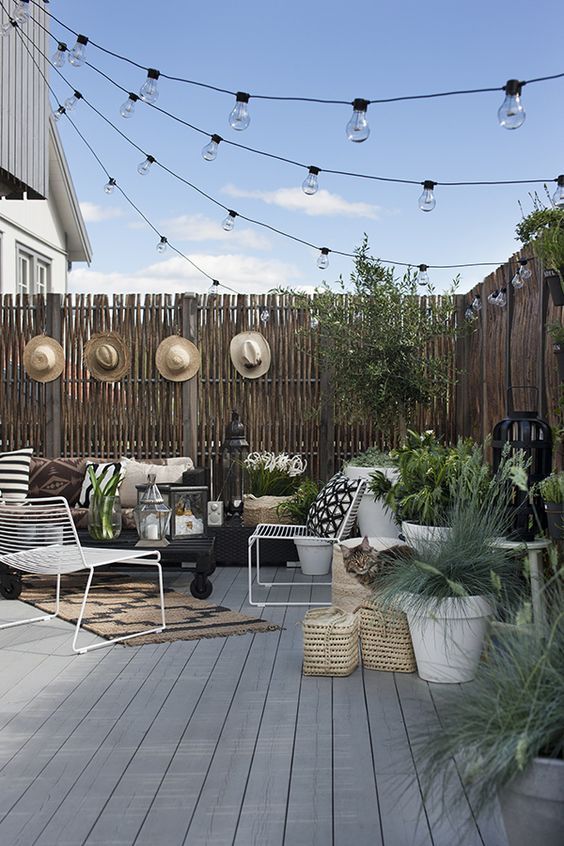
On the other hand, the structural characteristics of a patio are generally simpler and more adaptable, relying on flat, paved surfaces such as stone, concrete, brick, or tile. A patio may be framed by low walls, planters, or outdoor furniture, but it does not usually require complex load-bearing elements or intricate detailing. This simplicity allows for more flexibility in size and shape, enabling homeowners to customize the layout to fit odd spaces or specific functional needs, from intimate coffee corners to expansive entertainment zones.
Functional Use and Atmosphere
Functionally, a loggia often serves as a refined outdoor room that is ideal for relaxation, reading, or enjoying views while remaining protected from direct sun and rain. Its semi-enclosed nature creates a calm, intimate atmosphere that feels separate from the bustle of the main living areas yet still connected to them. This makes it particularly appealing in historic or Mediterranean-style homes where formality, shade, and scenic overlooks are prioritized, turning the space into a quiet retreat within the architectural composition.
In comparison, the function of a patio emphasizes activity, gathering, and direct engagement with the outdoors. Because it is usually more exposed, it becomes a natural setting for barbecues, family games, and casual conversations under the open sky. The atmosphere can be adjusted easily with movable furniture, outdoor heaters, or shade structures, allowing the space to evolve with the seasons and support a wide range of social and recreational activities.


Design Flexibility and Climate Considerations
When evaluating design flexibility, a patio generally offers greater freedom in terms of size, shape, and placement, since it does not need to conform to the structural demands of an elevated or integrated gallery. Homeowners can install a patio almost anywhere in the yard, whether beside the kitchen, behind the garage, or wrapping around the front entrance. This versatility makes patios especially popular for modern and minimalist properties, where clean lines and direct access to green spaces are central to the design concept.
Climate plays a crucial role in determining which option is more suitable for a given location, and this factor heavily influences the comparison between loggia and patio. A loggia provides built-in protection from sun, wind, and rain, making it a comfortable year-round space in regions with harsh weather or intense sunlight. Meanwhile, a patio is more dependent on external additions such as pergolas, umbrellas, or outdoor heaters to remain usable during colder or wetter months, which can affect both comfort and long-term usability.
Material Choices and Maintenance
The material choices for a loggia often reflect a more traditional or upscale finish, including stone columns, wooden beams, tiled roofs, and decorative metalwork. These elements require regular maintenance to preserve their appearance and structural integrity, especially in environments with high moisture or temperature fluctuations. However, when properly cared for, the rich materials used in a loggia can enhance the perceived value of the home and maintain their classic appeal for decades.


Patios, by contrast, offer a wide range of material options, from natural stone and brick to composite decking and stamped concrete, each with its own maintenance requirements. Homeowners can choose materials that match their lifestyle, opting for low-upkeep surfaces that resist staining and fading. Because a patio is more exposed to the elements and foot traffic, selecting durable, weather-resistant materials becomes essential to ensure long-term satisfaction and reduce the need for frequent repairs or refinishing.
Cost, Planning, and Return on Investment
Cost and planning complexity tend to be higher for a loggia, given its structural requirements, architectural detailing, and integration with the existing building. Constructing a loggia often involves engineering considerations, permits, and skilled craftsmanship, which can increase both the timeline and budget of the project. Nevertheless, for homeowners seeking to add architectural character and upscale outdoor living space, a well-designed loggia can significantly elevate the aesthetic and functional value of the property.
Planning a patio is generally more straightforward and budget-friendly, especially for basic layouts that require minimal site preparation and simple materials. Even more complex patio designs, such as those with multi-level tiers or integrated planters, usually involve lower costs than a full loggia addition. From a return on investment perspective, both features can boost curb appeal and outdoor usability, but a patio often delivers faster, more tangible benefits in terms of everyday enjoyment and ease of use.
Choosing between a loggia and a patio ultimately comes down to how you envision spending time in your outdoor space and the architectural language you want your home to express. If you are drawn to a shaded, gracefully connected area that feels like an extension of your interior, a loggia may be the ideal choice. If you prefer a versatile, open-air space that encourages movement, gatherings, and year-round activity, a patio likely aligns better with your lifestyle. By weighing these differences thoughtfully, you can create an outdoor environment that feels authentic to your home and uniquely suited to the way you live.
Related Articles

What Is the Difference Between Cool White and Warm White Christmas Lights? A Complete Guide
When it comes to choosing the perfect Christmas lights, the decision often boils down to two popular options: cool white and warm white. Both offer a festive...

What Is The Difference Between Fraternal And Identical Twins: A Complete Guide
When people think about twins, the image of two nearly identical children often comes to mind, but the reality is far more nuanced than a simple visual match...

Difference Between Screened In Porch and 3 Season Room: Complete Guide
When it comes to enhancing your home's living space and enjoyment, two popular options often considered are screened-in porches and three-season rooms. Both...

Roof Attached Patio: The Ultimate Guide to Expanding Your Living Space
A roof attached patio offers a seamless way to bring the comfort of your indoor living space directly under the shelter of your roof line, creating an ideal...

Zen Outdoor Patio Ideas: Transform Your Space into a Serene Oasis
Creating a peaceful retreat right outside your door starts with thoughtful zen outdoor patio ideas that calm the mind and soothe the spirit. A well designed...

Difference Between Wallpaper and Wall Panels: The Ultimate Guide
Choosing the right surface treatment for your walls can dramatically change the atmosphere and perceived size of a room, yet many people struggle to...