Dirty Kitchen Designs Philippines: Transform Your Space
In the bustling archipelago of the Philippines, where culinary traditions run deep and family gatherings often revolve around the kitchen, the design of this space holds significant importance. However, not all kitchens are created equal, and some may fall short in terms of cleanliness and functionality. Let's delve into the world of 'dirty kitchen designs' in the Philippines, exploring common issues, their impacts, and how to address them.
Dirty kitchen designs aren't just about aesthetics; they can significantly affect your health and daily life. From harboring bacteria to hindering productivity, a poorly designed kitchen can cause more harm than good. By understanding these issues, we can work towards creating cleaner, more efficient kitchen spaces.
Common Issues in Dirty Kitchen Designs in the Philippines
The Philippines, with its unique cultural blend and tropical climate, faces specific challenges in kitchen design. Here are some common issues found in dirty kitchen designs across the country:


1. **Lack of Ventilation**: The tropical climate can lead to excessive moisture and heat, promoting the growth of mold and bacteria. Many Filipino kitchens lack adequate ventilation, leading to condensation and a buildup of grease and odor.
Impact on Health
Poor ventilation can lead to respiratory issues, allergies, and even the spread of airborne illnesses. It also creates an ideal environment for pests like cockroaches and rats, which can carry diseases.


**Example**: A study by the World Health Organization found that indoor air pollution, often exacerbated by poor kitchen ventilation, is responsible for nearly 4 million deaths per year worldwide.
Impact on Cooking Experience
Without proper ventilation, kitchens can become stuffy and uncomfortable, making cooking a chore rather than a joy. This can also lead to a buildup of smoke and steam, making it difficult to see and work safely.
Solutions for a Cleaner, Healthier Kitchen
Addressing these issues requires a holistic approach, combining design principles, regular maintenance, and good habits.
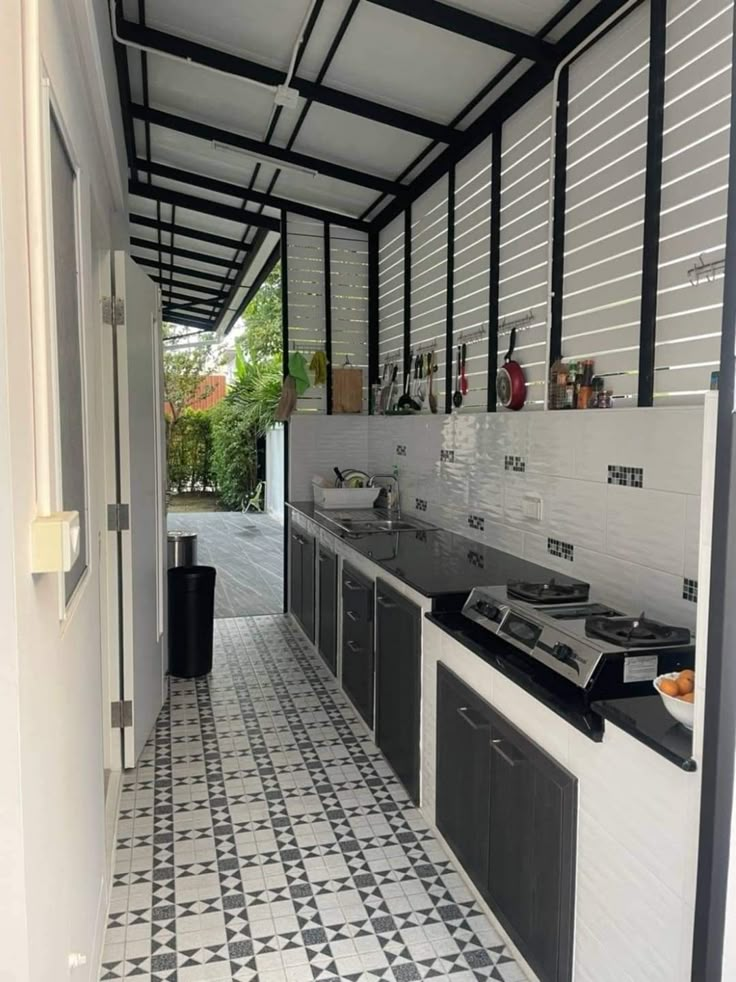


1. **Improve Ventilation**: Installing range hoods or exhaust fans can significantly improve air quality. For a more natural approach, consider incorporating windows and skylights to allow for cross-ventilation.
Design Considerations
When designing or renovating your kitchen, consider the layout and placement of appliances to maximize airflow. For instance, placing the stove away from windows can help prevent smoke from escaping and making the kitchen stuffy.
**Example**: In many Filipino homes, the kitchen is often an open space connected to the living area. Incorporating a partial wall or screen can help contain heat and smoke while still allowing for visual connection.


Regular Maintenance
Regular cleaning and maintenance are crucial to keeping your kitchen clean and healthy. This includes cleaning appliances, wiping down counters, sweeping and mopping floors, and disposing of trash regularly.
The Role of Kitchen Layout and Design in Cleanliness
Beyond ventilation, the layout and design of your kitchen play a significant role in maintaining cleanliness.
1. **Work Triangle**: The work triangle, consisting of the sink, stove, and refrigerator, should be designed for efficiency. A well-planned layout can minimize steps and reduce clutter, making it easier to clean and maintain the space.
Counter Space and Storage
Sufficient counter space and storage are essential for keeping surfaces clean and organized. Adequate storage can help reduce clutter and make it easier to find and access tools and ingredients, while counter space provides room for prep work and cleaning.
**Example**: In many Filipino kitchens, the use of hanging racks and wall-mounted shelves can maximize storage space and keep countertops clear.
Easy-to-Clean Materials
Choosing materials that are easy to clean and maintain can significantly reduce the effort required to keep your kitchen clean. This includes surfaces like quartz or granite countertops, sealed wooden cabinets, and non-porous flooring options like tiles or vinyl.
In conclusion, creating a clean and healthy kitchen in the Philippines requires a multifaceted approach that combines design principles, regular maintenance, and good habits. By understanding the unique challenges faced by Filipino kitchens and addressing them proactively, we can transform our kitchens into spaces that not only serve our culinary needs but also promote our well-being and enhance our daily lives.
Related Articles

Kitchen Patio Designs: Transform Your Space
Transforming your outdoor space into an inviting extension of your home is a delightful endeavor, and few projects achieve this as effectively as designing a...

Dirty Kitchen Design Ideas: Transform Your Space
Embracing a dirty kitchen design is all about capturing an authentic, lived-in charm that feels warm and inviting rather than chaotic. This aesthetic draws...

Dirty Kitchen Color Ideas: Transform Your Space
In the world of interior design, the kitchen often takes center stage. It's not just a space for cooking and cleaning; it's a hub for family gatherings, social...

Ceiling Design Ideas for Kitchens: Transform Your Space
Transforming your kitchen often starts above eye level, where the ceiling sets the emotional tone for the entire room. Thoughtful ceiling design ideas for...

Stunning Drawing Room Wall Painting Design Ideas To Transform Your Space
Transforming your drawing room wall painting designs ideas from simple blank walls into a stunning focal point begins with understanding your personal style...

Kitchen Descriptors: Transform Your Space with These Inspiring Words
Imagine stepping into a bustling, aromatic kitchen, where the symphony of sizzling ingredients and the dance of flames create a culinary masterpiece. The heart...