Dirty Kitchen Style Philippines Trendy Design Ideas
Dirty kitchen style in the Philippines is rapidly shifting from a niche trend into a beloved design choice that mirrors the country’s vibrant street life and tropical setting. This aesthetic embraces exposed brick, weathered woods, and layered textures that feel both lived in and warmly inviting. Instead of hiding the signs of real living, it highlights every splash, smear, and scratch as part of the home story. For many modern Filipino families, this look translates into a kitchen that breathes, laughs, and welcomes every meal.
What sets this style apart locally is how it fuses global industrial cues with distinctly Pinoy resourcefulness and love for color. You often see repurposed materials, such as reclaimed narra wood, vintage signage, and capiz shells filtered through a custom made rattan pendant or two. The result is a space where chrome meets coconut lumber, and sleek stainless appliances sit beside hand painted ceramic crocks. This fusion creates a kitchen that feels authentically Filipino while staying firmly aligned with contemporary global trends in layered, tactile design.
Embracing Warmth and Imperfection
At the heart of dirty kitchen style is a philosophy that warmth grows from imperfection, a mindset that aligns naturally with the Filipino value of cozy contentment, or contentmento. Rather than pressing for mirror shine, designers highlight the grain of weathered wood, the uneven patina of brass handles, and the soft sheen of well used countertops. Textured walls, such as those with exposed concrete or lightly tinted limewash, become a backdrop that allows handwoven banig textiles and hammered metal lamps to stand out. This deliberate mix softens the edges of industrial materials and turns the kitchen into the emotional anchor of the home.


Color palettes lean into nature, drawing inspiration from coconut meat, tamarind skin, and sun kissed mango wood. Deep caramel, mossy green, and smoky charcoal are often paired with sudden bursts of flamingo pink or electric signage red, a nod to local jeepney hues. Instead of a sterile all white layout, walls might carry a subtle ombre or faded mural of a local market scene. By rooting the palette in the Filipino landscape, the kitchen feels instantly familiar yet refreshfully modern, an environment where family members instantly feel at home.
Material Honesty and Salvaged Finds
Material honesty is a driving principle, where each piece proudly shows its origin and history. Salvaged hardwood doors may become table tops, while old sugar sacks transform into durable, wax sealed surface wraps. Artisans often repurpose vintage baking trays as splash backs, pairing them with sleek LED strips for a subtle contemporary edge. These choices not only cut down on waste but also inject a narrative depth that mass produced finishes cannot match.

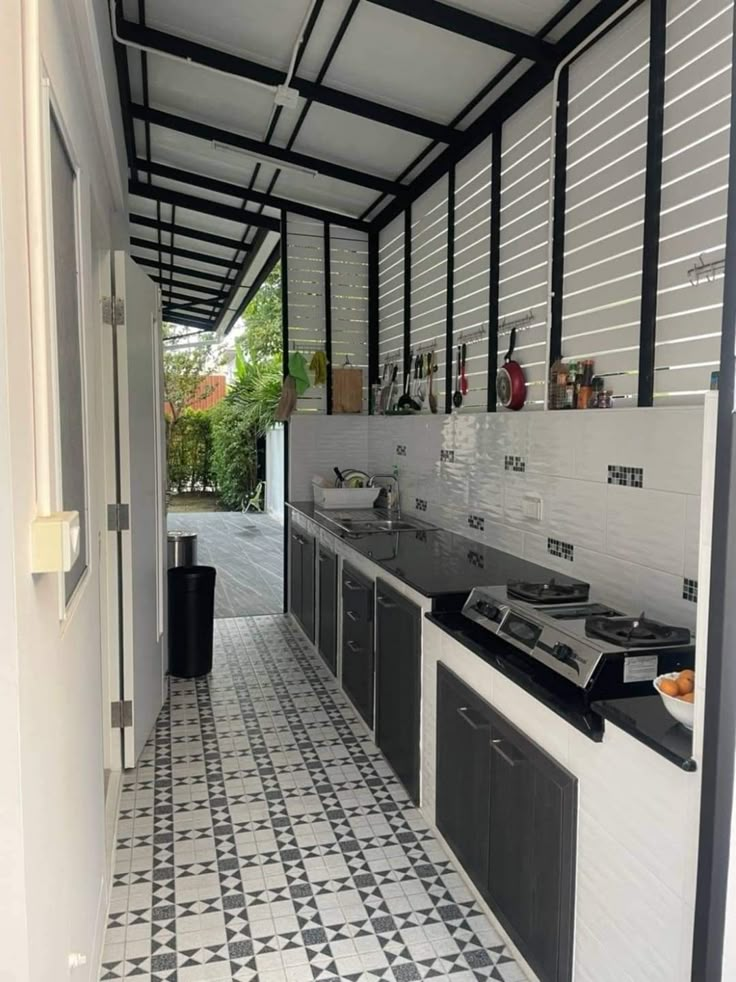

In practice, this might mean a dining bench crafted from dismantled church pews, finished with a light coconut oil rub to highlight the grain. Metalworkers could hammer out custom vent hoods using corten steel, allowing a rusty rich surface to develop over time. Hand forged cabinet pulls, shaped from recycled jeepney components, add quirky charm while telling a story of mobility and resilience. Every object in the room becomes a conversation starter, rooted in the resourceful spirit of Filipino creativity.
Functional Crafts and Local Artistry
Dirty kitchen style in the Philippines also celebrates functional crafts, marrying beauty with the rough and tumble of everyday cooking. Open shelving lined with handmade ceramic jars from Pampanga or Bohol keeps essentials within reach while displaying subtle irregularities that prove their human origin. Woven rattan trays carry produce from the palengke, transitioning seamlessly from market haul to pantry organizer to countertop serving piece.
Local artistry appears in the form of capiz pendant lights that scatter patterns reminiscent of a baling hayag festival or hand painted tiles illustrating harvest festivals and family gatherings. Even the splash back can become a canvas for bold mural art, where a neighborhood muralist is commissioned to bring a tropical jungle or a bustling jeepney interior to life. This level of customization ensures the space is not just on trend, but deeply personal and unmistakably Filipino.


Modern Amenities Meet Tropical Resilience
While dirty kitchen style romanticizes the worn and weathered, it does not sacrifice performance or hygiene in the humid Filipino climate. High grade appliances are often left visible, their stainless steel surfaces intentionally left matte rather than aggressively polished. This understated machinery stands alongside robust materials engineered to withstand heat and moisture, such as engineered quartz slabs and specially treated outdoor grade plywood. The kitchen becomes a resilient workspace where fresh coconut, calamansi, and native herbs are prepped without worry.
Smart integration is another layer that modern homeowners appreciate, from sensor activated under cabinet lighting that highlights a mortar and pestle set to water filtration systems tucked neatly under a reclaimed counter. Exhaust hoods are designed with stronger fans to handle adobo and sinigang aromas, keeping the space fresh without hiding the character of the walls. Technology is woven in discreetly, enhancing comfort while preserving the tactile, human centered aesthetic that defines the style.
Layouts for Open Living and Gatherings
Layouts tend to favor open concepts that allow the kitchen to spill into the dining or living area, reflecting the Filipino habit of gathering around food. An extended counter with a built in ledge becomes a casual workstation where a child does homework while an adult chops tomatoes for kinilaw. The dirty kitchen style amplifies this social energy by using wide, welcoming countertops and an island that invites friends to cluster for a quick merienda.


In smaller homes, clever zoning with partial walls, hanging plants, or a suspended wooden ceiling can define the cooking zone without closing it off. Rolling carts on hand planed mango wood offer flexibility, while sliding barn doors made of capiz and timber filter natural light softly. These design tactics maximize functionality while retaining the soulful, unvarnished character that makes the style so magnetic in the Philippine context.
Personal Stories and Neighborhood Identity
Perhaps one of the most compelling aspects of dirty kitchen style locally is how it carries personal stories from the neighborhood. A mortar and pestle inherited from a lola can sit proudly next to a sleek espresso machine, signaling continuity between generations. Hand written chalkboard menus, faded market tags, and souvenir magnets from different provinces transform the kitchen into a memory map of travels and family roots.
Neighbors might exchange tips on sealing concrete countertops to prevent moisture damage or share sources for reclaimed hardwood from old warehouses. This culture of exchange reinforces the communal spirit behind the design, where the kitchen is not just a private showroom but a living hub of shared knowledge. The style thrives on these authentic connections, making every kitchen a one of a kind reflection of its micro community.
As interest in sustainable, culturally grounded design grows, dirty kitchen style in the Philippines is poised to evolve without losing its heartfelt character. Homeowners, designers, and local craftsmen are collaborating to refine techniques for sealing and finishing reclaimed materials, ensuring that the playful roughness of the look remains both durable and practical. Future iterations may emphasize low carbon footprints even more, incorporating bamboo, engineered woods, and non toxic finishes sourced from Filipino forests.
Rather than following a rigid formula, this aesthetic invites continuous experimentation, allowing each kitchen to absorb new influences while staying rooted in local textures, stories, and climate wisdom. The journey of shaping such a space becomes a personal one, where every imperfection is welcomed as part of the ongoing narrative. Taking the time to explore how these elements can come together in your own home lets the kitchen truly function as the soul of the house, warm, resilient, and ready for whatever the next chapter brings.
Related Articles
Small Outdoor Dirty Kitchen Design Ideas Philippines
Transforming your outdoor space into a functional and inviting area for cooking and dining is a dream for many homeowners in the Philippines. A small outdoor...
Modern Dirty Kitchen Design Ideas Philippines
In the bustling culinary scene of the Philippines, where food is not just sustenance but an integral part of culture and community, the kitchen has evolved...
Dirty Kitchen Design Ideas Philippines: Inspiring Images
In the bustling food scene of the Philippines, where culinary creativity knows no bounds, the kitchen has evolved into a space that's not just functional, but...
Small Dirty Kitchen Design Ideas Philippines
Transforming a small, often overlooked space into a functional and inviting kitchen can be a rewarding challenge. In the Philippines, where living spaces are...
Simple Dirty Kitchen Design Ideas Philippines Images 2024: Photos & Inspiration
Filipino homeowners are increasingly drawn to simple dirty kitchen design ideas philippines images that celebrate the beauty of authentic, lived-in culinary...

Aesthetic Kitchen Ideas Avatar World Trendy Digital Design
In the realm of Pandora, where the Na'vi and their bioluminescent flora and fauna thrive, the concept of aesthetics transcends mere visual appeal. It's about...