25+ Display Board Examples for Science Projects That Wow Judges
Choosing the right display board examples for science projects can feel overwhelming, but visual planning is the first step toward a winning presentation. A well organized board guides the viewer through your hypothesis, experiment, and results with clarity and confidence. Teachers and judges often form their first impression based on layout, so selecting the right format matters from the very beginning.
Whether you are working on a physics challenge or a biology inquiry, the display board serves as a bridge between complex data and a general audience. Strong examples show how to highlight key information without clutter, using charts, photos, and concise text. By studying different approaches, you can adapt the best ideas to match your specific topic and grade level.
Traditional Tri Board Formats
The classic tri board remains one of the most common display board examples for science projects because it divides content into a clear visual flow. Students typically use the middle section for the problem and hypothesis, the left for methods, and the right for results. This structure helps viewers follow the scientific story from question to conclusion without confusion.


Many teachers prefer this format for upper elementary and middle school displays, since it balances organization with creative freedom. With the right examples, you can learn how to position headings, images, and data tables so the board looks polished and professional. The tri board layout also scales easily from simple volcano demonstrations to advanced engineering prototypes.
Using Photo Centric Layouts
Photo centric layouts focus on high quality images of each stage of the experiment, making the project more engaging at a glance. In this approach, large photographs or diagrams dominate the board, while captions explain what the viewer is seeing. This style works especially well for projects in chemistry, ecology, or robotics, where visual evidence is powerful.


When you review display board examples using this method, notice how short text blocks support the images rather than compete with them. Consistent borders and color bands can tie the sections together, keeping the scientific details readable. This format is ideal for students who want to emphasize observation and real world documentation.
Emphasizing Data and Graphs
If your project relies heavily on measurements, a data focused layout is one of the most effective display board examples for science projects. Large graphs, bar charts, and tables take center stage, allowing the numbers to communicate trends and patterns clearly. You can reserve smaller panels for the question, materials, and brief conclusions.
This approach is common in middle school and high school fairs, where judges often look for accurate analysis and thoughtful interpretation. By studying examples that highlight statistics, you can learn how to scale axes, label units, and choose colors that improve readability. The result is a board that feels like a mini research paper, but in a visual format.


Modular and Interactive Displays
Modern display board examples for science projects sometimes move beyond the static tri board toward modular designs. Students might use standing panels, hanging models, or detachable cards that viewers can flip or remove. These formats invite interaction, which is perfect for explaining complex systems like circuitry or ecosystem relationships.
Interactive boards are especially valuable in larger venues where visitors may have limited time to read dense text. By incorporating simple mechanisms, such as flaps or spinning wheels, you can reveal extra data step by step. This keeps the audience engaged while still delivering a complete scientific argument.
Space Saving Foldable Designs
Foldable display boards are practical for students who need to transport their projects between home, school, and fairs. These designs use hinges or accordion folds to expand the available surface without taking up too much space in a backpack. Many examples show how to keep the core sections visible while storing extra details in attached pockets.

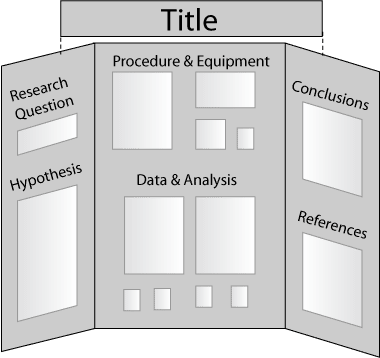


This format encourages careful planning, because you must decide which information is essential for each panel. With a well designed foldable board, you can present a detailed procedure on one side and a bold conclusion on the other. It is a versatile solution for younger students or anyone new to science fairs.
Digital and Mixed Media Approaches
Some of the most innovative display board examples for science projects combine physical boards with digital elements. Students might attach QR codes that link to videos, animations, or raw data spreadsheets. This hybrid method allows the board to remain clean while giving curious viewers access to deeper investigation.
Mixed media is especially helpful for projects in coding, physics simulations, or environmental monitoring, where live data adds impact. By exploring examples that integrate tablets, projectors, or LED indicators, you can decide how much technology fits your goals. The key is to use digital tools to support, not replace, a clear visual narrative.
Exploring different display board examples for science projects helps you see how structure, visuals, and interactivity can work together. As you plan your next investigation, think about which layout highlights your research questions and results most effectively. Matching your project's complexity to the board design will make your hard work easy for others to understand and appreciate.
Related Articles
150+ Science Poster Board Examples for Winning Projects
Creating an effective science poster board requires careful planning and a clear understanding of how to communicate complex ideas visually. Whether you are a...

Diorama Science Fair: Winning Projects and Display Tips
Exploring science through a diorama at the science fair turns abstract concepts into a tangible, walkable landscape that sparks curiosity in every visitor...

Best Selling DIY Wood Projects Fast Profit Ideas
In the world of DIY projects, woodworking often takes center stage due to its versatility and the timeless appeal of wooden creations. But did you know that...

10 Healthcare Branding Examples That Define Industry Excellence
Healthcare branding examples reveal how powerful storytelling transforms clinical excellence into trusted relationships. In a crowded market where outcomes and...

Amazing Biome Diorama Ideas Creative Eco Display Projects
Creating a biome diorama is an exciting way to bring a specific ecosystem to life inside a small, enclosed box. This hands on project combines art, science...

Easiest Python Projects for Beginners with Real Code Examples
Python, with its simplicity and extensive libraries, is an excellent choice for beginners in the world of programming. If you're new to Python and looking for...