DIY Landscape Architect: Transform Your Outdoor Space Easily
Transforming your outdoor space into a personal oasis is an exciting and rewarding endeavor. As a DIY landscape architect, you have the power to create a unique, functional, and visually appealing environment that reflects your personal style and enhances your home's curb appeal. But where do you start? This comprehensive guide will walk you through the essential aspects of DIY landscape architecture, helping you design and implement a beautiful, sustainable, and low-maintenance landscape.
Before you grab your shovel and start digging, it's crucial to understand the art and science behind landscape architecture. By learning the fundamentals, you'll be well-equipped to create a harmonious and inviting space that stands the test of time. So, let's dive into the world of DIY landscape architecture and explore the key elements that will help you achieve your dream outdoor space.
Understanding Landscape Architecture Principles
To create a cohesive and functional landscape, it's essential to familiarize yourself with the fundamental principles of landscape architecture. These principles serve as a roadmap, guiding your design decisions and ensuring a balanced, visually appealing, and practical outcome.


By studying and applying these principles, you'll gain a deeper understanding of how to work with your space's unique features, such as topography, sunlight, and existing vegetation. This knowledge will empower you to make informed decisions and create a landscape that not only looks stunning but also supports a healthy and sustainable ecosystem.
Balance and Harmony
Balance in landscape architecture refers to the distribution of visual weight and elements throughout your space. Achieving balance creates a sense of harmony and makes your landscape feel inviting and comfortable. To strike the perfect balance, consider the size, shape, and placement of your plants, hardscaping features, and other design elements. Grouping plants in odd numbers and using repetition can help create a sense of balance and unity in your landscape.


Harmony, on the other hand, is achieved by combining elements that share similar characteristics, such as color, texture, or form. By selecting plants and materials that complement one another, you'll create a cohesive and visually appealing landscape that feels like a natural extension of your home.
Focal Points and Visual Interest
Focal points serve as the center of attention in your landscape, drawing the eye and creating a sense of intrigue. By incorporating focal points, you can create a dynamic and engaging outdoor space that invites exploration and discovery. When designing your landscape, consider incorporating natural elements like trees, water features, or rock formations as focal points. Alternatively, you can create focal points using man-made structures, such as arbors, trellises, or sculptures.
To create visual interest, vary the height, texture, and color of your plants and hardscaping features. Incorporating a mix of evergreens, deciduous trees, and seasonal blooms will provide year-round appeal and keep your landscape looking fresh and inviting. Additionally, using layering techniques, such as planting in groups and creating depth with varying plant heights, can help create a sense of depth and dimension in your landscape.


Assessing Your Site and Creating a Master Plan
Before you begin transforming your outdoor space, it's essential to assess your site's unique features and create a master plan that reflects your vision and addresses your specific needs. By taking the time to evaluate your space and develop a comprehensive plan, you'll ensure that your DIY landscape architecture project is well-organized, efficient, and tailored to your preferences.
Start by conducting a thorough site assessment, taking into account factors such as sunlight exposure, soil quality, drainage, and existing vegetation. This information will help you make informed decisions about plant selection, hardscaping materials, and overall design direction. Additionally, consider the functional aspects of your space, such as traffic flow, seating areas, and outdoor dining or cooking spaces, to ensure that your landscape meets your practical needs.
Creating a Site Map
A site map is a visual representation of your property, including its boundaries, existing features, and proposed changes. Creating a site map helps you organize your thoughts and ideas, making it easier to visualize the final outcome and communicate your vision to contractors or suppliers. To create a site map, start by drawing the outline of your property, including any relevant features such as driveways, walkways, or existing structures. Then, add details like trees, shrubs, and other vegetation, as well as hardscaping elements like patios, decks, or retaining walls.



Once you have a basic site map, begin incorporating your design ideas, such as new planting beds, water features, or outdoor living spaces. Use different colors or symbols to represent various elements, making it easy to distinguish between plants, hardscaping, and other features. As you refine your site map, consider using graph paper or a digital design tool to ensure accurate scaling and proportion.
Developing a Planting Plan
A planting plan is a detailed outline of the plants you intend to incorporate into your landscape, including their species, size, placement, and maintenance requirements. Developing a planting plan helps you ensure that your chosen plants thrive in your specific environment and create a cohesive, visually appealing landscape. To create a planting plan, start by selecting plants that complement your site's conditions and reflect your personal style.
Consider factors such as sunlight exposure, soil type, and moisture levels when choosing plants, and opt for a mix of evergreens, deciduous trees, and seasonal blooms to provide year-round interest. Group plants based on their water, light, and soil requirements, and arrange them in a way that creates a sense of balance and harmony. Use your site map as a reference, and make adjustments as needed to ensure that your planting plan complements your overall design vision.
Designing with Hardscaping Elements
Hardscaping elements, such as patios, walkways, and retaining walls, play a crucial role in DIY landscape architecture, providing structure, functionality, and visual interest. By incorporating hardscaping elements into your design, you can create a cohesive and inviting outdoor space that meets your practical needs and enhances your home's curb appeal.
When designing with hardscaping elements, consider the materials, colors, and textures that complement your home's exterior and reflect your personal style. Opt for durable, low-maintenance materials that can withstand the elements and require minimal upkeep. Additionally, ensure that your hardscaping elements are functional and serve a purpose, such as providing seating areas, defining spaces, or improving drainage.
Patios and Decks
Patios and decks serve as the foundation for your outdoor living spaces, providing a surface for seating, dining, and entertaining. When designing patios and decks, consider the size, shape, and location of these structures, ensuring that they complement your home's architecture and meet your functional needs. Opt for materials that are durable, low-maintenance, and visually appealing, such as concrete, stone, or composite decking.
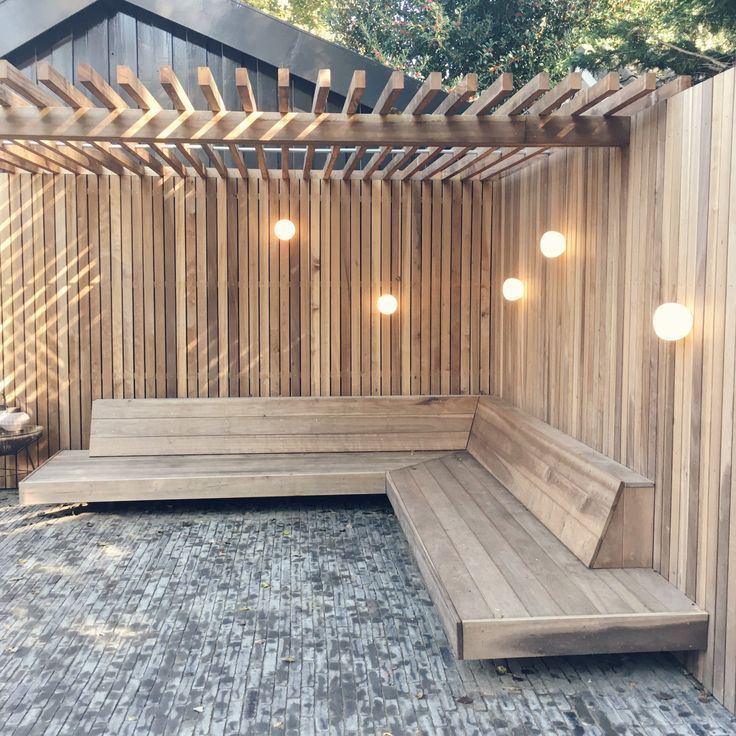
To create a cohesive and inviting space, extend the materials used in your patio or deck to other hardscaping elements, such as walkways or retaining walls. This technique helps create a sense of unity and makes your landscape feel like a natural extension of your home. Additionally, consider incorporating built-in seating, planters, or other decorative elements to enhance the visual appeal and functionality of your patio or deck.
Walkways and Pathways
Walkways and pathways serve as the connective tissue of your landscape, guiding visitors from one space to another and creating a sense of flow and continuity. When designing walkways and pathways, consider the materials, width, and placement of these features, ensuring that they complement your home's architecture and meet your functional needs.
Opt for durable, low-maintenance materials that are easy to clean and require minimal upkeep. Incorporate curves and gentle slopes to create a sense of movement and invite exploration. Additionally, consider incorporating lighting, such as solar-powered path lights or low-voltage fixtures, to enhance safety and visibility, especially in darker areas or during evening hours.
Plant Selection and Care
Choosing the right plants is essential for creating a beautiful, low-maintenance, and sustainable landscape. By selecting plants that thrive in your specific environment and require minimal care, you'll enjoy a stunning outdoor space that requires less time and effort to maintain.
When selecting plants, consider factors such as sunlight exposure, soil type, and moisture levels, and opt for a mix of evergreens, deciduous trees, and seasonal blooms to provide year-round interest. Group plants based on their water, light, and soil requirements, and arrange them in a way that creates a sense of balance and harmony. Additionally, choose plants that are native to your region, as they are better adapted to your local climate and require less water and maintenance.
Evergreens
Evergreens are a staple in DIY landscape architecture, providing year-round color, structure, and privacy. When selecting evergreens, consider their size, shape, and growth rate, as well as their specific care requirements. Opt for a mix of conifers and broadleaf evergreens to create a diverse and visually appealing landscape. Some popular evergreen options include Arborvitae, Juniper, and Boxwood.
To create a cohesive and balanced landscape, group evergreens together and use them to define spaces, create privacy screens, or add structure to your design. Incorporate evergreens into your planting plan, ensuring that they complement your other plant selections and meet your specific design goals.
Deciduous Trees and Shrubs
Deciduous trees and shrubs provide seasonal interest, shade, and visual appeal. When selecting deciduous plants, consider their size, shape, and growth rate, as well as their specific care requirements. Opt for a mix of flowering, foliage, and fruit-bearing plants to create a diverse and visually appealing landscape. Some popular deciduous options include Maple, Dogwood, and Hydrangea.
Incorporate deciduous trees and shrubs into your planting plan, using them to create focal points, define spaces, or add height and texture to your design. Consider their mature size and growth rate when selecting planting locations, and ensure that they complement your other plant selections and meet your specific design goals.
Seasonal Blooms
Seasonal blooms add color, texture, and visual interest to your landscape, creating a dynamic and engaging outdoor space. When selecting seasonal blooms, consider their bloom time, color, and care requirements. Opt for a mix of annuals, perennials, and bulbs to ensure continuous color throughout the growing season.
Incorporate seasonal blooms into your planting plan, using them to create borders, fill in gaps, or add pops of color to your design. Consider their mature size and growth habits when selecting planting locations, and ensure that they complement your other plant selections and meet your specific design goals. Additionally, consider incorporating low-maintenance, self-seeding plants, such as Black-Eyed Susans or Coneflowers, to create a lush, naturalistic landscape that requires minimal effort to maintain.
Embracing the art and science of DIY landscape architecture allows you to create a unique, functional, and visually appealing outdoor space that reflects your personal style and enhances your home's curb appeal. By understanding the fundamental principles of landscape architecture, assessing your site, and developing a comprehensive master plan, you'll be well-equipped to transform your property into a beautiful and sustainable oasis. So, grab your shovel, and let your creativity and passion guide you as you embark on this rewarding journey to create the perfect outdoor sanctuary.
Related Articles

Tree Base Landscape: Transform Your Outdoor Space
Transforming your outdoor space into a captivating landscape begins with a solid foundation, quite literally. The tree base, often overlooked, plays a crucial...

Zen Outdoor Patio Ideas: Transform Your Space into a Serene Oasis
Creating a peaceful retreat right outside your door starts with thoughtful zen outdoor patio ideas that calm the mind and soothe the spirit. A well designed...

Transform Your Outdoor Space: 20 Inspiring Garden Patio with Pergola Ideas
Transforming your outdoor space into a true extension of your home starts with a well designed garden patio with pergola, creating a welcoming sanctuary for...

Extra Large Outdoor Stencils: Transform Your Space
Transform your outdoor spaces into vibrant canvases with extra large outdoor stencils. These oversized templates are not just tools for creating impressive...

Transform Your Outdoor Space: Top Yard Makeover Shows
Transforming your outdoor space into a haven of beauty and functionality is no small task, but with the help of yard makeover shows, it's become an achievable...

25+ Stunning Shed Wall Ideas to Transform Your Outdoor Space
Transforming a simple shed into a functional and inviting space is an exciting project that can greatly enhance your outdoor living experience. With a bit of...