Creative DIY Recycled Furniture Ideas Upcycling Hacks
DIY recycled furniture turns everyday discards into stylish, functional pieces that express your personality and care for the planet. This creative approach to home design lets you transform items destined for the landfill into tables, chairs, shelves, and decor that carry unique stories. By embracing upcycling, you reduce waste, save money, and avoid the carbon footprint of new manufacturing. The movement blends practicality with artistry, inviting makers of all skill levels to reimagine what a comfortable, beautiful space can be.
At its core, DIY recycled furniture is about resourcefulness, using materials like reclaimed wood, old doors, pallets, metal scraps, and even discarded textiles. The process encourages careful planning, problem solving, and a keen eye for potential in objects others overlook. You learn to assess structural integrity, surface preparation, and finishing techniques that ensure your creations last. Beyond the practical benefits, this practice nurtures creativity and gives you a hands-on connection to the items that furnish your home.
Planning Your First Project
Starting with a clear vision helps you choose the right materials and tools while setting realistic expectations for time and effort. Begin by measuring the space where the piece will live, sketching simple designs, and listing items you already have or can easily source. Thinking about function, style, and durability ensures the final piece integrates seamlessly into your home. A well planned project reduces frustration and increases the satisfaction of seeing an idea become a usable object.


Safety and preparation are just as important as creativity when you embark on a DIY recycled furniture journey. Wearing protective gear, working in a ventilated area, and using tools correctly protects your health and improves results. Cleaning and repairing salvaged materials often involves sanding, filling holes, and checking for nails or rot that could compromise your work. Investing time in learning basic techniques, such as joinery, finishing, and fastening, pays off in professional looking outcomes.
Design and Material Selection
Good design starts with understanding how the piece will be used, who will use it, and where it will stand in your home. Consider load capacity for seating, surface stability for tables, and storage needs for shelves before selecting materials. Choosing a mix of sturdy reclaimed wood, metal supports, and repurposed components can balance aesthetics and strength. Color palettes, textures, and finishes should harmonize with existing decor while highlighting the unique character of the recycled elements.


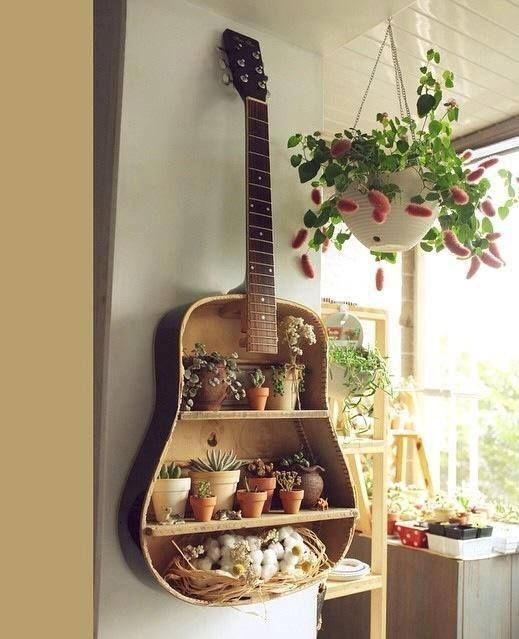
Material selection also involves thinking about longevity and maintenance. Outdoor pieces, for example, benefit from weather resistant finishes and robust frames, while indoor furniture can showcase raw reclaimed textures or painted finishes. Salvaged doors, vintage suitcases, and industrial casters are just a few examples of components that add distinct identity. By planning each material’s role, you create a cohesive piece with a clear narrative and purpose.
Tools and Basic Techniques
A successful DIY recycled furniture project relies on a core set of tools that make measuring, cutting, and assembly precise and safe. Essential items include a measuring tape, carpenter’s square, power drill, assorted screwdriver bits, a circular saw or hand saw, and a reliable hammer. Adding clamps, sanders, and a level ensures smoother joins, flat surfaces, and professional finishes. Keeping your tools organized and in good condition streamlines every step of the build.
Mastering a few basic techniques opens the door to more complex designs. Practice accurate measuring and cutting, drilling pilot holes to prevent splitting, and using appropriate fasteners for different materials. Learning simple joinery methods, such as butt joints, pocket screws, or mortise and tenon, greatly enhances stability. With these skills, you can confidently adapt plans, troubleshoot issues, and refine your work over time.


Creative Ideas and Inspiration
Exploring a variety of projects helps you discover the style that suits your taste and skill level. Start with simple upgrades like turning a wooden crate into a coffee table with a glass top or transforming an old ladder into a towel rack or bookshelf. As confidence grows, tackle more ambitious builds such as pallet beds, reclaimed wood benches, or industrial style metal and wood desks. The range of possibilities ensures there is always a new challenge waiting.
Inspiration often comes from combining unexpected elements, like pairing a vintage door with modern legs or using bicycle wheels as a base for a quirky stool. Textiles from worn curtains or jeans can become cushion covers, adding color and comfort. By browsing online galleries, visiting flea markets, and documenting your own discarded items, you build a reservoir of ideas. Each project becomes an opportunity to experiment and develop a signature look for your space.
Customizing and Finishing Touches
Customization is where recycled furniture truly shines, allowing you to tailor dimensions, colors, and details to your exact preferences. Painting in bold hues, distressing edges for a vintage feel, or sealing raw wood for a natural look all express individuality. Adding new handles, casters, or lighting elements can dramatically change the character of a piece. These finishing touches turn a functional object into a personal statement that reflects your creativity.


Documenting your process through photos and notes helps you refine techniques and share your work with others in the community. You might inspire friends to try their hand at upcycling or provide practical tips based on what you learned. Sharing progress on social platforms or local groups can foster collaboration and feedback. This ongoing exchange enriches your skills and keeps the momentum of DIY recycled furniture projects alive.
As you continue to explore DIY recycled furniture, every new project deepens your understanding of materials, tools, and design principles. You build a portfolio of unique pieces that tell a story of resourcefulness, care, and personal expression. The journey encourages patience, experimentation, and satisfaction in creating with your own hands. Embracing this approach means continually reimagining your surroundings and finding fresh potential in what already exists.
Looking ahead, each piece you craft can evolve with your style, be refinished, repaired, or reconfigured to fit new spaces and needs. This adaptability is one of the greatest rewards of working with reclaimed materials and thoughtful construction. You are not just furnishing a home; you are cultivating a mindset of creativity and responsibility toward the objects you own. Let your curiosity guide the next build, and enjoy the process of shaping a space that is distinctly your own.
Related Articles

Ultimate DIY Cardboard Furniture Ideas Creative EcoFriendly Home Decor Hacks
DIY cardboard furniture turns humble shipping boxes and packaging into stylish, functional pieces for your home. This creative approach to interior design is...
Creative DIY Ideas For Furniture Upcycling Projects
Transforming your home with DIY ideas for furniture is one of the most rewarding ways to inject personality and character into your space. Instead of settling...

Creative Recycled Bottle Art Ideas Upcycling Inspiration
Recycled bottle art ideas offer a vibrant way to turn everyday waste into stunning decor and unique gifts. This creative approach helps you reduce household...

Creative Metal Box DIY Ideas Upcycling Hacks for Trendy Home Decor
Creating your own metal box diy project is an exciting way to transform raw materials into functional storage or eye-catching decor. This hands on approach...

Small Backyard Design Ideas Pictures 15 Creative Space Saving Hacks
Transforming a small backyard into a stylish and functional retreat is a rewarding project that boosts both curb appeal and your daily quality of life. With...

Creative Cool Crafts from Recycled Materials Upcycle Ideas
Turning everyday discards into striking, functional objects is one of the most satisfying ways to express creativity while caring for the planet. Cool crafts...