Transform Your Sloped Backyard: Ultimate DIY Landscaping Ideas
Transforming a challenging sloped backyard into a functional oasis begins with understanding the unique possibilities it offers, rather than seeing it as a limitation. Many homeowners view a slope as a problem that creates erosion, mowing difficulties, and wasted space, but with thoughtful planning, it becomes a dynamic canvas for creativity and utility. This guide walks you through practical DIY strategies to manage terrain, improve accessibility, and design a beautiful yard that works with gravity instead of against it. By focusing on smart layout, reinforced planting areas, and tiered hardscapes, you can turn an awkward angle into the most expressive feature of your property.
Before lifting a single shovel, it is essential to assess the slope carefully, considering factors such as gradient, soil type, water runoff patterns, and how the area is used throughout the year. A gentle incline can support lush lawns and informal pathways, while a steep pitch often demands terracing, reinforced edges, and deep-rooted plants to stabilize the soil. Observing how water moves across the site during a heavy rain, noting where it pools or cuts channels, will highlight problem zones and opportunities for redirection. Combining these observations with your personal lifestyle needs, such as entertaining, gardening, or play space, helps you prioritize changes that deliver long-term satisfaction and reduce future rework.
Design Strategies for Managing Slope
Effective slope management starts with clear design strategies that balance aesthetics, maintenance, and safety. Key approaches include terracing, strategic grading, and the use of sturdy edging to define planting beds and walkways. Terraced levels break a long slope into smaller, more manageable platforms, each of which can serve a distinct purpose, such as a seating area, herb garden, or relaxed lawn. Proper grading ensures that stormwater is guided toward downspouts, rain gardens, or dry creek beds, reducing surface erosion and protecting nearby structures.


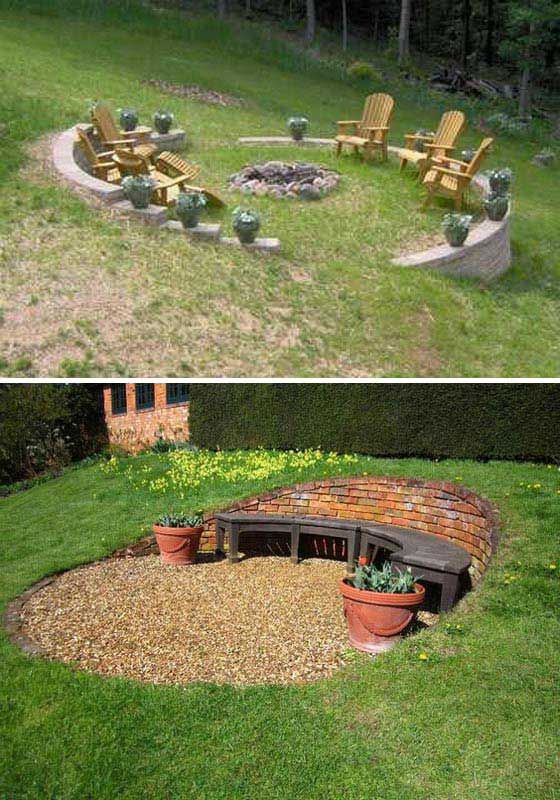
Another core principle is to think in layers, combining hardscape elements like steps, walls, and gravel paths with soft planting areas to create visual interest and ecological value. Retaining walls not only hold back soil but also create level pockets for seating, grilling, or small-scale gardening, turning vertical space into usable square footage. Edging materials such as stone, brick, or metal help keep mulch and soil within beds, preventing them from washing downhill and reducing the need for constant replenishment. Thoughtful layout and durable materials minimize ongoing work while maximizing the functionality of your newly organized yard.
Terracing and Retaining Walls
Terracing transforms a steep hillside into a series of level platforms, each supported by structures that resist lateral pressure from the soil below. Low stone or timber retaining walls are ideal for modest slopes, providing clear edges for planting beds and reducing the risk of mudslides after heavy rain. For taller elevations, engineered solutions such as interlocking block systems or reinforced concrete may be necessary to ensure long-term stability and safety. Planning each terrace with a slight backward slope, or batter, helps walls manage water pressure and prevents upward heaving during freeze-thaw cycles.


When building retaining walls, proper installation is just as important as material choice, which is why many DIYers start with smaller projects before tackling major structures. Incorporating gravel backfill and perforated drain pipes behind the wall allows excess water to escape, reducing hydrostatic pressure that could cause bulging or failure. Wall caps and subtle curves add refinement, turning a purely functional element into a polished design feature. A well-built terrace not only stabilizes the hillside but also creates inviting microclimates where you can experiment with different plants, textures, and seating arrangements.
Pathways and Accessibility
Clear, safe pathways are essential for connecting different levels of a sloped yard and for routine maintenance, such as mowing, pruning, and harvesting. Depending on your aesthetic preferences and budget, you can choose between compacted gravel, stepping-stone sets, elegant paver stairs, or rustic timber steps, each offering distinct advantages in traction, durability, and visual impact. Pathways should follow the natural contour of the land whenever possible, gently winding upward to maintain a comfortable angle and reduce soil erosion caused by direct runoff. Wider main routes can branch into smaller walking lines that invite exploration while still guiding foot traffic away from delicate planting areas.
Handrails and sturdy edges provide extra security, especially on steeper grades, and they can be crafted from materials that echo the overall style of your outdoor space. Lighting along key steps and turns enhances safety after dusk while adding a warm, architectural glow that highlights your landscape design. By investing in thoughtful access solutions early, you make your yard more welcoming for guests of all ages and abilities, ensuring that your DIY efforts remain enjoyable and practical for years to come.


Planting and Erosion Control
Once the framework of terraces, walls, and paths is in place, planting becomes the creative heartbeat of your sloped backyard, softening hard lines and stabilizing soil at the same time. Deep-rooted shrubs, ornamental grasses, and groundcovers form a living mat that grips the earth, significantly lowering the risk of surface washout during intense storms. Layering plants by height and bloom time ensures continuous visual interest, with taller specimens at the upper edge, medium-height perennials in the middle, and low-trailing species cascading toward the pathway. Selecting native or climate-appropriate species reduces watering needs and supports local pollinators, making your slope both resilient and ecologically valuable.
In addition to living plantings, strategic mulching helps retain moisture, moderate soil temperature, and suppress weeds that could compete for nutrients and destabilize the slope. Organic mulches such as shredded bark, wood chips, or cocoa hulls break down gradually, improving soil structure and feeding beneficial microbes over time. Combining mulch with ground-hugging plants creates a dense barrier against erosion, while still allowing air and water to penetrate the soil. For areas with very steep grades, temporary netting or erosion-control blankets can be used during establishment to hold soil and seedlings in place until the roots become firmly anchored.
Erosion Control Techniques
Surface erosion on a slope often shows up as small channels, exposed roots, or patches of bare soil after rainfall, which can be addressed with techniques tailored to your specific conditions. Installing French drains or dry creek beds lined with gravel directs excess water away from vulnerable planting areas and toward lower boundaries or rain gardens, preventing concentrated runoff from carving new gullies. Geotextile fabrics placed beneath mulch and soil on moderate slopes provide a hidden mesh that reinforces the surface while still allowing water and air to pass through, supporting healthy root development without sacrificing permeability.


For more dramatic slopes, combinations of techniques work best, such as staggered terraces with retaining walls, deeply planted berms, and discreet drainage systems hidden behind lush plantings. Using rocks, logs, or artistic boulder arrangements can transform erosion-control structures into sculptural elements that enhance the natural character of your yard. The goal is to work with, rather than against, natural water movement, creating solutions that are both effective and visually integrated. When these techniques are thoughtfully applied, your slope becomes a stable, low-maintenance backdrop for the rest of your landscape.
Soil Preparation and Plant Selection
Healthy soil is the foundation of any successful planting project, and on a slope it plays an even more critical role in holding everything together. Amending existing soil with compost, well-rotted manure, or other organic matter improves drainage, fertility, and structure, helping new roots establish quickly and securely. On steeper areas, you may opt for slightly raised beds or planting pockets filled with a mix of topsoil and aggregate to give plants the support they need. Choosing compact, slow-spreading groundcovers instead of tall, brittle perennials can dramatically reduce the risk of slips and soil loss, while still delivering a lush, textured appearance. Matching plant species to the specific conditions of each terrace, such as sun exposure and moisture levels, increases success and reduces ongoing adjustments.
When selecting plants, consider not only their visual appeal but also how they interact with wind, temperature fluctuations, and local wildlife. Ornamental grasses add graceful movement and winter interest, while low-growing flowering varieties provide seasonal color that softens the geometry of retaining walls and steps. Layering a mix of evergreen and deciduous shrubs ensures year-round structure, even when herbaceous perennials go dormant. Thoughtful plant choices minimize maintenance, support biodiversity, and help your DIY slope project look mature and cohesive from the very first season.
Maintenance and Long-Term Enjoyment
Once your sloped backyard is established, regular maintenance becomes more about monitoring than constant intervention, especially if the design emphasizes smart grading and deep-rooted plantings. Seasonal tasks such as trimming back vigorous growth, refreshing mulch, and checking for signs of erosion help you catch minor issues before they become major problems. Inspecting retaining walls and steps annually for shifting, cracking, or water stains allows you to address small repairs early, preserving both safety and appearance. A well-drained, thoughtfully planted slope typically requires less watering and fertilizer than a flat lawn, freeing up time to enjoy the results of your DIY efforts.
Over time, you may find opportunities to refine your layout, adding new seating nooks, adjusting plant groupings, or introducing seasonal containers that highlight different parts of the slope. Keeping records of what works and what does not in terms of plant performance and drainage patterns helps you make confident decisions with future upgrades. Inviting friends and neighbors to explore the various levels and viewpoints encourages appreciation for the ingenuity behind your design. By approaching your sloped backyard as an evolving project, you create a space that grows with your skills, your family, and your changing outdoor lifestyle.
Your sloped backyard holds more potential than you might realize, and with careful planning, solid construction, and creative planting, it can transform into a practical, beautiful, and uniquely yours landscape. The strategies outlined here focus on working with gravity, enhancing stability, and designing flows of movement that feel intentional and inviting rather than chaotic or compromised. As you experiment with terracing, pathways, and plant combinations, you gain not only a more usable outdoor area but also confidence in tackling increasingly complex DIY projects. When you observe how your space changes with the seasons, how it gathers people together, and how it quietly controls water and erosion, the effort you invested becomes everyday joy, encouraging you to keep exploring, refining, and enjoying the possibilities just beyond your back door.
Related Articles
Transform Your Sloped Backyard: Smart Landscaping Ideas & Solutions
Living with a very sloped backyard can feel overwhelming at first, especially when grass slides down the hill and every step seems like a struggle. Rather than...

Small Backyard Landscaping Ideas with Artificial Grass: Transform Your Space
Transforming a small backyard into a relaxing retreat is easier than ever with the strategic use of artificial grass, especially for homeowners who crave a...

Sloped Backyard Ideas Before and After Pictures Transform Your Landscape
Transforming a challenging sloped backyard into a functional and beautiful outdoor space is a rewarding journey that many homeowners dream about. You look at...
Transform Your Sloped Backyard Into a Stunning Oasis with Smart Design Ideas
Transforming a sloped backyard into a functional and aesthetically pleasing space can seem daunting, but with the right approach, it can become a unique and...

Transform Your Small Sloped Backyard: Budget-Friendly Ideas
Transforming a small sloped backyard into a usable and attractive outdoor space is a rewarding project that does not require a large budget. Many homeowners...

Transform Your Hillside: 25 Large Sloped Backyard Ideas
Transforming a large, sloped backyard into a functional and aesthetically pleasing space can be a challenging yet rewarding task. With the right planning and...