Diy Terraced Garden Ideas: Transform Your Space
Transform your outdoor space into a lush, multi-level oasis with these DIY terraced garden ideas. Terraced gardens not only add visual interest but also help manage water flow and create more planting space. Let's dive into some inspiring and practical solutions to help you create your dream terraced garden.
Whether you're working with a steep slope or a flat yard, terracing can bring depth and dimension to your landscape. By incorporating retaining walls, steps, and planting beds, you can turn your garden into a stunning, functional masterpiece. So, grab your gardening gloves and let's get started!
Understanding Terraced Gardens
Terraced gardens are essentially a series of flat platforms or levels created on a sloped area. They are built using retaining walls that hold back earth and create space for planting. By breaking up a steep slope into smaller, manageable sections, terracing makes gardening more accessible and enjoyable.


There are several types of terraces to consider, including straight, curved, and stepped. Straight terraces are the most common and easiest to build, while curved and stepped terraces add a more dynamic and visually appealing element to your landscape. The choice depends on your personal preference, the layout of your yard, and the desired effect.
Materials for Retaining Walls
Selecting the right materials for your retaining walls is crucial for both aesthetics and functionality. Popular options include wood, stone, concrete blocks, and gabion cages filled with rocks. Each material has its unique appearance and maintenance requirements, so consider your budget, the look you want to achieve, and the longevity of the materials.


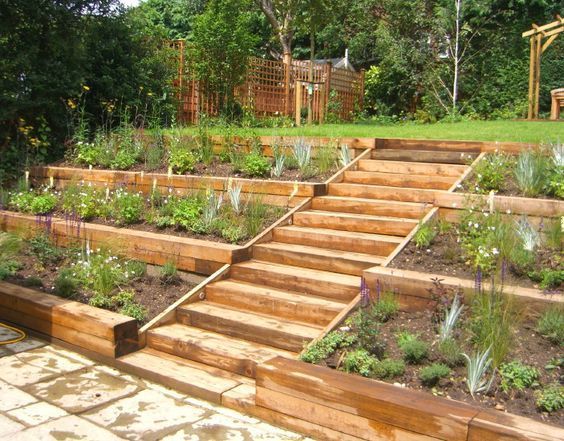
For a natural, rustic feel, wood is an excellent choice. However, it requires regular maintenance and staining to prevent rot and decay. Stone and concrete blocks offer a more durable and low-maintenance solution, while gabion cages provide a modern, industrial look and allow plants to grow through the gaps.
Designing Your Terraced Garden
Before you start building, sketch out a plan for your terraced garden. Consider the size and shape of each terrace, the placement of steps, and the types of plants you want to include. Think about how you'll use the space – will it be for growing vegetables, hosting parties, or simply enjoying the view?
Create a scale drawing of your garden, including measurements and elevations. This will help you visualize the final result and ensure that your design is practical and functional. Don't forget to consider factors such as sunlight, drainage, and access to water when planning your garden layout.


Building Your Terraced Garden
Once you've designed your terraced garden, it's time to start construction. The process involves creating a stable base for each terrace, building retaining walls, and adding steps or paths to connect the different levels.
To create a stable base, you'll need to excavate the soil to the desired depth and width of your terrace. Compact the soil and add a layer of gravel or crushed stone to improve drainage. You can then build up the terrace using fill dirt or a lightweight aggregate, ensuring that the surface is level and well-compacted.
Building Retaining Walls
Retaining walls are essential for holding back earth and creating space for planting. The height and width of your walls will depend on the size of your terraces and the slope of your yard. For walls taller than four feet, you may need to consult a structural engineer to ensure they are safe and stable.


To build a simple retaining wall, start by laying a foundation of compacted gravel or crushed stone. Place the first course of blocks or stones on top of the foundation, ensuring they are level and aligned. Continue laying courses, staggering the joints for added strength, until you reach the desired height. Fill the wall with compacted gravel or a lightweight aggregate to provide additional support.
Adding Steps and Paths
Steps and paths connect the different levels of your terraced garden and make it easier to navigate your outdoor space. They also add visual interest and can be customized to fit your garden's aesthetic.
To build steps, excavate the soil to the desired depth and width, then compact the base. Lay out your first step using pavers or stone slabs, ensuring it is level and stable. Continue laying steps, adjusting the height to match the rise of your terraces. For paths, lay pavers or stone slabs in a pattern that complements your garden design, using sand or gravel between the joints for stability.
Planting Your Terraced Garden
With the structure of your terraced garden in place, it's time to turn your attention to planting. Choose plants that complement the style of your garden and thrive in the conditions of your specific location. Consider a mix of evergreens, perennials, and annuals to provide year-round interest and color.
When planting on terraces, it's essential to consider the depth of the planting bed and the root systems of the plants you choose. Some plants, like trees and shrubs, may require deeper beds or additional soil amendments to support their growth. Others, like herbs and small perennials, can thrive in shallow beds with well-draining soil.
Planting Techniques for Terraces
To create a lush, healthy garden on your terraces, use proper planting techniques to give your plants the best possible start. Dig holes that are twice as wide and just as deep as the plant's root ball. Gently loosen the roots and place the plant in the hole, ensuring it is at the same depth as it was in its original container.
Fill in around the plant with a mix of native soil and compost, gently firming the soil as you go. Water the plant thoroughly to settle the soil and remove air pockets. Mulch around the base of the plant to retain moisture, suppress weeds, and regulate soil temperature. Keep your plants well-watered during the first growing season to help them establish strong root systems.
Maintaining Your Terraced Garden
With proper care and maintenance, your terraced garden will continue to thrive and provide beauty and functionality for years to come. Regularly prune plants to encourage bushy growth and remove dead or diseased foliage. Mulch annually to replenish nutrients and maintain soil health.
Inspect your retaining walls periodically for signs of damage or instability, and address any issues promptly to prevent costly repairs. Keep paths and steps clean and well-maintained to ensure safe and easy navigation of your garden. By staying on top of routine maintenance tasks, you'll enjoy a beautiful, low-maintenance garden that requires minimal effort to keep looking its best.
Embrace the journey of creating your DIY terraced garden, and don't be afraid to experiment with different designs and plant combinations. With a little creativity and elbow grease, you can transform your outdoor space into a stunning, personalized oasis that reflects your unique style. Happy gardening!
Related Articles

Transform Your Space: 25 Inspiring Terraced Yard Ideas
Transforming a sloped yard into a functional and visually appealing space can be a challenge, but with the right terraced yard ideas, you can create a...

Transform Your Outdoor Space: 20 Inspiring Garden Patio with Pergola Ideas
Transforming your outdoor space into a true extension of your home starts with a well designed garden patio with pergola, creating a welcoming sanctuary for...

Transform Your Space: 15 Stunning Terraced Front Yard Ideas
Transforming your front yard into a welcoming, functional space begins with a well-planned layout. Terraced front yard ideas offer an excellent solution...
Transform Your Front Yard: Stunning Terraced Garden Ideas
Transforming your front yard into a terraced garden can add charm, functionality, and value to your home. This landscaping technique involves creating levels...

Small Terraced House Renovation Ideas On A Budget Transform Your Space
Transforming a small terraced house into a dream home doesn't have to break the bank. With a bit of creativity, planning, and some budget-friendly renovation...

Transform Your Space: 20 Inspiring Terraced House Kitchen Ideas UK
Transforming your terraced house kitchen into a space that's both functional and stylish can be a rewarding project. With the UK's diverse housing market...