Diy Terrarium: Step-by-Step Instructions
Creating your own mini garden is a rewarding hobby that brings a touch of nature indoors with relatively simple diy terrarium instructions. These enclosed glass gardens are perfect for small spaces, and they allow you to observe a tiny ecosystem thrive right on your desk or shelf. With the right approach, anyone can transform basic materials into a lush, low maintenance living landscape.
Before you begin, it is important to understand that not all plants are suitable for this project, and the container choice will dictate your watering routine. A successful setup relies on careful layering to ensure excess water drains away from the roots while maintaining healthy humidity levels. Following proven diy terrarium instructions helps you avoid common mistakes like overwatering or using soil that stays too wet.
Planning Your Mini Garden
Start by deciding on a theme, such as a tropical forest, a desert landscape, or a simple mossy scene, because this choice guides your plant and decoration selection. You should pick plants that have similar light and moisture requirements to keep the ecosystem balanced. The container should be clear glass with a lid or an open dish, and it should allow plenty of natural light without being in harsh afternoon sun.


Layering is the backbone of any healthy setup, so you will need gravel for drainage, activated charcoal to filter water, and a special potting mix designed for moisture control. Gathering these materials ahead of time ensures that your diy terrarium instructions translate smoothly from theory to a living, growing display. Proper planning reduces the need for constant maintenance and keeps your garden looking fresh.
Choosing the Right Plants
For a closed terrarium, choose slow growing plants that enjoy humidity, such as ferns, mosses, or small peperomia varieties. These species adapt well to the limited airflow inside glass walls and do not require constant intervention. Open terrariums work better with cacti, succulents, or air plants, which prefer to dry out between light waterings.


When you select plants of different heights and textures, you create visual interest while still meeting the practical requirements of the ecosystem. Avoid plants that grow rapidly or become large, because they will quickly outgrow the confined space and disrupt the carefully planned diy terrarium instructions. Matching plant size to container volume keeps the garden in balance.
Preparing the Container
Clean the glass thoroughly with soap and water, then rinse it well to remove any residue that could cloud the view or affect water drainage. If you are using a lid, ensure it can open partially or fully to allow air exchange when needed. A wide opening makes it easier to layer materials and maintain the garden over time.
Place a stable surface beneath the container during assembly to prevent accidental slips. You can elevate the container on a wooden stand or a decorative tray to complement your interior style. Keeping the workspace dry and organized helps you follow each step of the diy terrarium instructions without rushing or making messy errors.


Building the Layered Ecosystem
Begin by adding a layer of pea gravel or small stones across the bottom of the container, which creates space for excess water to collect away from the soil. On top of the gravel, spread a thin layer of activated charcoal to trap impurities and reduce odors that can develop in enclosed spaces. These foundational layers are crucial for root health and long term success.
Next, add a thicker layer of potting mix, usually two to three inches deep, and shape it into small mounds if you plan to place multiple plants. Use a spoon or small trowel to make planting holes, then position each plant carefully so the roots are covered but the crowns remain just above the soil line. Following these diy terrarium instructions closely ensures good drainage and steady growth.
Sub-topic A
After planting, mist the soil lightly with water until it feels evenly moist but not soggy, because excess moisture in a closed glass environment can cause rot. If you are using an open container, you may need to water more frequently, checking the dryness of the surface between sessions. Observing the leaves for signs of stress helps you adjust your care routine before problems become severe.


Arrange small decorative elements, such as stones, driftwood, or figurines, to enhance the visual story of your scene without overcrowding the plants. These accents should complement the natural shapes of the foliage rather than dominate the container. A well balanced design makes it easier to follow diy terrarium instructions and maintain harmony as the garden matures.
Sub-topic B
Position your terrarium near a bright window where it receives indirect light, because direct sun can overheat the glass and scorch the leaves. Rotate the container occasionally so all sides receive even exposure, which promotes uniform growth. Consistent, gentle lighting reduces the risk of leggy stems and keeps the colors vibrant.
If you notice condensation forming heavily on the walls of a closed terrarium, lift the lid for a few hours to allow fresh air to circulate. This simple action regulates humidity and prevents fungal issues. Monitoring these subtle environmental cues is an essential part of every effective diy terrarium instructions set.
Ongoing Care and Maintenance
Check the soil moisture once a week by pressing your finger gently into the top layer or using a small moisture meter. Closed terrariums often recycle water, so you may rarely need to add more, while open styles might require occasional misting. Adjust your schedule based on temperature, light, and the specific needs of your plant choices.
Trim any yellowing or dead leaves with clean scissors to keep the garden looking tidy and to redirect the plant energy toward healthy growth. Remove weeds or algae that appear on the soil surface so they do not compete for nutrients. Staying consistent with these small tasks ensures that your diy terrarium instructions lead to a thriving, low fuss display.
Sub-topic C
Fertilize very sparingly, using a diluted houseplant feed only once or twice during the growing season, because too many nutrients can encourage excessive foliage at the expense of the overall balance. When you do fertilize, apply it at half strength to avoid burning delicate roots. This restrained approach supports steady, natural development without constant intervention.
Watch for pests such as aphids or spider mites, especially if you bring outdoor plants inside for the arrangement. Isolate any affected plant quickly and wipe the leaves gently with a damp cloth. Early detection makes it much easier to resolve issues while keeping the rest of your terrarium healthy.
Sub-topic D
Over time, your terrarium may change as moss grows taller or tiny new shoots emerge, and these signs of life are part of the joy of maintaining a miniature landscape. You can refresh the look by rearranging stones or replacing a plant that has finished its cycle. Seasonal adjustments help your garden stay aligned with the diy terrarium instructions you originally followed.
Sharing your setup with friends or documenting its progress through photos can be motivating and fun. Observing how the ecosystem evolves teaches patience and attention, turning a simple project into a lasting hobby. With each new version you create, you refine your skills and develop a deeper connection to the plants under your care.
As you continue to explore different plant combinations and container styles, your confidence in designing these compact gardens will grow naturally. Experimenting with texture, scale, and microclimates inside each glass vessel allows your diy terrarium instructions to evolve into a personal creative practice. Taking the time to observe, adjust, and appreciate each stage of growth turns every small arrangement into a living reflection of your care and curiosity.
Related Articles

Diy Felt Ornaments: Easy Step-by-Step Instructions
Embrace the joy of crafting with our comprehensive guide on creating DIY felt ornaments. These charming decorations are not only a delight to hang but also a...
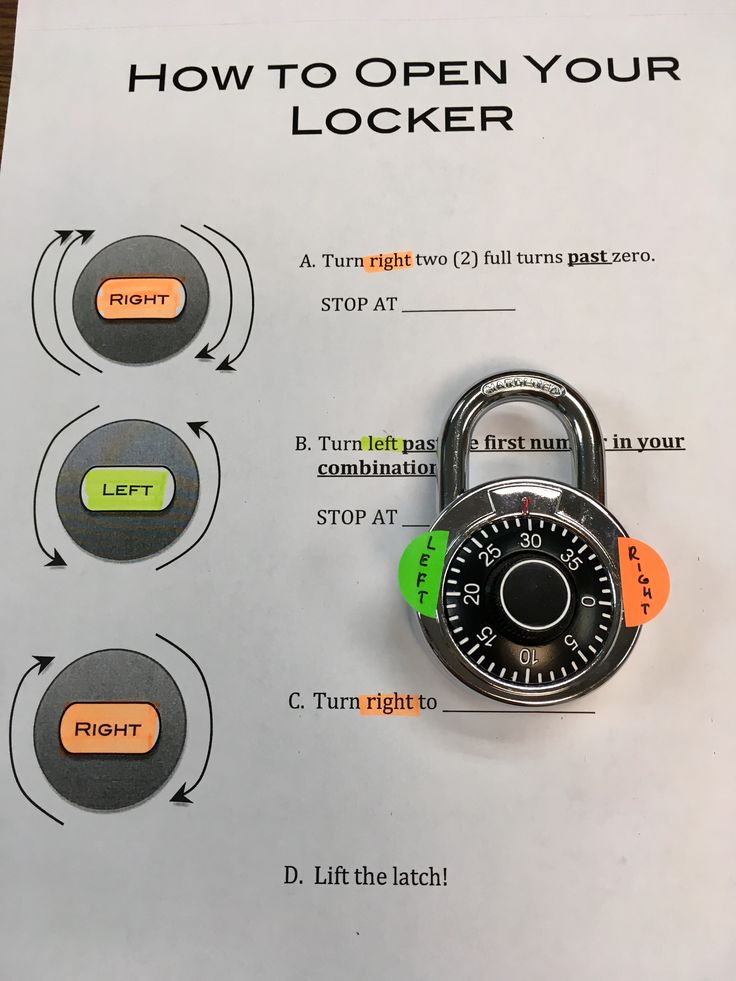
School Locker Lock Instructions: Step-by-Step Guide
Learning how to use a school locker lock correctly can save you time and stress during a busy day. These sturdy metal storage units line the hallways of most...

Elf Letters to Santa: Step-by-Step Instructions
Writing a letter to Santa Claus is a cherished tradition for many children around the world. It's an opportunity for them to express their hopes, dreams, and...

DIY Open Terrarium for Beginners: Your Step-by-Step Guide to Creating a Miniature Garden Oasis
Embarking on the journey of terrarium creation can be an incredibly rewarding experience, especially when you're just starting out. A DIY open terrarium is an...

Origami Bookmark Corner Tutorial: Easy Step-by-Step Instructions
Ever found yourself wishing you could create something beautiful and functional from a single sheet of paper? Origami, the ancient Japanese art of paper...

How to Make a Terrarium Background: Step-by-Step Guide
Creating a terrarium background turns a simple glass container into a miniature world that feels deep and immersive. Whether you prefer a forest floor, a...