Drawing Hospital Patient Safety Poster Ideas创意海报提升医疗安全视觉传达指南
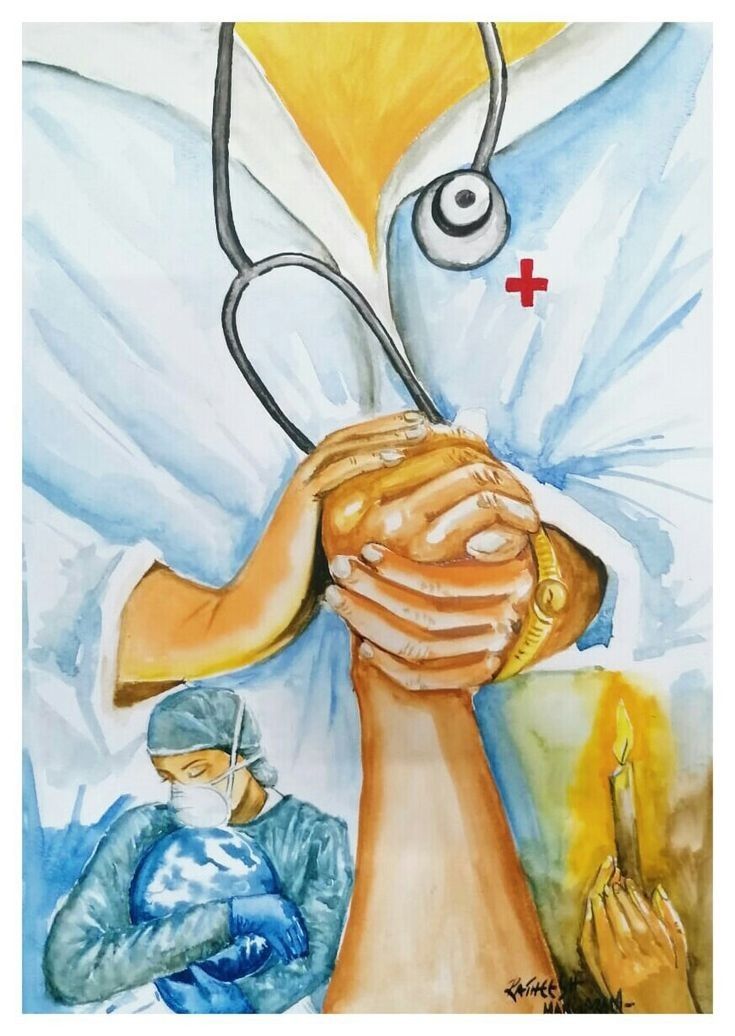
Designing a drawing hospital patient safety poster is a powerful way to communicate vital information directly at the point of care. Visual cues in high traffic areas can reinforce protocols and encourage proactive behaviors among both staff and visitors. This process transforms complex guidelines into clear, memorable illustrations that protect well being. The goal is to merge artistic clarity with medical accuracy so that every viewer quickly understands the intended safety message.
An effective safety poster addresses common risks such as infection control, medication safety, and fall prevention through imagery that transcends language barriers. When clinicians, patients, and families share a common visual language, the chances of miscommunication decrease significantly. Thoughtful design ensures that even in busy, stressful environments, critical precautions are noticed and remembered. Investing time in these visual tools demonstrates a commitment to a culture of safety that is visible in everyday practice.
Identifying Core Safety Themes
The first step in creating impactful hospital patient safety posters is to identify the most relevant themes for your facility. Common priorities include hand hygiene, safe medication administration, pressure injury prevention, and equipment usage protocols. By selecting themes that address local incident patterns and regulatory requirements, you ensure that your drawings have immediate relevance. Engaging frontline staff in this selection process helps surface practical insights that refine the focus of each poster.


Once themes are chosen, consider the audience for each location. Emergency departments may need rapid recognition visuals for sepsis alerts, while maternity units might emphasize newborn safety and maternal fall prevention. Tailoring themes to specific departments ensures that the message aligns with the daily experiences of viewers. This targeted approach increases engagement and makes the drawn content feel personally relevant rather than abstract.
Standardizing Symbols and Colors
Consistency in symbols and colors across all hospital patient safety posters creates an intuitive visual language that staff and patients can rely on. Red often signals danger or urgent action, yellow can indicate caution, and green may represent safe practices or clearance. Using standardized medical symbols, such as a hand for hygiene or a flame for fire safety, helps viewers interpret the message at a glance. Maintaining this consistency across departments prevents confusion and supports rapid decision making during critical moments.


Drawing style should support clarity rather than artistic complexity, with bold outlines and high contrast to ensure readability from a distance. Simple iconography works best for quick recognition, especially in high stress environments where clinicians must absorb information rapidly. Pairing these visuals with concise text labels reinforces the message without overwhelming the viewer. This balance between image and language is key to creating posters that truly enhance safety culture.
Translating Guidelines into Visual Steps
Complex clinical guidelines can be translated into step by step visual sequences that guide behavior through clear progressions. For example, a poster illustrating proper hand hygiene might show a series of drawn hands with soap, water droplets, and a clock indicating the recommended duration. Breaking down procedures into illustrated stages helps viewers remember the correct order and avoid skipped steps. These sequential drawings serve as practical checklists that can be followed without referring to written manuals.
When designing these sequences, consider the environment where the poster will be placed. A poster near medication carts might focus on the five rights of medication safety, drawn as a simple checklist with icons for patient, drug, dose, route, and time. The aim is to convert abstract policy documents into concrete actions that people can replicate accurately. Thoughtful sequencing in your drawings turns safety protocols into easy to follow routines.


Designing for Visibility and Engagement
Visibility is crucial for hospital patient safety posters, so consider size, placement, and viewing distance when planning your drawings. Large format posters positioned at eye level in corridors, nurse stations, and patient rooms maximize exposure and recall. High contrast backgrounds with strong outlines ensure that the message remains legible even in low light or stressful situations. Choosing a layout that minimizes clutter helps viewers focus on the most critical elements without distraction.
Engagement can be enhanced by incorporating interactive elements such as QR codes that link to brief video demonstrations or printable checklists. A drawn illustration of a handwashing station, for example, could be paired with a code that shows the exact technique in motion. This combination of static drawing and dynamic content deepens understanding and encourages staff to revisit the material. Such thoughtful integration keeps safety messaging fresh and relevant across shifts.
Cultural Sensitivity and Language Considerations
Hospital environments are culturally diverse, so patient safety posters should reflect this reality through inclusive imagery and multilingual support. Using universally recognizable symbols reduces reliance on text and ensures that non native speakers can still understand the core message. When text is necessary, providing key phrases in multiple languages helps avoid misunderstandings that could lead to safety risks. Consider working with community representatives to verify that your drawings and translations resonate respectfully with all patients.


Beyond language, be mindful of symbols and colors that may carry different meanings across cultures. Testing draft designs with a diverse group of staff and patients can reveal unintended connotations and improve overall clarity. Sensitivity in visual communication demonstrates respect for every individual who walks through the hospital doors. This inclusive mindset strengthens trust and supports a safer environment for everyone involved.
Evaluating Impact and Iterating Designs
To ensure that your drawing hospital patient safety poster ideas translate into real world benefits, establish methods for evaluating their effectiveness. Observe whether staff and patients reference the posters during routine activities, and collect feedback through quick surveys or focus groups. Track relevant metrics, such as compliance rates for hand hygiene or medication checks, before and after poster implementation. Data driven insights help you refine imagery, messaging, and placement for maximum impact over time.
Regular review of existing posters allows you to update visuals as guidelines evolve or as new safety concerns emerge. Keeping the design process dynamic ensures that your drawings remain accurate and compelling rather than becoming background noise. Collaboration between designers, clinicians, and patient advocates can highlight opportunities for improvement and spark fresh concepts. Continuous iteration turns static posters into living tools that grow with your hospital community.
Thoughtfully designed visual tools can transform everyday spaces into constant reminders of shared responsibility for safety. By focusing on clarity, inclusivity, and measurable impact, your drawings will support a culture where protection and care are visible in every corner. This ongoing dialogue between art and medicine strengthens trust and empowers both staff and patients to act with confidence. Exploring new ways to express these safety messages through drawing keeps your environment responsive, human centered, and always learning.
Related Articles

Patient Safety Poster Drawing Ideas
Patient safety is a paramount concern in healthcare facilities worldwide. One engaging and effective way to promote patient safety is through the use of...
Hospital Patient Safety Poster Ideas Engaging Visuals for Safer Care
Hospital patient safety poster ideas serve as a fundamental line of visual defense in busy clinical environments, quietly reinforcing protocols and empowering...
Patient Safety Awareness Poster Ideas
Effective patient safety awareness poster ideas serve as constant visual reminders that help healthcare teams and visitors stay alert to potential risks...

Hospital Patient Safety Week Ideas 10 Creative Campaigns For Safer Care
Hospital patient safety week ideas serve as a powerful catalyst for improving care standards and reducing preventable harm across healthcare facilities. This...

Hospital Safety Week Ideas: Enhance Patient Care
Hospital safety week ideas are an excellent way to reinforce a culture of care excellence and operational reliability within healthcare settings. By dedicating...

Hospital Patient Halloween Costume Ideas
Halloween, a time for ghosts, goblins, and ghouls, presents a unique challenge for hospital patients and staff alike. While trick-or-treating and costume...