Drift Boat Rod Storage Solutions
Drift boat fishing is an exhilarating experience, offering anglers the chance to explore remote waters and reel in trophy catches. However, with great adventure comes the challenge of managing your fishing gear, particularly your rods. Storing your drift boat rods safely and efficiently is crucial to maintain their longevity and performance. Let's delve into the world of drift boat rod storage, exploring the best practices, essential gear, and innovative solutions to keep your rods ready for action.
Before we dive into the specifics, it's important to understand the unique challenges drift boat anglers face. The dynamic nature of drift boat fishing exposes rods to constant movement, potential impacts, and harsh weather conditions. Therefore, a robust and adaptable rod storage system is paramount to protect your investments and ensure a smooth fishing experience.
Understanding Your Rods: Types and Construction
Before investing in rod storage solutions, it's essential to understand the types of rods you own and their construction. Drift boat fishing typically involves using medium to medium-heavy action rods, designed to handle a variety of species and tackle. These rods are often constructed from graphite, fiberglass, or a combination of both materials, each with its unique properties and care requirements.


Graphite rods are lightweight, sensitive, and powerful, making them ideal for drift boat fishing. However, they are also more susceptible to damage from impacts and extreme temperatures. Fiberglass rods, on the other hand, are heavier, more durable, and can withstand harsher conditions. Understanding your rod's construction will help you choose the appropriate storage solutions to protect and prolong their lifespan.
Protective Rod Sleeves and Cases
One of the most effective ways to safeguard your drift boat rods is by using protective rod sleeves or cases. These accessories provide a layer of insulation and protection against impacts, scratches, and the elements. Rod sleeves are typically made from neoprene or other durable, water-resistant materials, offering excellent shock absorption and flexibility.


For added protection, consider using hard-sided rod cases or tubes. These cases provide superior impact resistance and can be locked for added security. When selecting a rod case, ensure it is compatible with your rod's length and action, and consider factors such as weight, portability, and ease of use. Additionally, opt for cases with built-in rod holders or carrying handles for convenience during transport.
Rack and Mount Systems
For drift boat anglers who prioritize organization and easy access to their rods, rack and mount systems are an excellent investment. These systems allow you to securely store your rods both vertically and horizontally, freeing up valuable space in your boat and making it easier to grab the right rod for the job.
When choosing a rack or mount system, consider factors such as compatibility with your boat's design, ease of installation, and the number of rods it can accommodate. Some systems come with adjustable rod holders, allowing you to customize the fit for different rod lengths and actions. Opt for systems made from durable, corrosion-resistant materials to ensure longevity in the harsh marine environment.
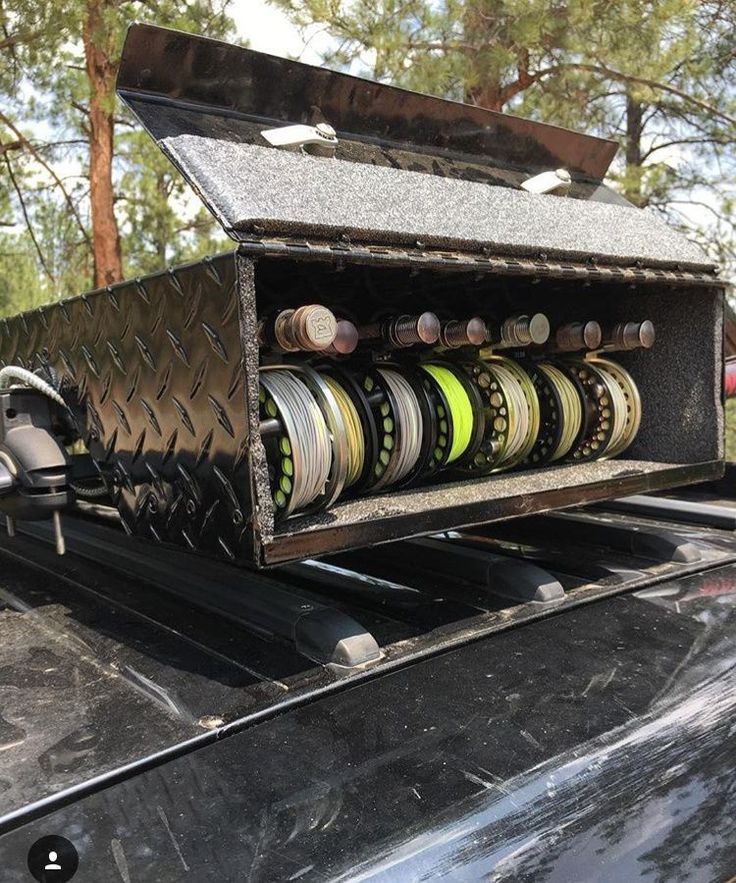


Storing Rods in Your Drift Boat: Best Practices
Proper storage of your drift boat rods goes beyond simply placing them in a case or on a rack. Adopting best practices will help extend the lifespan of your rods and ensure they are always ready for action.
First and foremost, always remove your rods from their cases or sleeves when not in use. Storing rods in their protective covers while in the boat can trap moisture and heat, leading to mold growth and damage to the rod's finish. Instead, store your rods in a cool, dry, and well-ventilated area of your boat, ensuring they are secure and won't shift during transport.
Rigging and Reel Storage
Properly rigging and storing your reels is crucial for maintaining the performance and longevity of both your rods and reels. When not in use, remove reels from your rods and store them in a cool, dry place, away from direct sunlight and heat sources. Use reel cases or protective sleeves to safeguard them from impacts and scratches.


If you prefer to leave your reels on your rods, ensure they are securely fastened and won't shift or move during transport. Consider using reel locks or reel seats with built-in reel retainers to prevent accidental dislodging. Additionally, regularly inspect your reel's drag system and gears to ensure they are functioning correctly and make any necessary adjustments or lubrication.
Regular Maintenance and Inspection
Regular maintenance and inspection of your drift boat rods are essential to identify and address any potential issues early. After each fishing trip, thoroughly clean your rods, removing any dirt, debris, or salt residue. Inspect the rod's finish, guides, and reel seat for signs of wear or damage, and address any concerns promptly.
Store your rods in a horizontal position when not in use, supporting the rod's midsection to prevent warping or bending. If you must store your rods vertically, use a rod-specific stand or support to distribute the weight evenly and prevent damage. By following these best practices, you can ensure your drift boat rods remain in optimal condition, ready to tackle the next adventure.
As a drift boat angler, your rods are your most valuable tools, enabling you to explore remote waters and connect with the natural world. By investing in the appropriate storage solutions and adhering to best practices, you can protect your investment and ensure your rods are always ready for the next exhilarating fishing excursion. So, gear up, hit the water, and let your drift boat rods guide you to the catch of a lifetime.
Related Articles
25+ Drift Boat Rod Storage Ideas: Clever Space Solutions
Spending time on the water in a drift boat creates some of the most peaceful and effective fishing experiences available, but managing your gear can be a...

Where to Store a Boat for Free: 10 No-Cost Storage Solutions
Finding reliable and affordable docking options is a top priority for many boat owners, and the search for where to store a boat for free can feel...

The Ultimate Guide to Pontoon Boat Storage Tips and Solutions
When the boating season comes to an end, one of the most important tasks for boat owners is finding the right storage solution for their pontoon boat. Proper...

Aluminum Boat Storage Ideas 10 Creative Space Saving Solutions
Protecting your investment starts with smart aluminum boat storage ideas that keep your vessel safe, clean, and ready for action whenever you need it. Whether...

Boat Tackle Storage Ideas Clever Solutions For Anglers
Organized boat tackle storage transforms frustrating fishing trips into smooth outings by ensuring every tool is exactly where you need it. Anglers who...

Boat Storage Solutions: Affordable Plano Boat Storage
Boat plano storage is a smart solution for watercraft owners who need a secure and dry location for their vessel when it is not on the water. Protecting a boat...