Sip Savvy: Exclusive Drink Special Menus You’ll Love
Every guest wants to feel they are getting a little extra value when they sit down at the bar or table, and a thoughtfully crafted drink special menu is one of the easiest ways to deliver that feeling. These curated lists of beverages go beyond simply listing ingredients; they tell a story, highlight seasonal creativity, and encourage guests to step outside their usual orders. When designed with intention, a drink special menu becomes a powerful tool for driving sales, showcasing bar talent, and building a distinct brand identity for any restaurant or nightlife venue.
From a business perspective, the strategic use of rotating drink options solves several problems at once. It allows a venue to move inventory efficiently, reduce waste, and respond quickly to shifts in customer preferences or the availability of fresh ingredients. For guests, it provides a sense of discovery and keeps the experience fresh, ensuring that repeat visits feel new and exciting. Mastering the art of the drink special menu is about balancing creativity with clarity, so that every offer feels both enticing and easy to understand.
Seasonal Ingredients and Local Sourcing
The most compelling drink special menus often draw inspiration from the freshest seasonal produce and local suppliers. By building drinks around berries, stone fruits, herbs, or vegetables that are at their peak, a bar can create offerings that taste vibrant and feel authentically connected to the moment. This farm-to-glass approach not only supports the community but also gives the menu a narrative that guests can easily grasp and appreciate, whether they are sipping a summer herb spritz or an autumn spiced cocktail.


Local sourcing also allows a venue to highlight specific regional producers on the menu, adding an element of provenance. Featuring a honey from a nearby apiary or a spirit distilled in the same state can turn a simple cocktail into a point of local pride. Guests appreciate the opportunity to taste the location they are in, and a well-curated special menu can showcase these partnerships while keeping the drinks approachable and delicious.
Highlighting Seasonal Produce
Designing a drink special menu around seasonal produce means letting the ingredients guide the creative process. A spring menu might feature rhubarb, strawberries, and fresh peas, while a winter menu could lean on roasted roots, citrus zest, and warming spices. When the components are ripe and flavorful, the resulting drinks require less manipulation and more respect for the raw materials, leading to cleaner, more satisfying flavors.


Consider a patio garden with an array of herbs and edible flowers that can be picked and dropped directly into a glass. This visual connection between the garden and the glass reinforces the idea that the drink is fresh and thoughtfully built. Seasonal produce not only impacts taste but also drives color and texture, making each cocktail visually appealing and aligned with the time of year.
Partnering with Local Producers
When a bar highlights a local distillery, brewery, or farm on its drink special menu, it creates a story that guests can connect with. Descriptive menu language that mentions the origin of a spirit or the name of a local farm adds depth to the experience and encourages guests to ask questions. This transparency builds trust and gives the venue a distinct personality that chain competitors often struggle to replicate.
Collaboration with nearby producers can also open the door to exclusive releases or limited-edition ingredients that are not available elsewhere. A small-batch gin distilled with regional botanicals or a seasonal liqueur created in partnership with a nearby fruit grower can become signature offerings. These partnerships elevate the entire experience, turning a simple drink special into a reflection of place and community.


Creative Flavor Profiles and Pairing Concepts
Beyond seasonality, a standout drink special menu explores bold and unexpected flavor combinations that surprise and delight the palate. Techniques like fat washing, herbal infusions, and smoke aging allow bartenders to layer complexity into a single glass. When these creations are grouped thoughtfully on a menu, they invite adventurous guests to explore new territories while still feeling grounded in familiar profiles like sweet, sour, or bitter.
Equally important is the concept of pairing drinks with food or with each other. Some venues design drink flights that echo a tasting menu, where each cocktail complements a specific dish or contrasts intentionally to highlight different flavor notes. This approach turns the bar into an interactive dining experience, where guests are encouraged to experiment and discover new favorites under the guidance of trained staff.
Exploring Unique Techniques
Advanced preparation methods like clarified cocktails, barrel aging small batches, or building drinks in layers can set a special menu apart from standard offerings. These techniques often result in a smoother texture, more integrated flavors, and a presentation that feels refined. Guests are drawn to the craftsmanship behind the glass, and they are usually willing to pay a premium for a truly expertly executed drink.


Smoke infusion is another powerful technique that adds drama and depth. Whether through a smoking cloche at the table or a carefully chosen wood in the glass, smoke creates an immediate sensory hook. Combined with ingredients like roasted fruit, honey, or tea, it can transform a simple cocktail into an experience that guests remember long after the evening ends.
Pairing with Food Menus
Integrating drink specials with the food menu creates a cohesive dining experience that feels polished and intentional. A spicy shrimp ceviche might call for a crisp, citrus-forward gin cocktail, while a rich chocolate dessert could be elevated by a small pour of smoky whiskey. When the pairing is clear, either on the menu or through staff recommendation, guests can make confident choices that enhance every course.
Additionally, offering nonalcoholic pairings ensures that all guests can participate in the experience. Botanical sodas, house-made shrubs, and artisanal zero-proof cocktails can mirror the complexity of their alcoholic counterparts. A thoughtfully designed drink special menu acknowledges the full spectrum of diners, turning inclusivity into a mark of quality.
Design, Clarity, and Guest Experience
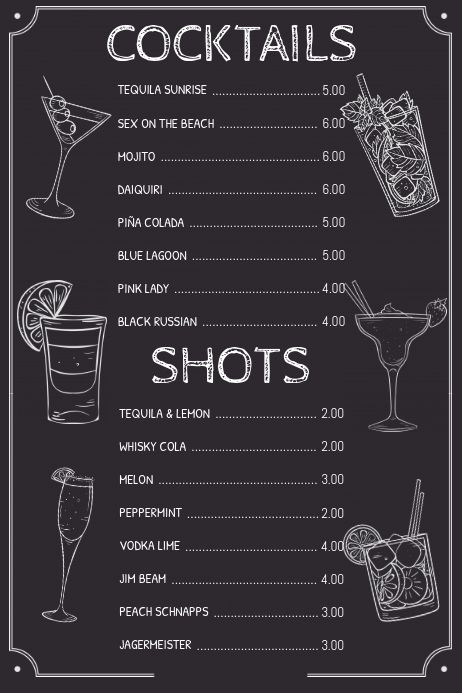
The visual presentation and wording of a drink special menu play a crucial role in how guests perceive the offerings. Clean layouts, high-quality photography, and concise descriptions help guests quickly identify what intrigues them. Highlighting a few signature drinks or staff picks can simplify decision-making, while still leaving room for exploration. A menu that feels cluttered or confusing, on the other hand, can deter guests from engaging with the specials at all.
Clarity extends to pricing and availability as well. When guests can see at a glance what they are getting and what it costs, they feel more comfortable trying something new. Rotating a portion of the menu regularly, perhaps weekly or monthly, keeps regulars returning to see what has changed. Consistent communication from staff about today’s specials ensures that every guest understands the opportunities available to them.
Visual Appeal and Branding
The design of a drink special menu should reflect the overall brand of the venue, from the color palette to the typography. A sleek, modern bar might opt for minimalist layouts with bold accents, while a cozy neighborhood tavern could feature hand-drawn illustrations and warm, rustic tones. Whatever the style, consistency helps reinforce identity and makes the specials feel like a natural part of the experience rather than an afterthought.
Including small icons or symbols can also improve usability. A simple mark to indicate house-made ingredients, vegan options, or low-ABV choices gives guests at a glance the information they need to align the menu with their preferences. Thoughtful visual cues reduce the need for constant staff explanation and empower guests to make confident decisions on their own.
Staff Knowledge and Service Integration
Even the most beautifully designed drink special menu will fall flat if the staff are not fully versed in the offerings. Bartenders and servers should be able to describe each drink in simple terms, including its main flavors, texture, and alcohol level. Training staff to share recommendations naturally during service turns the menu from a static list into a dynamic conversation that can increase check averages and guest satisfaction.
Encouraging servers to ask questions about guest preferences is another key element of service integration. Asking whether someone prefers something light, herbal, or bold helps narrow down options quickly. When staff can confidently connect a guest’s taste to a specific drink special, the interaction feels personalized and elevates the entire experience.
As venues continue to refine their drink special menus, the focus will remain on balancing creativity with clarity, and indulgence with accessibility. The goal is to offer something that feels special without overwhelming the guest, turning each visit into a memorable moment at the bar. Those who master this balance will keep guests curious, engaged, and eager to see what appears on the next rotation of thoughtfully crafted drinks.
Related Articles

Cute Username Ideas: 100+ Creative & SEO-Friendly Names You’ll Love
Choosing a username can feel surprisingly challenging, because this short digital label represents you across games, forums, social platforms, and work tools...

Zara Special Items Exclusive Deals Limited Stock
Zara special items represent the most coveted pieces in the global fashion landscape, curated with an eye for distinctiveness and trendsetting detail. These...

Creative Clay Fridge Magnet Ideas You’ll Love
Creating fridge magnet ideas from clay opens up a world of personalized charm for your kitchen while giving you a hands on way to transform simple raw material...

Cute Nicknames for Thomas: Adorable Short Names You’ll Love
Finding the perfect cute nickname for someone named Thomas can turn an ordinary introduction into a memorable moment. Whether you are searching for something...

Transform Your Space: 50+ DIY Dresser Paint Ideas You’ll Love
Transforming an ordinary bedroom or hallway starts with the furniture, and a well painted dresser can become the bold focal point of any room. DIY dresser...

Trending Weekly Drink Special Ideas To Boost Sales
In the dynamic world of hospitality, keeping your drink menu fresh and exciting is key to attracting and retaining customers. One effective way to achieve this...