Easy Meals for Picky Eaters Toddlers Simple Recipes and Tips
Navigating mealtime with a toddler who is a picky eater can feel exhausting and stressful for any parent.
You are not alone if your little one turns their nose up at nutritious meals or only accepts a handful of specific foods; this phase is incredibly common and rooted in a toddler’s natural desire for control and caution toward new textures and flavors.
Understanding the Picky Eater Phase
The journey of raising a healthy child often includes a season of selective eating, which can challenge even the most patient caregivers.


Instead of seeing this as a battle, it helps to view it as a normal stage of development where your child is learning to navigate independence and sensory experiences with food.
Creating a Pressure Free Environment
One of the most powerful strategies involves removing the pressure to eat, which helps reduce anxiety and makes exploration more appealing.


When you relax your expectations at the table, you allow your toddler to engage with new foods on their own timeline, without the stress of forced bites or angry reactions.
Role Modeling Healthy Habits
Toddlers are keen observers, and they often mimic the behavior they see more than they follow direct instructions.
When they witness you enjoying a variety of colorful fruits, crunchy vegetables, and balanced meals, the concept of trying new things shifts from a demand to an exciting opportunity.


Simple Strategies for Success
Implementing a few practical methods can transform frustrating dinners into more pleasant and productive experiences for the whole family.
Focusing on structure, consistency, and a relaxed atmosphere encourages gradual acceptance without turning every meal into a power struggle.
The Division of Responsibility in Feeding
This approach clarifies roles by having parents decide what, when, and where to offer food, while the child decides whether and how much to eat.


By respecting this boundary, parents reduce control battles and empower their child to listen to their internal hunger and fullness cues, fostering a healthier long term relationship with food.
Involving Toddlers in Food Preparation
When a toddler helps wash vegetables, stir ingredients, or choose a fruit at the store, they are more likely to feel a sense of ownership over the meal. >This simple act of participation can turn a previously rejected food into something they are curious to taste.
Building Nutritious and Appealing Plates
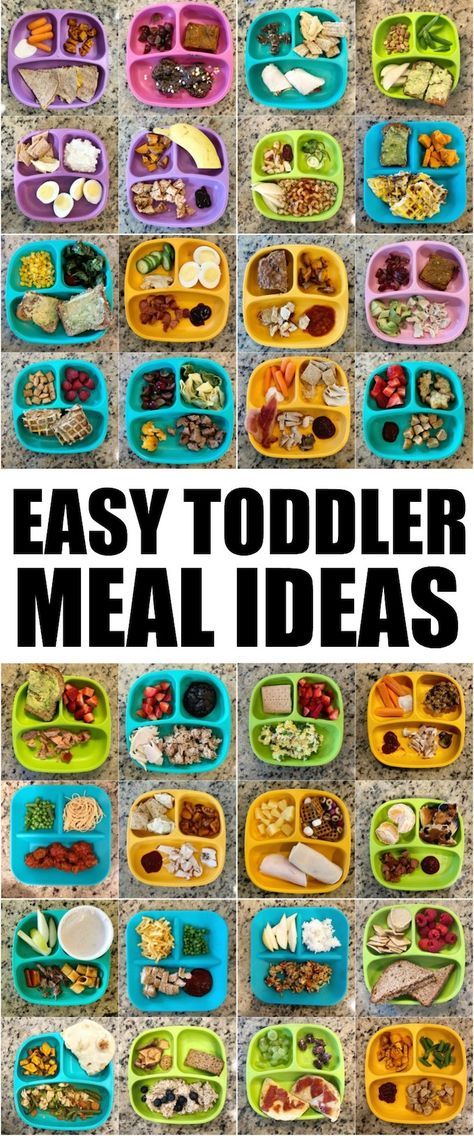
The visual appeal of a meal plays a significant role in whether a toddler is willing to explore a new dish.
Bright colors, fun shapes, and a variety of textures make the dining table more inviting and stimulate curiosity even before the first bite is taken.
Easy Meals for Picky Eaters: Simple Recipe Ideas
Preparing dishes with familiar flavors and minimal new ingredients can build confidence and encourage repetition.
Offering items like mini turkey sandwiches with the crusts cut off, cheese quesadillas, or pasta with a simple tomato sauce provides comfort while still allowing for nutritional balance.
Making Familiar Favorites Healthier
You can easily boost the nutrient density of beloved meals by sneaking in extra vegetables or swapping ingredients for whole grain alternatives.
Adding finely grated carrots or zucchini to meatballs, using whole wheat pasta, or mixing fruit into yogurt are subtle changes that enhance the nutritional profile without altering the taste they love.
Long Term Habits and Positive Routines
Consistency in meal timing and environment lays the foundation for stable eating patterns that support growth and development.
Regular family meals, where devices are put away and conversation is encouraged, help create a positive association with food and strengthen your bond with your child.
Managing Snack Times Effectively
Strategic snacking can bridge the gap between meals and ensure your toddler receives steady nutrition without ruining their appetite for balanced dinners.
Offering protein rich snacks like hard boiled eggs, hummus with soft vegetables, or small portions of nuts (if age appropriate) keeps energy levels stable and supports growth.
Graceful Persistence with Rejected Foods
It can take numerous exposures, sometimes ten to fifteen times, before a toddler accepts a new food, so patience is essential.
Instead of giving up after an initial refusal, continue to offer the rejected item alongside familiar favorites, presenting it neutrally without comment to reduce pressure and encourage natural curiosity.
Trusting the process and celebrating every small victory, like a new smell explored or a single bite tried, keeps the journey moving forward with patience and positivity.
Related Articles

Easy Meals for Picky Eaters Kids Delicious Recipes and Simple Cooking Tips
Mealtime with picky eaters can feel less like a family ritual and more like a battlefield, leaving parents searching for easy meals for picky eaters kids that...
Delicious Meals for Picky Eaters Easy Recipes and Tips
Navigating meals for picky eaters can feel like a daily puzzle for parents, caregivers, and anyone supporting a selective appetite. Many people assume that a...

Easy Simple Recipes for Picky Eaters: 10 Delicious Meals Everyone Loves
Cooking for picky eaters can often feel like a challenge, but it doesn't have to be. With a little creativity and some simple recipes up your sleeve, you can...
Easy Recipes for Picky Eaters Toddlers Quick Delicious Meals
Mealtime with a toddler who is picky can feel like navigating a maze blindfolded, especially when they push away healthy food with a firm little hand. Every...

Easy Winter Meals for Picky Eaters Simple Delicious Recipes
When the temperatures drop, and the snow starts to fall, the last thing you want to do is spend hours in the kitchen preparing a complex meal. But what if you...
Easy Meals for Very Picky Eaters: 10 Simple Recipes Kids Love
Cooking for a very picky eater can feel like an uphill battle where every meal turns into a negotiation. Instead of seeing this as a source of stress, view it...