Easy Toddler Dinners For Picky Eaters 10 Simple Recipes
Getting a picky toddler to eat a calm, nutritious dinner can feel impossible some nights, yet simple routines and tiny tweaks make weeknight meals much smoother. Easy toddler dinners for picky eaters are less about fancy tricks and more about consistent habits that build trust with food. When parents focus on structure, relaxed expectations, and smart swaps, dinner time slowly shifts from battle to connection. The goal is not perfection but steady progress toward a plate that is safe, appealing, and just challenging enough to encourage new tastes.
At this age, toddlers are learning control, testing boundaries, and navigating rapidly changing tastes, which makes dinner a common flashpoint for resistance. Many so called picky phases are normal parts of development, where a strong sense of independence meets a cautious approach to unfamiliar foods. Understanding that it can take dozens of exposures before a new food feels safe helps parents stay patient and keep offering without pressure. By pairing predictable routines with easy toddler dinners for picky eaters, families reduce stress and give kids the gentle repetition they need to explore food at their own pace.
Keep Dinner Simple and Structured
Kids thrive on routine, so a basic structure of plate, time, and place makes meals calmer for everyone. Offering just three to four easy options each night cuts down on decision overload for a toddler and reduces the urge to negotiate. When the same simple components appear across days, like a familiar grain, protein, and vegetable, children slowly grow more comfortable while still experiencing gentle variety.


Eliminating pressure to clean the plate, ask for bites, or hover over every bite allows appetite and autonomy to develop naturally. Short meals of twenty to thirty minutes, with screens off and everyone at the table, create a low stress environment where a picky eater can observe, explore, and choose what to try. This foundation of structure is the bedrock of any strategy for easy toddler dinners for picky eaters.
Build a Tiny Routine
A short wind down routine before sitting down to eat signals to a toddler that it is time to shift into a calmer, more mindful eating mode. Simple steps like hand washing, putting on a cozy bib, and sitting at the same spot help the brain associate these cues with the meal experience. Over time, this predictable pattern lowers anxiety and makes it easier for even a hesitant eater to show up at the table without resistance.


Keeping meal length reasonable and watching hunger cues prevents overtired crankiness that can derail an otherwise peaceful dinner. When parents follow a brief script, such as a calm reminder about sitting and taking small bites, toddlers learn what to expect and feel more secure. These little rituals are powerful tools for building consistency around easy toddler dinners for picky eaters.
Offer One New Food at a Time
Introducing a single new food alongside two or three familiar favorites makes trying something different feel manageable rather than overwhelming. Small portions, like one or two bites, remove the intimidating look of a full serving and lower the emotional barrier to tasting. By pairing the new item with preferred textures or flavors, parents can gently stretch the menu without triggering pushback.
Rotating these micro exposures across days and weeks, instead of pushing multiple new items at once, respects the slow pace at which many picky eaters expand their preferences. The key is to stay neutral and cheerful when the new food is touched, sniffed, or spit out, framing exploration as its own kind of success. This patient strategy helps easy toddler dinners for picky eaters gradually feel like safe experiments rather than high pressure tests.




Smart Food Swaps and Pairings
Adjusting textures, shapes, and cooking styles lets parents match a toddler’s current preferences while still stretching their comfort zone over time. A child who rejects crunchy raw carrots might happily nibble soft roasted pieces, while another may accept vegetables hidden inside a savory sauce or muffin. The trick is to observe which textures and temperatures your child gravitates toward and then mirror those qualities in slightly different versions.
Using dips, spices, and familiar formats like nuggets, bites, or skewers can turn a plain ingredient into something that begs for just one more bite. These small shifts let families keep nutrient dense foods on the menu without turning dinner into a culinary negotiation. With a little creativity, easy toddler dinners for picky eaters can stay familiar while still offering room to grow.
Fun Shapes and Colorful Plates
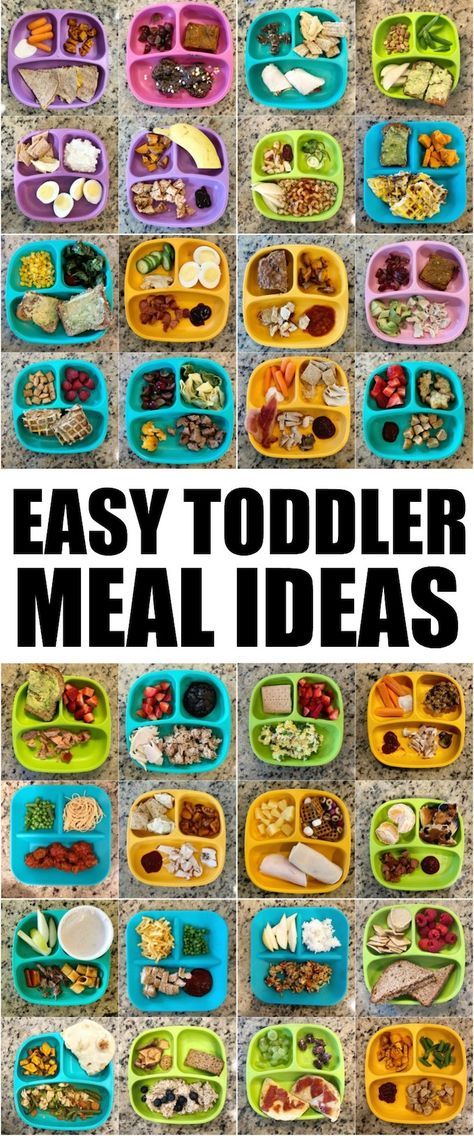
Presenting food in playful shapes, like stars cut from sandwiches or cucumber rounds with hummus dip, adds a game like quality that draws curiosity. Using colorful plates and arranging food into simple patterns or a silly face can make a meal feel like an invitation rather than a demand. Many toddlers respond positively when the focus stays on the visual appeal and playful details instead of the amount eaten.


Keeping portions small and allowing toddlers to feed themselves, even when it is messy, supports independence and sensory exploration. When the process matters more than the product, picky eaters often feel safer to experiment with different colors and tastes. Over time, these low key, visually engaging meals become a relaxed version of easy toddler dinners for picky eaters that both kids and parents enjoy.
Family Style Serving and Shared Tasting
Family style serving, where food sits in the middle of the table and everyone serves themselves, removes the spotlight from the picky eater and reduces pressure. Children can mimic parents piling tiny bits of new items next to preferred foods, observing how adults interact with each dish. This shared environment normalizes exploration and gently encourages social learning around food without direct instruction.
Short, calm tasting prompts, such as naming one color on the plate or describing how the food feels, keep the focus on curiosity rather than consumption. When the toddler sees siblings or parents trying and possibly even spitting out foods, the idea of experimenting becomes less risky. This shared, low intensity approach supports the gradual progress that defines sustainable easy toddler dinners for picky eaters.
Planning, Prep, and Mindset Shifts
Planning a loose weekly outline, such as taco Tuesday or pasta night with a new twist, gives toddlers a sense of predictability while still leaving room for improvisation. Batch cooking simple bases, like roasted vegetables, cooked grains, and meatballs, makes it easier to mix and match across days without last minute stress. A well stocked pantry with staples also reduces the pressure to create something entirely new every evening.
Reframing success as any interaction with a food, including looking, touching, or licking, helps parents stay patient through slow progress. When adults manage their own expectations and resist comparing their child to others, dinner time becomes a calmer, more emotionally safe space. This mindset, combined with practical strategies for easy toddler dinners for picky eaters, sets the stage for steady, lasting change.
Small Exposure Goals
Setting realistic exposure goals, like offering a new food a few times per week without pressure to eat, builds momentum over months rather than days. Keeping portions tiny and celebrating neutral interactions, such as moving the food closer to the mouth, encourages continued exploration. The slow accumulation of these micro steps often leads to surprising breakthroughs for toddlers who initially seem stuck.
Tracking these small wins in a simple journal or mental note reminds parents that progress is happening even on days when the plate barely changes. By measuring success through repeated exposure instead of immediate acceptance, families protect the relationship with food and reduce mealtime stress. This measured approach is a cornerstone of sustainable, easy toddler dinners for picky eaters.
Parent Modeling and Neutral Language
When parents describe food in neutral, sensory terms, like crunchy, soft, or tangy, they help toddlers build their own opinions without projecting fear or preference. Sitting down as a family to enjoy the same meal, even if portions differ, shows that trying new dishes is a shared value rather than a demand placed only on the child. Over time, this modeling normalizes curiosity and flexibility around eating.
Short, positive comments about how the food looks, smells, or feels at the table create a language of exploration that gently guides a picky eater toward tasting. When parents celebrate their own attempts at trying something new, toddlers internalize the idea that meals are safe spaces for experimentation. This supportive atmosphere amplifies the impact of every easy toddler dinners for picky eaters strategy.
With a few consistent routines, playful presentation techniques, and steady exposure, mealtimes can evolve into a calmer, more hopeful space for families. Every small step, from trying one new ingredient to sharing a relaxed bite at the table, builds confidence for both parents and toddlers. By keeping the approach flexible and focused on connection, caregivers can nurture a lasting, healthy relationship with food.
Related Articles

Easy Kid Friendly Dinners For Picky Eaters Reddit 15 Simple Recipes
Navigating mealtime with a picky eater can feel like a full time job, but the Reddit community is full of parents who have cracked the code for easy kid...

Easy Meal Recipes for Picky Eaters: Deliciously Simple Dinner Ideas
Cooking for picky eaters can often feel like a daunting task, but it doesn't have to be. With a little creativity and some smart planning, you can whip up...
Easy Kid Friendly Indian Dinner Ideas For Picky Eaters Quick Recipes
Planning easy kid friendly dinners for picky eaters indian can feel like a daily challenge, but it is absolutely possible to serve meals that are familiar...

Easy Simple Recipes for Picky Eaters: 10 Delicious Meals Everyone Loves
Cooking for picky eaters can often feel like a challenge, but it doesn't have to be. With a little creativity and some simple recipes up your sleeve, you can...

Easy Winter Meals for Picky Eaters Simple Delicious Recipes
When the temperatures drop, and the snow starts to fall, the last thing you want to do is spend hours in the kitchen preparing a complex meal. But what if you...
Easy Kid Dinners For Picky Eaters 15 Delicious Kid Friendly Recipes
Dinner time can turn into a daily battle when you are cooking for picky eaters who seem to reject every new dish. Finding easy kid dinners that feel safe...