Elevated Raised Bed Garden Ideas 10 Creative DIY Designs For Maximizing Space
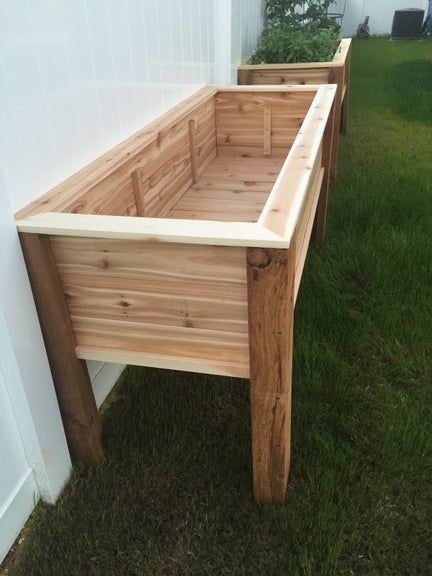
Elevated raised bed gardens are a gardener's dream, offering numerous benefits that range from improved plant health to easier maintenance. By lifting your garden off the ground, you create a controlled environment that's perfect for growing a variety of plants, from vegetables to flowers. Let's delve into some innovative ideas to help you create the ultimate elevated raised bed garden.
Before we dive into specific ideas, it's essential to understand why elevated raised bed gardens are gaining popularity. They provide better drainage, warmer soil, easier access for planting and harvesting, and reduced weed growth. Plus, they add a touch of aesthetic appeal to your outdoor space. Now, let's explore some exciting ideas to help you make the most of your elevated garden.
Design and Material Options
One of the first decisions you'll need to make is choosing the design and material for your elevated raised bed. The design should complement your garden's style while providing the functionality you need.


Wood is a popular choice for elevated raised beds due to its natural appearance and ease of use. Cedar and redwood are excellent options as they resist rot and insects. However, ensure the wood is untreated to avoid chemical leaching into your soil. Alternatively, consider composite materials, which are durable, low-maintenance, and eco-friendly.
Contemporary Designs
For a modern look, consider clean lines and geometric shapes. Square or rectangular beds with sharp corners and a sleek finish can create a striking contrast against lush greenery. You can also incorporate built-in seating or benches to create a multi-functional space.


To add a touch of elegance, consider using metal or glass accents. Metal edging can add a modern touch, while glass can create a stunning visual effect, allowing you to see the soil and roots below. Remember, the key to a contemporary design is simplicity and clean lines.
Rustic and Natural Designs
If you prefer a more rustic look, consider using natural materials like stone or reclaimed wood. irregularly shaped beds can create a more organic feel, mimicking the natural landscape. Incorporating living elements like moss or ivy can further enhance this natural aesthetic.
Another option is to use a living wall as part of your elevated raised bed. This can be achieved by planting climbing plants like ivy or clematis on the sides of your bed. As these plants grow, they'll create a beautiful, green wall that blends seamlessly with the rest of your garden.


Unique Garden Layouts
Once you've decided on the design and material, it's time to think about the layout of your elevated raised bed garden. The layout can significantly impact the functionality and aesthetic appeal of your garden.
One popular layout is the tiered design, which involves stacking beds on top of each other. This not only saves space but also creates a striking visual effect. It's perfect for small gardens or balconies where space is at a premium. Just ensure that the top tiers are easily accessible for planting and harvesting.
Zoning and Companion Planting
Another layout option is to zone your garden based on plant types or uses. For example, you might have a separate bed for herbs, another for vegetables, and a third for flowers. This can make it easier to manage your garden and ensure that plants with similar needs are grouped together.




Companion planting is another technique you can use to maximize the productivity of your elevated raised bed garden. By planting certain plants together, you can create a symbiotic relationship that benefits both plants. For example, marigolds can help deter pests, while basil can improve the flavor of nearby tomatoes.
Ornamental and Edible Gardens
Why not combine the beauty of an ornamental garden with the practicality of an edible one? You can achieve this by interspersing edible plants like herbs and vegetables among your flowers. This not only creates a visually appealing garden but also provides you with fresh produce.
To make this work, choose plants that complement each other in terms of color, shape, and size. For example, you might plant red lettuce among a bed of purple basil and yellow marigolds. Not only will this create a stunning visual effect, but the plants will also benefit from each other's presence.
As you plan your elevated raised bed garden, remember that the key to a successful garden is to choose plants that suit your climate and soil conditions. With a little creativity and careful planning, you can create a garden that's both beautiful and productive. So, grab your gardening gloves and start digging - your elevated raised bed garden awaits!
Related Articles

Elevated Raised Garden Bed Ideas 10 Modern DIY Designs For Maximum Yield
Elevated raised garden beds have surged in popularity, offering a practical and visually appealing solution for urban gardeners and those with mobility...

Elevated Raised Garden Beds Designs: 15 Modern Ideas for a Thriving Yard
Elevated raised garden beds designs transform ordinary outdoor spaces into productive, organized, and visually appealing gardens. These structures lift the...

10 Best DIY Garden Trellis Ideas Creative Vertical Designs
Transform your garden into a lush, vertical oasis with these 10 creative and DIY-friendly garden trellis ideas. Whether you're aiming to support climbing...

Stunning Pebble Garden Ideas NZ Creative Designs
Creating a pebble garden ideas nz project is a wonderful way to bring a touch of nature and calm to outdoor spaces across the country, from compact city...

Small Garden Design Ideas: Maximizing Your Outdoor Space
Creating a small to medium garden design ideas can transform an ordinary outdoor patch into a personal sanctuary that reflects your style and brings daily joy...

Stunning Small Space Succulent Garden Ideas Indoor maximizing every inch
Transforming small spaces into lush, green oases is not only possible but also incredibly rewarding. Indoor succulent gardens are a fantastic way to bring...