10 Stunning Wood Pergola Examples with Construction Details
Wood pergolas, elegant and timeless structures, have long been a staple in landscape design. They provide shade, define outdoor spaces, and add a touch of rustic charm to any setting. Let's delve into the world of wood pergolas, exploring their examples and construction details to help you create your perfect outdoor retreat.
Wood pergolas come in various styles, each offering a unique aesthetic and functionality. From classic to modern, there's a design to suit every taste. But before we dive into the examples, let's discuss the basic construction details that make up these beautiful structures.
Understanding Wood Pergola Construction
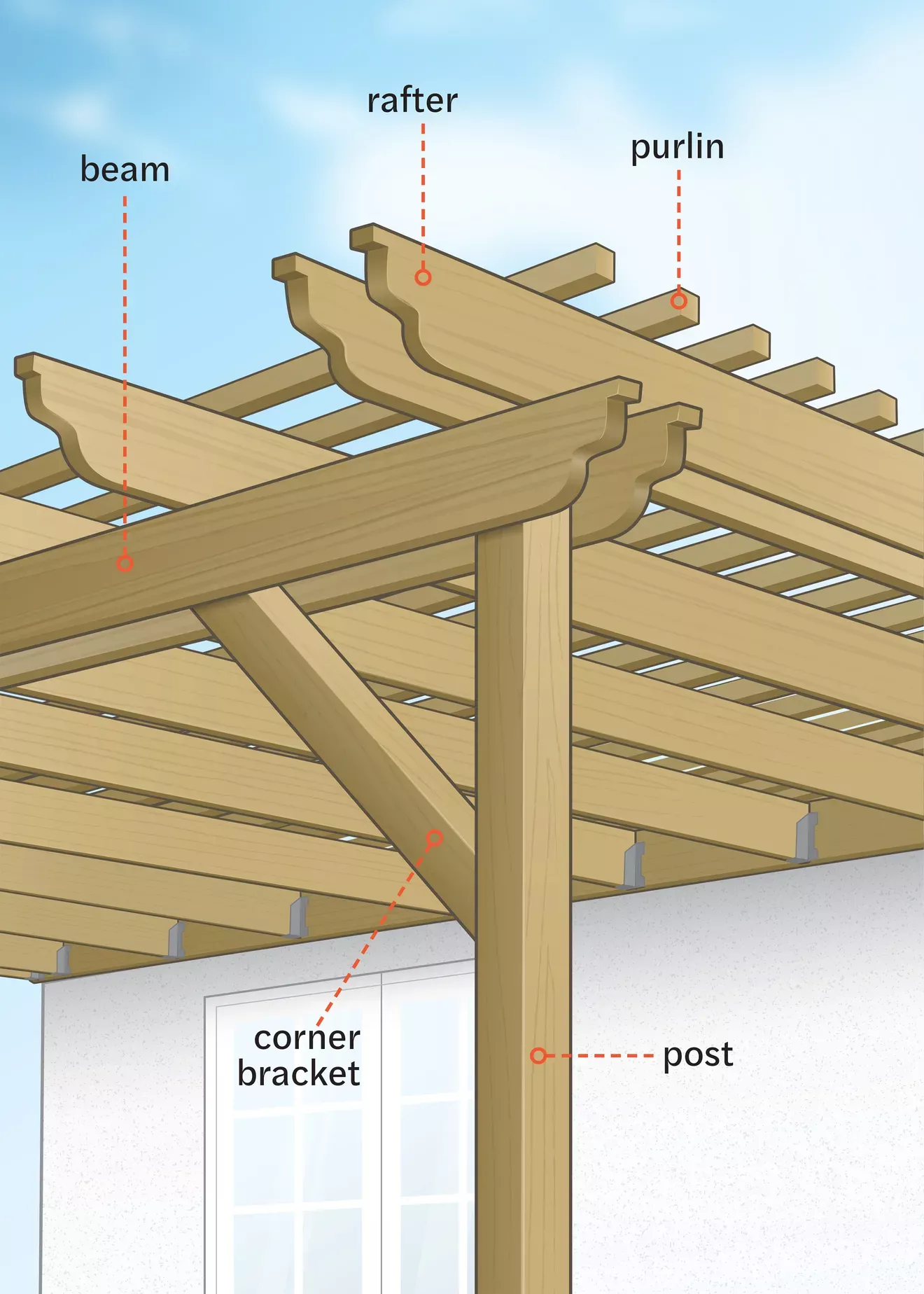
At the core of every wood pergola lies a simple yet robust framework. This framework consists of vertical posts, horizontal beams, and rafters or latticework that create the characteristic open roof. The posts, typically made of pressure-treated lumber, are set into concrete footings for stability and longevity.


The horizontal beams, also known as the pergola's "girders," connect the posts and provide support for the rafters or lattice. These beams can be simple 2x6 or 2x8 boards or more decorative options like timbers or reclaimed wood. The rafters or latticework sit atop the beams, creating the open roof that allows light and air to filter through.
Post and Beam Construction
Post and beam construction is the most common method for building wood pergolas. This method involves attaching the horizontal beams directly to the posts using brackets or bolts. The rafters are then laid across the beams, creating a simple yet effective structure.


For a classic look, consider using traditional 4x4 or 6x6 posts and 2x6 or 2x8 beams. For a more rustic appearance, opt for reclaimed wood or timbers. To add a touch of elegance, consider using decorative brackets or corbels to connect the posts and beams.
Latticework Construction
Latticework construction involves creating an open, crisscross pattern with the rafters. This not only adds visual interest but also provides more shade and support for climbing plants. The lattice can be created using 1x2 or 2x2 boards laid diagonally across the beams.
For a more intricate look, consider using a lattice pattern with varying angles or spacing. You could also use pre-made lattice panels for a simpler, more uniform appearance. Remember, the tighter the lattice, the more shade it will provide, but also the less airflow there will be.




Examples of Wood Pergola Designs
Now that we've discussed the basic construction details let's explore some wood pergola examples to inspire your own design.
From classic to modern, there's a wood pergola design to suit every taste and setting.
Classic Wood Pergola
The classic wood pergola is a timeless design that features simple, clean lines and a traditional open roof. This design works well with a variety of architectural styles and can be customized with different post and beam sizes, decorative brackets, or lattice patterns.


For a classic look, consider using traditional 4x4 or 6x6 posts and 2x6 or 2x8 beams. You could also add a touch of elegance with decorative brackets or corbels. To create more shade, consider adding a lattice pattern or even a retractable canopy.
Modern Wood Pergola
The modern wood pergola is characterized by its clean lines, minimalist design, and use of natural materials. This design often features larger posts and beams, as well as a more open lattice or rafter pattern.
For a modern look, consider using larger posts and beams, such as 6x6 or 8x8 timbers. You could also use a more open lattice pattern or even create a geometric design with the rafters. To add a touch of industrial style, consider using metal brackets or hardware.
Rustic Wood Pergola
The rustic wood pergola celebrates the natural beauty of wood, often featuring reclaimed or rough-sawn lumber. This design works well in cottage-style gardens or rustic landscapes and can be customized with different post and beam sizes and decorative elements.
For a rustic look, consider using reclaimed wood or rough-sawn timbers for the posts and beams. You could also add decorative elements like wooden wheels, metal brackets, or even a wooden bench built into the structure.
As you plan your wood pergola, remember that the key to a successful design is to choose a style that complements your home and landscape. Whether you opt for a classic, modern, or rustic design, a wood pergola is sure to add beauty and functionality to your outdoor space. So, grab your tools and let the building begin!
Related Articles
Stunning Wooden Pergola Examples with Construction Details and Pictures
Wooden pergolas, with their rustic charm and elegant design, have become a popular choice for outdoor living spaces. These structures not only provide shade...
15 Stunning Examples and Construction Details of Wooden Pergola Ideas
Wooden pergolas bring warmth, structure, and a timeless outdoor feel to any garden or patio area. These open-roofed structures provide partial shade and define...

10 Stunning Examples and Construction Details of Wooden Pergolas for Your Backyard Oasis
Nestled in the heart of countless gardens and backyards, wooden pergolas stand as elegant and functional structures, offering shade, defining spaces, and...

Transform Your Pergola with Stunning Decorative Panels
Decorative panels for pergolas are a sophisticated design solution that blends architectural structure with artistic expression, turning an ordinary outdoor...
Complete Guide to Wooden Pergolas: Examples and Construction Details PDF
Wooden pergolas, with their rustic charm and elegant design, have become a staple in outdoor landscaping. These structures not only enhance the aesthetic...

Stunning Pergola Decorating Ideas With Roof For Outdoor Living
Transform your outdoor space into a cozy, inviting haven with these creative pergola decorating ideas featuring roofs. Pergolas with roofs not only provide...