Fifth Grade Recycling Project Ideas
In the realm of environmental awareness and sustainability, fifth graders are proving that you're never too young to make a difference. Recycling projects in fifth grade classrooms are not only teaching students about the importance of waste reduction but also instilling a sense of responsibility towards the planet. Let's delve into the world of fifth-grade recycling projects, their benefits, and how you can get involved.
According to the Environmental Protection Agency (EPA), recycling helps conserve natural resources, reduces pollution, and saves energy. By introducing recycling projects in fifth grade, we're laying the foundation for a greener future. But what exactly are these projects, and how do they impact young minds?
Understanding Fifth Grade Recycling Projects
Fifth-grade recycling projects are hands-on learning experiences that combine environmental education with practical application. They range from classroom-based activities to school-wide initiatives, each designed to teach students about the recycling process, the importance of waste reduction, and the impact of their actions on the environment.


These projects often involve setting up recycling bins, sorting waste materials, and creating art or useful items from recycled products. They also encourage critical thinking, problem-solving, and teamwork, making them valuable learning experiences beyond environmental education.
Classroom Recycling Systems
Setting up a classroom recycling system is one of the most common fifth-grade recycling projects. It involves designating specific bins for different types of waste, such as paper, plastic, metal, and glass. Students learn to sort their waste correctly, reducing contamination and increasing the recycling rate.


To make it engaging, teachers can create recycling-themed art projects, like making a poster or a mural, to educate their peers about the importance of recycling. This not only teaches students about recycling but also promotes creativity and artistic expression.
Upcycling Projects
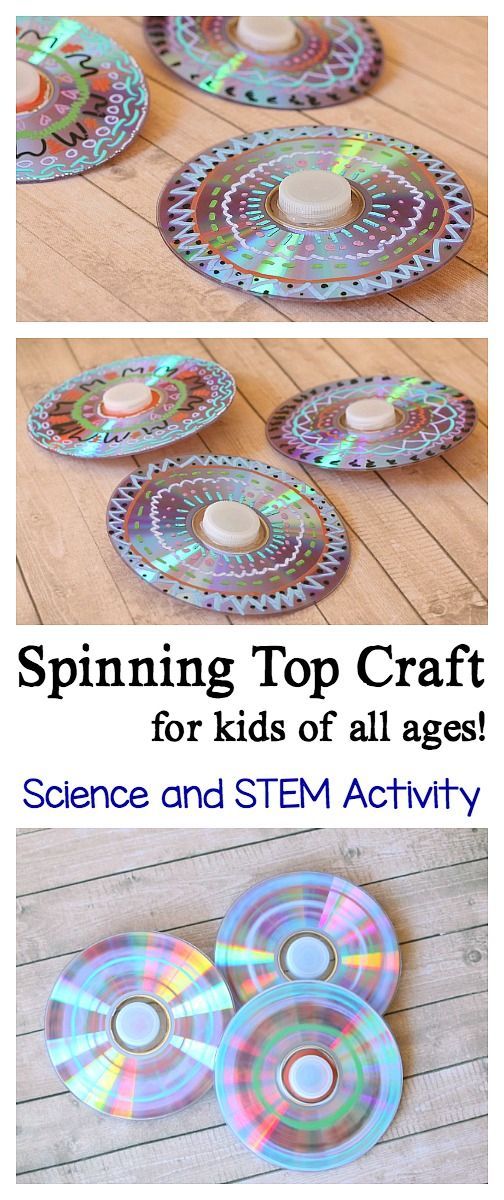
Upcycling, the process of converting waste materials into new materials or products of better quality or for better environmental value, is another popular fifth-grade recycling project. It encourages students to think beyond waste disposal and consider the potential of discarded items.
For instance, students can create bird feeders from plastic bottles, planters from old tires, or jewelry from recycled paper beads. These projects not only teach students about recycling but also foster innovation, creativity, and a respect for the environment.


The Impact of Fifth Grade Recycling Projects
Fifth-grade recycling projects have a significant impact on students, their schools, and the wider community. They foster a sense of environmental responsibility, encouraging students to adopt sustainable practices in their daily lives.
Moreover, these projects can lead to school-wide or even community-wide recycling initiatives. By seeing the impact of their actions, students are motivated to continue making a difference, even beyond their fifth-grade years.
Educating the Next Generation
Fifth-grade recycling projects play a crucial role in educating the next generation about the importance of waste reduction and recycling. By learning about these issues at a young age, students are better equipped to make informed decisions about the environment throughout their lives.




According to a study by the National Environmental Education Foundation, students who participate in environmental education activities, like recycling projects, are more likely to engage in pro-environmental behaviors as adults. This underscores the importance of these projects in shaping future environmental stewards.
Encouraging Sustainable Practices
Recycling projects in fifth grade also encourage sustainable practices in other areas of life. Students may start thinking about reducing water usage, conserving energy, or even planting trees to help the environment.
By connecting recycling to broader environmental issues, these projects help students understand the interconnectedness of the natural world and the importance of their role in protecting it.
As we've seen, fifth-grade recycling projects are more than just waste management exercises. They're opportunities for students to learn, create, and make a real difference in the world. So, whether you're a teacher looking to start a recycling project, a parent encouraging your child's school, or a community member wanting to get involved, remember that every effort towards sustainability is a step in the right direction. Let's empower our fifth graders to lead the way towards a greener future. After all, they're not just recycling; they're creating a better world, one bin at a time.
Related Articles

Simple Recycling Projects for Grade 5 Kids
Recycling is a vital part of preserving our environment, and it's never too early to start learning about it. Grade 5 students can understand and participate...

5th Grade Recycling Project Ideas: Inspiring Eco-Friendly Fun
In the 5th grade, students are eager to learn about the world around them and how they can make a positive impact. One engaging and educational way to channel...

2nd Grade Recycling Project Ideas
Engaging second graders in recycling projects not only teaches them about the environment but also fosters a sense of responsibility and creativity. Here...

1st Grade Recycling Project Ideas Fun Eco-Friendly Crafts for Kids
Engaging 1st graders in recycling projects not only promotes environmental awareness but also fosters a sense of responsibility and creativity. Here are some...

Grade 5 Science: 10 Engaging Recycling Project Ideas
Recycling is a vital process that helps conserve resources and protect the environment. It's an excellent topic for grade 5 science projects, as it combines...
Recycling Ideas for Schools: Creative Project Inspiration
Recycling is a vital practice that helps conserve natural resources, reduces pollution, and saves energy. Schools, as hubs of young, impressionable minds, are...