Stunning Front Door Entryway Tile Ideas For Your Home
Your front door is the cinematic opening scene of your home, setting the tone for every arrival and departure. Choosing the right front door entryway tile ideas can transform a simple transition space into a durable piece of art that welcomes guests with style. This guide explores creative patterns, material choices, and design tips to help you craft an entryway that impresses from the first step.
When planning a renovation or update, it is important to consider how your tiles interact with surrounding architecture. The right selection balances visual interest with practical needs such as water resistance and slip prevention. By aligning your front door entryway tile ideas with your home’s aesthetic and climate, you ensure the space remains as beautiful as it is functional over time.
Material and Finish Choices
Ceramic and porcelain tiles are popular for high-traffic mudrooms because they are resilient and easy to clean. A honed or matte finish reduces glare and hides fine scratches, keeping the surface looking fresh season after season. For a more luxurious look, you can incorporate natural stone such as travertine or slate, though these may require more maintenance in wet climates.


Glass and metal inserts can add a touch of modern shimmer, catching light as family members move through the doorway. When mixing materials, maintain a cohesive color palette so the entryway feels unified rather than chaotic. Consider testing sample tiles in the actual lighting conditions of your space to confirm how each material plays together before committing to a large installation.
Pattern and Layout Play
Herringbone and basketweave patterns introduce dynamic movement underfoot, guiding the eye toward the interior door. These front door entryway tile ideas work especially well in narrower foyers, creating an illusion of depth and width. A classic grid layout with square tiles remains timeless, offering a clean backdrop for decorative rugs or artwork on the wall.


For a bold statement, try a large-format slab with minimal grout lines to achieve a seamless, spa-like expanse. Contrast grout colors can outline each tile like a modern pixelated design, adding definition without overwhelming the space. Remember to plan for expansion joints and trim pieces to ensure edges look intentional and professional.
Color Palette and Visual Flow
Neutral grays, beiges, and soft whites provide a versatile backdrop that easily accommodates seasonal decor changes. If your home features bold accent walls or statement furniture, let the entryway act as a neutral corridor that prepares the eye for the main rooms. Alternatively, you can echo a signature color from your interior palette to create continuity between spaces.
In homes with children or pets, medium-toned surfaces hide scuffs and dirt better than pure white or black. Textured finishes can camouflage wear while still contributing to a refined aesthetic. Selecting slip-resistant tiles with a bit of tooth ensures safety without compromising on style.


Design Themes and Personal Expression
Coastal-inspired schemes often use cool blues and sandy beiges, paired with subtle wave patterns that evoke a sense of calm. Rustic cabins benefit from warmer tones and rugged stone looks that connect the outdoors to the indoors. Urban lofts might embrace concrete-look tiles with edgy metallic trims for a minimalist yet industrial vibe.
Whatever theme you choose, consider how the design will age as trends evolve. Timeless simplicity often outperforms fleeting fads, especially in functional zones like entryways. Look for ways to incorporate personal touches, such as a custom mosaic nameplate or a small niche for keys, without cluttering the visual field.
Functional Zoning and Storage Integration
Integrating built-in benches, cubbies, or floating shelves into your tile plan helps manage clutter while maintaining a streamlined appearance. Tiles that extend partway up the wall create a washable baseboard that resists scuffs and mud splashes. Planning these zones early ensures that electrical outlets, switches, and plumbing are all accounted for in the layout.


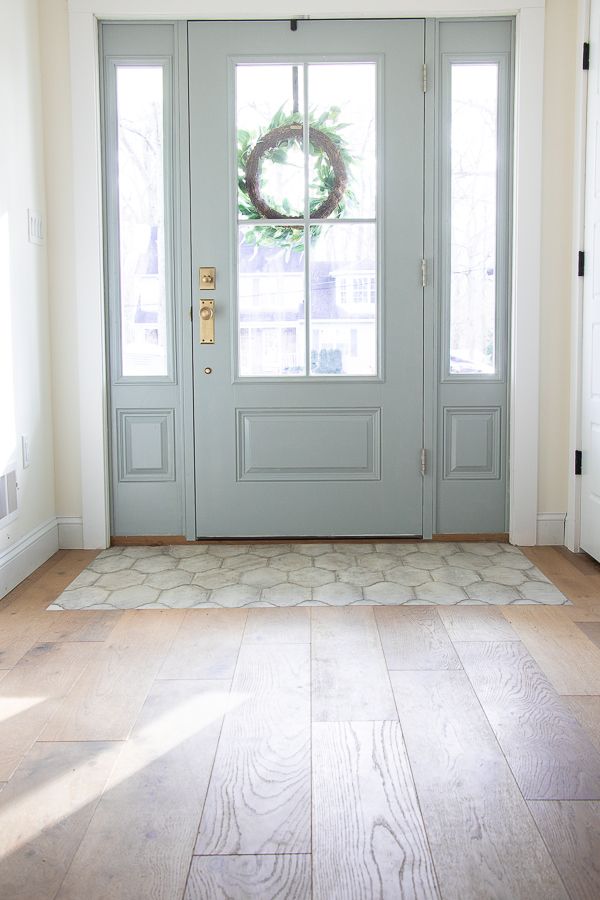

Layering a runner or small rug on top of a larger tiled field adds comfort underfoot and defines a standing area for putting on shoes. Choose machine-washable rugs with non-slip backing to keep the space safe and easy to maintain. Coordinating hardware and lighting fixtures with your tile finishes can further unify the design story.
Lighting and Decorative Accents
Strategically placed sconces or pendant lights above the entry table highlight your tile work and improve functionality. Reflective surfaces, such as glossy accents or a mirror framed in complementary materials, can make the area feel brighter and more expansive. On darker days, warm-toned lighting brings energy and clarity to the transition zone.
Artwork, family photographs, or a small console table can turn the entryway into a display of personal memories. Keep décor items to a curated selection to prevent the space from feeling overcrowded. With every change of season, refreshing a single element, like a vase or tray, gives the room an updated look without a full remodel.
By thoughtfully combining durable materials, intentional patterns, and personalized details, your front door entryway can become a memorable first impression. Allow your unique taste to shine through while prioritizing practical elements that support everyday life. Take your time exploring options, adjust the plan as needed, and create an entry space that feels both welcoming and distinctly your own.
Related Articles

Stunning Front House Gate Design Ideas For Your Home curb appeal
Front house gate design ideas are more than just a barrier; they are the first statement your home makes to the world, setting the tone for your entire...

Stunning Cool Entryway Wall Art Ideas For Your Home Decor
Transform your home's first impression with captivating cool entryway wall art. A well-curated piece can instantly set the tone for your entire space, creating...

Stunning Front Entrance Hallway Light Ideas For Your Home
The front entrance hallway light sets the tone for every time you step into your home, acting as the first visual embrace after a long day. This often...

Stunning Modern Farmhouse Entryway Table Ideas for Your Home
Modern farmhouse entryway table ideas blend rustic warmth with streamlined functionality, creating a welcoming focal point the moment you step inside. This...

Brighten Your Entry: Stunning Front Door Ceiling Light Ideas
Selecting the right front door entrance ceiling light sets the tone for every arrival and departure, making this fixture a critical element of both style and...

White Tile Flooring Decor Ideas Stunning Designs For Your Home
White tile flooring has long been a popular choice for homeowners seeking a clean, modern, and timeless look. Its versatility, durability, and ease of...