Frozen Meal Dinners: Quick, Easy, and Nutritious
Frozen meal dinners have become a cornerstone of modern eating, offering busy professionals, parents, and students a practical way to enjoy a hot meal without extensive cooking. These convenient options range from classic dishes like lasagna and chicken pot pie to globally inspired bowls featuring rice, noodles, and vegetables. The appeal lies in the balance of speed, portion control, and generally affordable pricing that makes them a staple in many freezer aisles. Today’s market provides more variety than ever, catering to different dietary needs, taste preferences, and lifestyle goals.
What started as simple trays of meat and potatoes has evolved into a diverse category that includes gourmet sauces, organic ingredients, and chef-designed menus. Consumers can find everything from hearty stews to sushi bowls, all designed to heat up in minutes. This evolution responds to the growing demand for food that fits hectic schedules while still delivering satisfaction and flavor. As a result, frozen meal dinners now compete closely with homemade cooking and restaurant takeout, making them a viable option for any day of the week.
Convenience and Time Savings
The primary advantage of frozen meal dinners is the unmatched convenience they bring to daily life. After a long day, the thought of planning, shopping for, and preparing a full meal can feel overwhelming. With these pre-packaged options, you simply remove a tray from the freezer, follow a few heating instructions, and have a complete plate ready in under fifteen minutes. This efficiency is especially valuable for individuals juggling work, family, and personal commitments.


Another time-saving benefit is the reduction of kitchen cleanup. Cooking from scratch often means multiple pots, pans, and utensils to wash. In contrast, most frozen meal dinners are served in a single tray or bowl that goes straight into the trash or recycling. This streamlined process minimizes post-dinner chores and allows people to spend more time relaxing or pursuing hobbies. The ability to plan meals for an entire week in just one shopping trip further enhances the time-saving appeal.
Portion Control and Planning
Many frozen meal dinners are designed with specific portion sizes, which can help people manage their calorie intake and avoid overeating. For those monitoring their weight or following a structured eating plan, this built-in portion control removes the guesswork of measuring ingredients. It also simplifies grocery budgeting since you know exactly how many meals you are purchasing. This predictability makes it easier to stick to a weekly food budget without last-minute impulse buys.


Advance meal planning becomes significantly easier when relying on a selection of frozen options. You can review a catalog of meals, choose a variety that suits your taste, and prepare a balanced weekly menu in minutes. This organization reduces decision fatigue at the end of the day and ensures that you always have a viable dinner option on hand. Families, in particular, appreciate the ability to coordinate meals around different schedules and dietary requirements using pre-packaged trays.
Storage and Shelf Life
Freezer storage is a key factor in the popularity of these dinners, as it dramatically extends the usability of prepared food. By freezing meals at peak freshness, manufacturers lock in flavor and nutrients for months. This means you can stock up on favorites during sales without worrying about spoilage. A well-stocked freezer acts as an emergency food supply, ensuring that you always have a backup dinner after a busy day.
The durability of frozen meals also reduces food waste compared to fresh ingredients that might spoil before being used. You can use exactly what you need for a single serving without committing to a large recipe. This flexibility is ideal for small households or anyone who wants to enjoy variety without throwing away leftovers. Proper freezing techniques allow you to preserve homemade batches of soup, casserole, or curry for later enjoyment as well.


Variety and Culinary Trends
The frozen food aisle now reflects global culinary trends, moving far beyond basic TV dinners to include cuisine from Italy, Japan, Mexico, and Thailand. You can find pad Thai, butter chicken, classic meat pies, and wood-fired pizza, all designed to deliver an authentic experience in minutes. This expansion appeals to adventurous eaters who want to explore new flavors without the complexity of cooking unfamiliar dishes. The variety ensures that there is something for every palate, from spicy to mild, vegetarian to carnivorous.
Health-conscious consumers are driving innovation in the category, leading to meals that are lower in sodium, higher in fiber, and made with cleaner ingredients. Many brands now highlight non-GMO, gluten-free, or plant-based options on their packaging. This shift demonstrates that convenience no longer requires a compromise on nutritional quality. Shoppers can compare labels and select meals that align with their personal health objectives, such as heart-healthy or diabetic-friendly formulations.
Gourmet and Restaurant-Quality Options
Advancements in freezing technology have allowed manufacturers to preserve the texture and taste of high-end ingredients. You can now purchase frozen meals featuring seared steaks, gourmet cheeses, and artisanal sauces that rival restaurant quality. These products target diners who want the indulgence of a fancy meal without the high price or wait time. The attention to detail in packaging helps maintain the visual appeal of the food, making the experience feel more special.


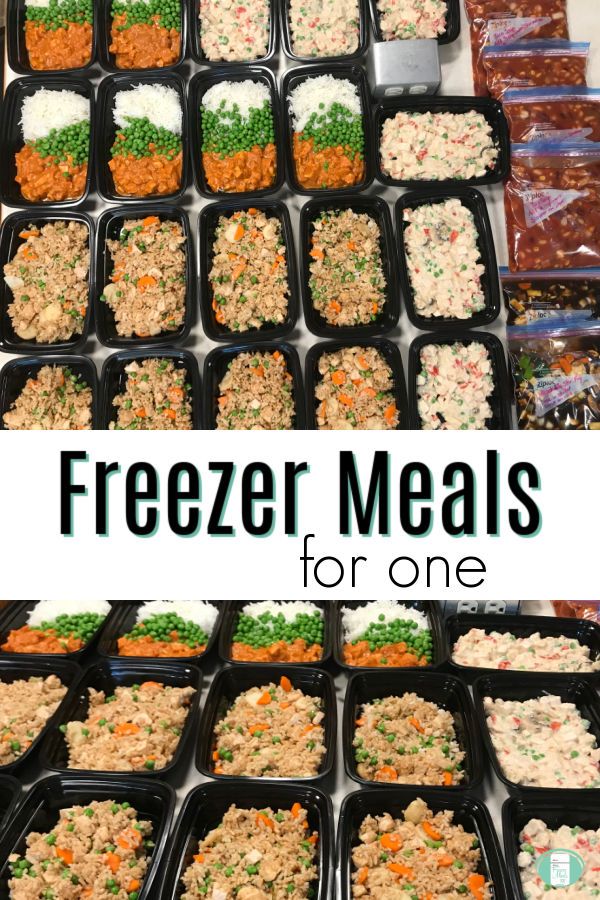


Chef collaborations and celebrity endorsements have also elevated the perception of frozen dinners. Food experts contribute recipes that focus on layering flavors and using premium components. This trend has blurred the line between home cooking and professional cuisine, proving that a meal prepared in a factory can still be sophisticated. Consumers now view these products as a legitimate option for hosting guests or enjoying a personal treat.
Dietary Preferences and Restrictions
Modern frozen meal lines cater to a wide range of dietary needs, including vegan, keto, paleo, and low-carb lifestyles. Brands are transparent about macros and ingredients, making it simple to find a meal that fits specific nutritional goals. Plant-based eaters, for example, can choose from a variety of lentil stews, grain bowls, and vegetable curries that provide substantial protein and flavor. This inclusivity helps people stick to their dietary choices without feeling limited.
Allergen awareness is another critical factor in product development. Many manufacturers clearly label meals containing gluten, dairy, nuts, or soy, giving shoppers confidence in their selections. For those with specific sensitivities, there are dedicated lines that avoid common triggers while still delivering satisfying meals. This focus on safety and clarity has made frozen options more accessible to a broader audience.
Exploring the world of frozen meal dinners reveals a category that balances practicality with culinary enjoyment. It offers a reliable solution for weeknight dinners, supports diverse dietary choices, and adapts to evolving consumer expectations. By considering the array of options available, you can discover meals that save time, reduce stress, and still deliver on taste.
Related Articles

Easy Crockpot Chicken Meal Prep Recipes 10 Quick Healthy Dinners
Easy crockpot chicken meal prep recipes are the secret weapon for busy professionals who refuse to sacrifice health for convenience. This approach transforms...

20 Delicious Frozen Chicken Crockpot Meal Ideas Easy Weeknight Dinners
Finding a reliable weeknight dinner that the whole family will actually eat can feel impossible, which is why frozen chicken crockpot meal ideas have become a...
Delicious Crock Pot Meal with Frozen Chicken Recipes Quick Easy Dinner Ideas
Preparing a crock pot meal with frozen chicken is one of the easiest ways to enjoy a hearty, flavorful dinner without spending hours in the kitchen. This...
Easy Crock Pot Meals With Frozen Chicken Recipes Quick And Delicious
Craving a hearty, home-cooked meal but short on time? Frozen chicken and your trusty crock pot are here to save the day! With a little planning and these easy...

Easy Simple Dinners For Two: Quick Weeknight Meals
Planning an easy simple dinner for two turns a basic necessity into a moment of shared comfort and connection. When you cook for just two people, the process...

5 Super Easy Crock Pot Dinners Quick Delicious Meals
Crockpots, slow cookers, whatever you call them, these magical kitchen appliances are a lifesaver for busy individuals and families alike. They allow you to...