Group Activity Instructions: Step-by-Step Examples
Planning and executing group activities can be a rewarding experience, fostering teamwork, creativity, and camaraderie. However, ensuring everyone is on the same page and knows their role can be challenging. Here, we provide a comprehensive guide on group activity instructions, using a hypothetical team-building exercise as an example.
Effective group activity instructions should be clear, concise, and engaging. They should outline the activity's objectives, required materials, step-by-step processes, and expected outcomes. Let's dive into our example to illustrate these key elements.
Team-Building Activity: Escape Room Challenge
The Escape Room Challenge is a popular team-building activity that encourages problem-solving, communication, and collaboration. The goal is to solve a series of puzzles within a set time limit to "escape" a themed room.


For this activity, you'll need to create or source a suitable scenario, gather necessary props and puzzles, and brief your team members on their roles and the activity's objectives.
Preparing the Escape Room
First, choose a theme for your escape room. This could be anything from a mystery in a haunted mansion to a spy mission in a high-tech lab. Once you have your theme, design a series of puzzles that fit the narrative and progressively reveal clues to help participants "escape".


Gather or create props that support your theme and hide them around the room. Ensure each prop serves a purpose in solving the puzzles. You may also need to prepare a timer and a way to provide hints if participants get stuck.
Briefing the Team
Before starting the activity, gather your team and explain the rules and objectives. Clearly outline the scenario, the goal, and the time limit. Encourage participants to work together, communicate openly, and think creatively.
Divide the team into smaller groups if necessary, and assign each group a specific area of the room or a subset of puzzles to focus on. This encourages parallel problem-solving and keeps the activity moving at a good pace.


Facilitating the Activity
As the facilitator, your role is to monitor the activity, provide hints when needed, and ensure everyone is engaged and having fun. Here are some tips to help you facilitate effectively:
Observing and Supporting
Circulate around the room, observing the teams' progress. Watch for any signs of frustration or confusion and be ready to provide subtle hints or guidance. Remember, the goal is for everyone to have a positive experience, not to leave them stranded on a puzzle.
Encourage participants to share their ideas and listen to each other. Remind them to take breaks and stay hydrated, especially if the activity is lengthy or intense.


Managing Time and Hints
Keep an eye on the timer and be prepared to adjust the difficulty level or provide hints as needed. If a team is struggling, consider offering a gentle nudge in the right direction rather than giving away the answer outright.
If a team solves a puzzle particularly quickly or creatively, acknowledge their achievement to boost morale and encourage others. Conversely, if a team is falling behind, consider offering a small advantage or hint to keep them engaged.
After the activity, lead a debrief discussion to reflect on the experience. Ask participants what they enjoyed, what they found challenging, and what they learned about teamwork. Encourage them to apply these lessons to their daily work.
Finally, celebrate your team's success! Whether they "escaped" the room or not, their efforts deserve recognition. Consider rewarding them with a well-deserved break, a team lunch, or a fun group activity.
In the world of group activities, there's always more to explore and learn. Keep experimenting with new ideas, observing what works best for your team, and refining your approach. The journey towards effective group activity instructions is a continuous one, filled with discovery, growth, and shared success.
Related Articles

Group Activity Ideas for Students: Step-by-Step Instructions
Engaging students in group activities can foster a collaborative learning environment, enhance critical thinking, and boost overall academic performance. Here...

Diy Felt Ornaments: Easy Step-by-Step Instructions
Embrace the joy of crafting with our comprehensive guide on creating DIY felt ornaments. These charming decorations are not only a delight to hang but also a...
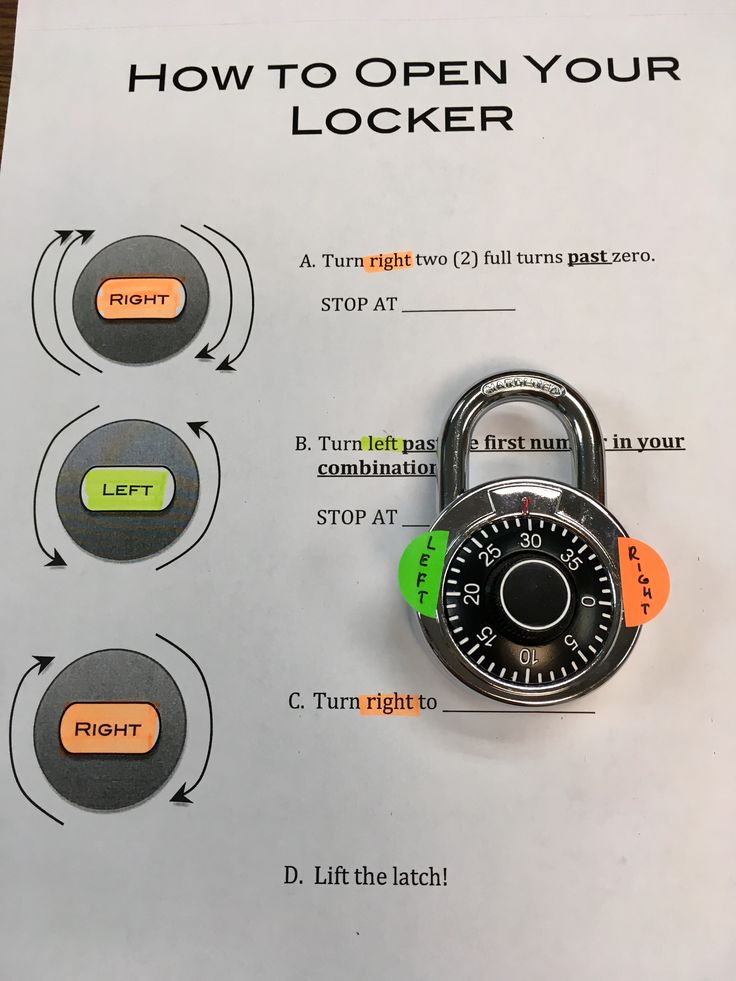
School Locker Lock Instructions: Step-by-Step Guide
Learning how to use a school locker lock correctly can save you time and stress during a busy day. These sturdy metal storage units line the hallways of most...

Elf Letters to Santa: Step-by-Step Instructions
Writing a letter to Santa Claus is a cherished tradition for many children around the world. It's an opportunity for them to express their hopes, dreams, and...

Fun Group Activity Ideas For Adults At Home To Connect And Laugh
Stuck at home with a group of adults, craving some fun and engagement? You're in luck! There's a wealth of group activity ideas that can be enjoyed from the...

April Fool's Day Examples: Hilarious Pranks & Jokes
An april fool example serves as a playful demonstration of how humor and deception collide in the digital age, setting the stage for harmless chaos in online...