Master Group Instructions ABA Efficient Team Training Guide
Group Instructions in Applied Behavior Analysis (ABA) are crucial for managing and implementing behavior modification programs effectively. They guide therapists, educators, and caregivers in delivering consistent, evidence-based interventions tailored to each individual's unique needs. Let's delve into the intricacies of group instructions in ABA, exploring their purpose, key components, and best practices.
ABA, rooted in learning theory, focuses on observable, measurable behaviors. Group instructions play a pivotal role in this process, ensuring that everyone involved understands and adheres to the intervention plan. They serve as a blueprint, facilitating smooth implementation and fosting a collaborative environment.
Understanding Group Instructions in ABA
Group instructions in ABA are not one-size-fits-all. They are tailored to the specific needs, goals, and abilities of the individual receiving services. This personalization ensures that the intervention is relevant, engaging, and most importantly, effective.


These instructions are typically developed by a Board Certified Behavior Analyst (BCBA) or a qualified supervisor. They outline the who, what, when, where, why, and how of the intervention, providing a clear roadmap for all stakeholders.
Key Components of Group Instructions
Group instructions in ABA encompass several key components, each playing a vital role in the success of the intervention.


Target Behaviors: Clearly define the behaviors to be addressed. Use specific, observable terms to avoid ambiguity. For instance, instead of 'behavior improvement,' specify 'increased frequency of independent toileting.'
Intervention Strategies: Detail the strategies to be used to address the target behaviors. This may include positive reinforcement, extinction, punishment, or other ABA techniques. Describe each strategy in detail, including how, when, and by whom it should be implemented.
Data Collection: Outline how data will be collected to track progress and evaluate the effectiveness of the intervention. This may include specific data collection tools, such as frequency counts, duration measures, or rating scales.


Procedural Fidelity: Specify the level of adherence to the intervention that is expected. This ensures that the intervention is delivered consistently and as intended. It also helps to identify any deviations from the plan and their potential impact on outcomes.
Best Practices for Group Instructions
To maximize the effectiveness of group instructions in ABA, several best practices should be followed.
Clarity and Specificity: Use clear, concise, and specific language. Avoid jargon and ensure that all instructions are easily understood by all stakeholders, including those without a background in ABA.


Collaboration: Involve all stakeholders in the development of the group instructions. This fosters a sense of ownership and commitment to the intervention plan. It also ensures that the plan is practical and feasible for all involved.
Regular Review and Update: Group instructions should not be set in stone. Regularly review and update them as needed to reflect changes in the individual's progress, environment, or goals.
Implementing Group Instructions in ABA
Implementing group instructions in ABA requires a systematic, structured approach. This ensures that the intervention is delivered consistently and effectively.
Training sessions should be conducted to ensure that all stakeholders understand their roles and responsibilities. Role-playing can be particularly useful in this regard, allowing stakeholders to practice implementing the intervention in a safe, supportive environment.
Monitoring and Troubleshooting
Regular monitoring of the intervention is crucial to ensure that it is being delivered as intended and that progress is being made towards the established goals.
If deviations from the intervention plan are identified, or if progress stalls, troubleshooting should be undertaken. This may involve adjusting the intervention, providing additional training, or addressing barriers to implementation.
Celebrating Success and Continuous Learning
Celebrating successes, no matter how small, is essential in maintaining motivation and engagement. This can be done through verbal praise, rewards, or other forms of positive reinforcement.
Continuous learning is also crucial in ABA. Regularly review data, reflect on what's working and what's not, and use this information to inform future practice. This commitment to lifelong learning ensures that the intervention remains effective and relevant.
In the ever-evolving field of ABA, group instructions serve as a beacon, guiding all stakeholders towards a common goal. By understanding and implementing these instructions effectively, we can ensure that individuals with diverse needs receive the highest quality, most effective ABA services possible. So, let's embrace this collaborative process, continually refine our practices, and strive to make a meaningful difference in the lives of those we serve.
Related Articles

Group Instructions Is A Method Of Effective Team Training And Collaboration
Group instructions, a method of communication and learning, play a pivotal role in various settings, from classrooms to corporate training. This approach...

Easy Origami Bookmark Instructions Printable Step by Step Guide
Origami, the ancient Japanese art of paper folding, has captivated people of all ages for centuries. One of the most practical and delightful ways to...

Master How To Fold Roll Towels Like A Pro Quick Guide
Mastering the art of how to fold roll towels transforms a simple bathroom essential into a space saving and hygienic habit. The rolled towel design stands...

Master White Cement Texture Art: Easy DIY Guide
White cement texture art is a rewarding way to turn a simple bag of concrete into striking decorative pieces for your home or garden. Unlike colored cement...

Master ADB List Disabled Packages: Ultimate Guide
When managing Android devices, especially for troubleshooting or deep system analysis, encountering disabled packages is a common scenario. The command adb...
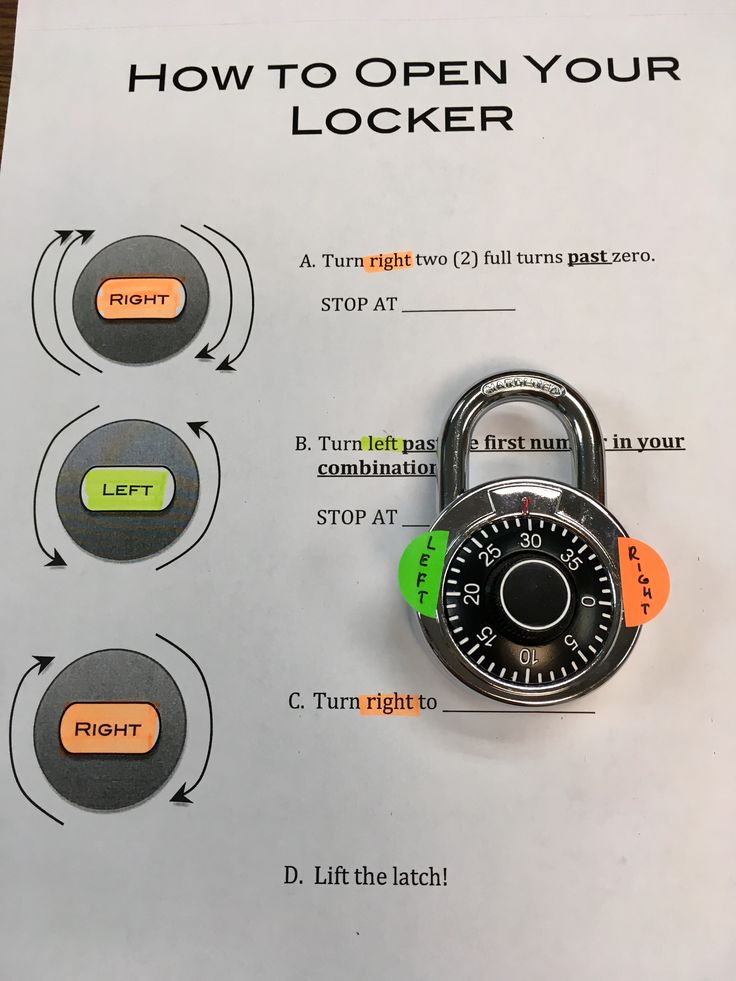
School Locker Lock Instructions: Step-by-Step Guide
Learning how to use a school locker lock correctly can save you time and stress during a busy day. These sturdy metal storage units line the hallways of most...