Effortless Group Instructions Audit Mastery SEO Guide
In the dynamic landscape of modern business, ensuring consistency and efficiency in processes is paramount. One critical aspect often overlooked is the effectiveness of group instructions. A group instructions audit, therefore, becomes a vital tool to enhance productivity, reduce errors, and foster a culture of continuous improvement. Let's delve into the intricacies of this process.
Group instructions, or standard operating procedures (SOPs), are the backbone of any organization. They guide employees, ensuring everyone is on the same page and working towards the same goals. However, over time, these instructions can become outdated, misunderstood, or misapplied. This is where a group instructions audit comes into play.
Understanding the Need for a Group Instructions Audit
Auditing group instructions is not just about checking boxes or meeting compliance standards. It's about ensuring that your organization is running at peak efficiency. It's about ensuring that your employees have the tools they need to succeed. It's about ensuring that your organization is future-proofed, ready to adapt to changes and grow.


In essence, a group instructions audit is a comprehensive review of your organization's SOPs. It's an opportunity to identify gaps, streamline processes, and ensure that your instructions are up-to-date, accurate, and accessible.
Identifying Outdated Instructions
One of the primary goals of a group instructions audit is to identify outdated or obsolete instructions. These could be processes that are no longer relevant, steps that have been superseded by newer technologies, or regulations that have changed. By identifying and updating these instructions, you can prevent employees from following inefficient or incorrect procedures.


Regularly reviewing and updating instructions also sends a strong message to your employees that the organization is committed to continuous improvement. It shows that you value their time and effort, and that you're invested in helping them do their jobs more effectively.
Assessing Instruction Clarity and Accessibility
Another key aspect of a group instructions audit is assessing the clarity and accessibility of your instructions. Are they written in a way that's easy to understand? Are they accessible to all employees, including those with disabilities? Are they stored in a way that's easy to find and navigate?
Clear, accessible instructions are crucial for ensuring that all employees understand their roles and responsibilities. They can help reduce errors, improve productivity, and foster a culture of accountability. Moreover, they can also help with onboarding new employees, ensuring they have the information they need to hit the ground running.


Conducting a Group Instructions Audit
Conducting a group instructions audit involves several steps. It's a process that requires careful planning, thorough execution, and ongoing maintenance. Here are some key steps to consider:
1. **Preparation**: Before you start, it's important to understand the scope of the audit. What areas will you be auditing? Who will be involved in the process? What resources will you need?
2. **Review**: The next step is to review your existing instructions. This could involve a thorough read-through, a comparison with current processes, or a review of employee feedback.


3. **Identify Gaps**: Based on your review, identify any gaps in your instructions. This could include outdated information, unclear instructions, or missing steps.
4. **Update and Improve**: Once you've identified the gaps, it's time to update and improve your instructions. This could involve rewriting sections, adding new steps, or completely overhauling a process.
5. **Training**: After updating your instructions, it's crucial to provide training to your employees. This ensures that everyone understands the changes and knows how to follow the new procedures.
6. **Monitor and Maintain**: A group instructions audit is not a one-time event. It's an ongoing process. Regularly review and update your instructions to ensure they remain relevant and effective.
Common Mistakes to Avoid
While conducting a group instructions audit, there are several common mistakes you should avoid. These include:
- **Not involving employees**: A group instructions audit should not be a top-down process. Involving employees at all levels can provide valuable insights and ensure buy-in.
- **Not considering the audience**: Different employees have different needs and levels of understanding. Ensure your instructions are tailored to your audience.
- **Not keeping it up-to-date**: Instructions that are not regularly reviewed and updated can quickly become outdated and ineffective.
In the ever-evolving business landscape, a group instructions audit is not a luxury, but a necessity. It's a powerful tool for ensuring consistency, improving efficiency, and fostering a culture of continuous improvement. So, don't wait. Start your group instructions audit today and unlock the full potential of your organization.
Related Articles

how to say lunch box in japanese ベンとおべんとう effortless guide
Learning how to say lunch box in Japanese opens a window into daily life, from school cafeterias to corporate culture. The language offers several specific...

Easy Origami Bookmark Instructions Printable Step by Step Guide
Origami, the ancient Japanese art of paper folding, has captivated people of all ages for centuries. One of the most practical and delightful ways to...
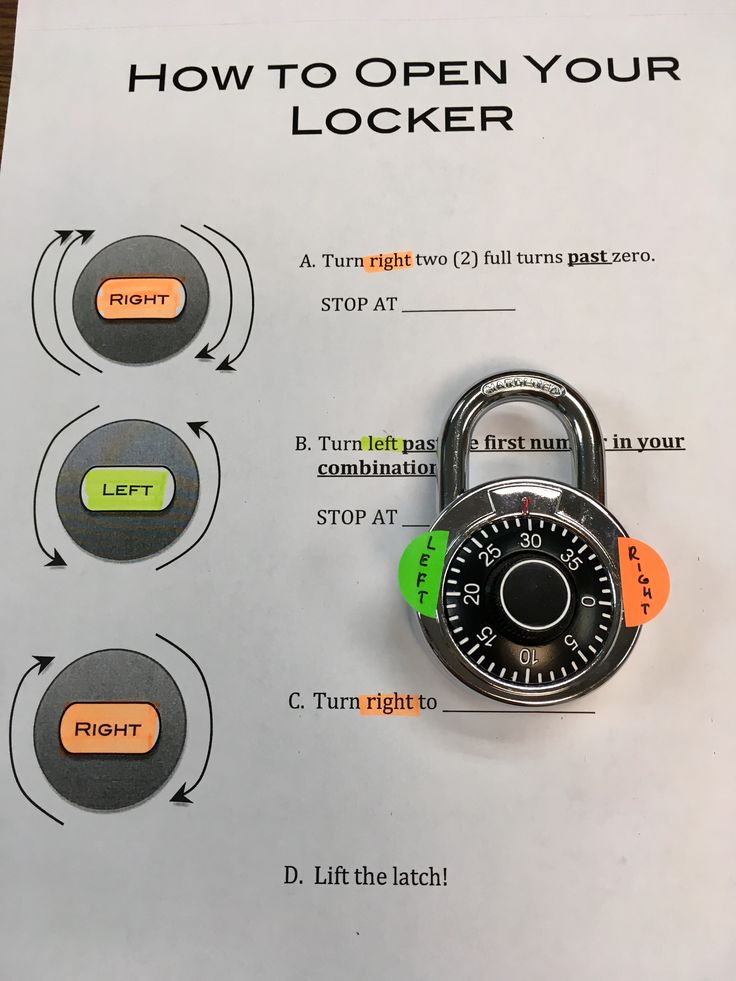
School Locker Lock Instructions: Step-by-Step Guide
Learning how to use a school locker lock correctly can save you time and stress during a busy day. These sturdy metal storage units line the hallways of most...

Effortless Remove Watermark from Shutterstock Images Fast Guide
Are you tired of seeing watermarks on Shutterstock images, hindering your design projects? Removing them can be a breeze with the right tools and techniques...

Seth Thomas Westminster Chime Clock Instructions A Complete Step by Step Guide
Discovering the charm of a Seth Thomas Westminster Chime clock can be an enriching experience, but like any intricate timepiece, it requires proper setup and...

Ultimate Guide to Outside Dividers Tool Mastery and Selection
In the realm of web design and development, tools that streamline workflow and enhance productivity are invaluable. One such tool, the "Outside Dividers Tool,"...