Herringbone Bathroom Floor Ideas: 23 Stylish Designs for 2024
Herringbone bathroom floor ideas have been gaining traction in recent years, adding a touch of elegance and sophistication to modern bathrooms. This classic pattern, characterized by its V-shaped layout, creates a striking visual effect that can instantly transform your bathroom space. Let's delve into some inspiring herringbone bathroom floor ideas that blend style and functionality.
Before we dive into the specifics, let's first understand why herringbone floors are such a popular choice. The herringbone pattern is not only visually appealing but also creates a sense of depth and movement in a room. It can make small bathrooms appear larger and add warmth to spacious ones. Moreover, herringbone floors are durable and easy to maintain, making them an excellent choice for high-traffic areas like bathrooms.
Choosing the Right Material
One of the first decisions you'll need to make when planning a herringbone bathroom floor is the material. Each material has its unique characteristics, so it's essential to choose one that suits your bathroom's style and your needs.


Ceramic and porcelain tiles are popular choices for bathroom floors due to their durability, water resistance, and ease of maintenance. They come in a wide range of colors, textures, and sizes, making it easy to find the perfect fit for your herringbone pattern. Additionally, large format tiles can create a seamless, luxurious look when laid in a herringbone pattern.
Wood-Look Tiles
For those who love the warmth and texture of wood but need the durability and water resistance of tile, wood-look tiles are an excellent alternative. These tiles are designed to mimic the appearance of natural wood, complete with grain details and color variations. When laid in a herringbone pattern, they can create a stunning, high-end look that's perfect for contemporary or rustic-style bathrooms.


To achieve a truly authentic look, consider using tiles with a textured surface and a large format size. This will help to capture the natural beauty of wood while providing the practical benefits of tile. Additionally, opting for tiles with a rectified edge can help to create a seamless, uniform look that enhances the herringbone pattern.
Natural Stone Tiles
For a more luxurious and unique look, consider using natural stone tiles for your herringbone bathroom floor. Materials like travertine, marble, and slate can add a touch of elegance and sophistication to your bathroom space. Each type of stone has its unique characteristics, from the subtle veining of marble to the rustic charm of slate.
When choosing natural stone tiles, it's essential to consider their durability and maintenance requirements. Some stones, like marble, are more porous and require regular sealing to protect against stains and moisture. Others, like travertine, may have a more textured surface that can be more prone to dirt and debris. However, with proper care and maintenance, natural stone tiles can add a timeless, luxurious touch to your herringbone bathroom floor.


Designing the Herringbone Pattern
Once you've chosen the perfect material for your herringbone bathroom floor, it's time to consider the design. The herringbone pattern can be laid in various ways, each creating a unique look and feel.
Traditional herringbone patterns feature a 45-degree angle, creating a classic, symmetrical look. This angle works well with both square and rectangular rooms, adding a sense of balance and harmony. However, if you're looking to create a more dynamic and contemporary look, consider laying the tiles at a 90-degree angle or even a 60-degree angle for a more geometric, modern feel.
Staggered Herringbone Pattern
For a more dynamic and interesting look, consider using a staggered herringbone pattern. This layout involves offsetting each row of tiles by half a tile's width, creating a more irregular, asymmetrical pattern. The staggered herringbone pattern can add a touch of visual interest to your bathroom floor, making it a great choice for contemporary or eclectic-style spaces.
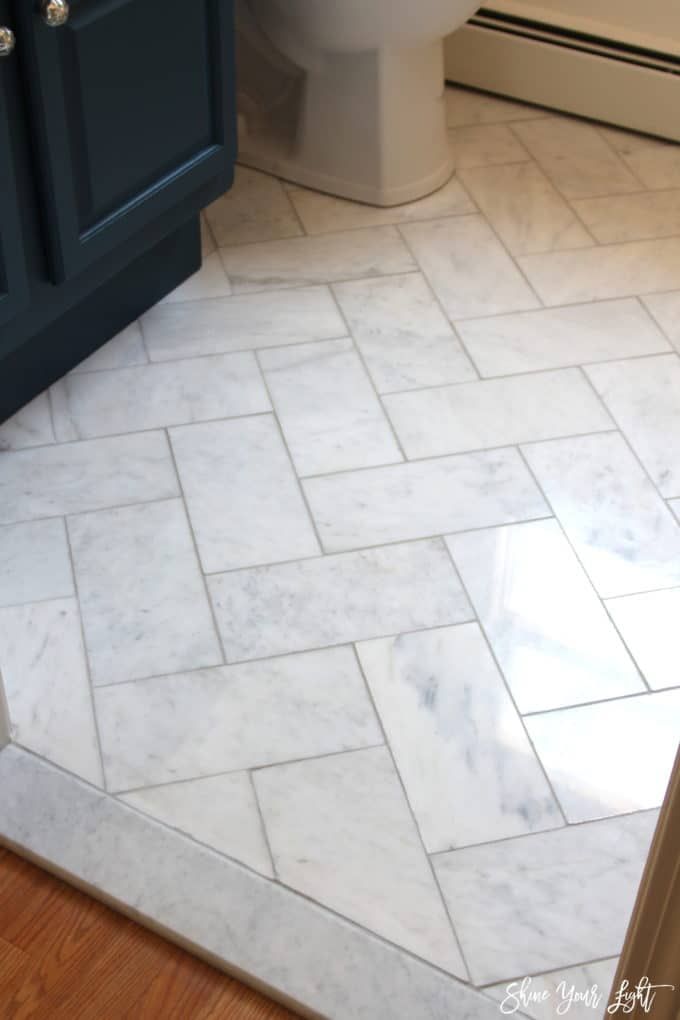


To create a staggered herringbone pattern, you'll need to carefully plan your tile layout before installation. Start by laying out the first row of tiles in a straight line, then offset each subsequent row by half a tile's width. This will create the staggered effect, adding depth and dimension to your bathroom floor.
Brick-Lay Herringbone Pattern
For a more traditional and classic look, consider using a brick-lay herringbone pattern. This layout involves laying the tiles in a horizontal row, then turning each tile 90 degrees to create the herringbone pattern. The brick-lay herringbone pattern can add a touch of warmth and charm to your bathroom, making it a great choice for cottage-style or rustic spaces.
To create a brick-lay herringbone pattern, start by laying out the first row of tiles in a straight line. Then, turn each tile 90 degrees to create the herringbone pattern. This layout can be more challenging to install than a traditional herringbone pattern, so it's essential to plan your tile layout carefully before installation.
Incorporating a herringbone bathroom floor into your design can add a touch of elegance and sophistication to your space. Whether you opt for classic ceramic tiles or luxurious natural stone, the herringbone pattern can create a striking visual effect that transforms your bathroom. So go ahead, embrace the timeless charm of the herringbone pattern, and create a bathroom that's both stylish and functional.
Related Articles

Unique Bathroom Floor Tile Ideas Stunning Designs For 2024
Transforming your bathroom into a unique and inviting space starts with the right floor tile. With a myriad of shapes, colors, and materials available, you can...
Small Bathroom Shower Floor Tile Ideas 10 Modern Designs For 2024
Designing a compact shower area requires careful attention to the floor, as the right tile choice can make a small bathroom feel open, stylish, and easy to...
Stunning Herringbone Bathroom Tile Ideas Designs Trends
Herringbone bathroom floor tile ideas offer a timeless pattern that instantly elevates the look and feel of any wet area, combining classic charm with modern...

Delicious Birthday Cake Ideas For Adults 2024 Stylish Designs
Turning birthday cake ideas for adults into a true reflection of your personality is one of the most rewarding ways to celebrate another year of life. While...

Modern Tile Ideas For Bathroom Stunning Designs Trending 2024
Modern tile ideas for bathroom design have evolved far beyond simple function, turning practical surfaces into bold expressions of personal style. Today’s...

Coastal Bathroom Ideas with Shower: Serene Designs and Stylish Inspiration
Coastal bathroom ideas with shower designs capture the serene energy of the sea, bringing a sense of calm and vacation luxury into your daily routine. This...