50 Trendy Herringbone Floor Tile Ideas For Stunning Home Decor
Herringbone floor tile patterns have long been a staple in interior design, adding a touch of classic elegance and sophistication to any space. This timeless design, characterized by its V-shaped layout, can transform your floors into a stunning feature that enhances the overall aesthetic of your home. Let's delve into the world of herringbone floor tile ideas, exploring the different styles, materials, and installation techniques that can help you create a unique and captivating look.
Herringbone patterns are versatile and can be adapted to suit various design styles, from traditional and rustic to modern and contemporary. They can be created using different materials, such as ceramic, porcelain, natural stone, or even hardwood. Each material offers unique benefits and aesthetics, allowing you to tailor the look to your specific needs and preferences.
Herringbone Floor Tile Materials
When choosing herringbone floor tiles, it's essential to consider the material's durability, maintenance, and aesthetic appeal. Here are two popular options:


Ceramic and Porcelain Tiles
Ceramic and porcelain tiles are popular choices for herringbone patterns due to their durability, low maintenance, and wide range of styles and colors. They are made from natural clays and minerals, fired at high temperatures to create a dense, non-porous surface that resists scratches, stains, and moisture. Ceramic tiles typically have a more textured, rustic appearance, while porcelain tiles offer a smoother, more uniform look.
Both ceramic and porcelain tiles are available in various sizes, allowing you to create different scale herringbone patterns. They are also suitable for both residential and commercial settings, making them an excellent choice for high-traffic areas like entryways, kitchens, and bathrooms.


Natural Stone Tiles
Natural stone tiles, such as marble, travertine, or slate, offer a luxurious and unique look for herringbone floor patterns. Each tile is one-of-a-kind, with its own veining, coloration, and texture, creating a beautiful, natural aesthetic. Natural stone tiles are typically more expensive than ceramic or porcelain options and require more maintenance, but they can add an air of sophistication and elegance to any space.
When using natural stone tiles for herringbone patterns, it's essential to consider the tile size and shape. Smaller tiles or mosaics can create a more intricate, detailed look, while larger tiles can create a more expansive, modern feel.
Herringbone Installation Techniques
The installation technique you choose can significantly impact the overall appearance of your herringbone floor. Here are two popular installation methods:


45-Degree Herringbone
The 45-degree herringbone pattern is the most traditional and widely recognized installation method. In this layout, tiles are arranged in a V-shape, with each tile laid at a 45-degree angle to the adjacent tile. This creates a symmetrical, balanced look that works well in both traditional and contemporary settings. The 45-degree herringbone pattern is typically installed using square or rectangular tiles, with the tiles laid in a brick-like pattern.
To create a more modern, geometric look, you can use larger format tiles or mix different tile sizes and colors to create a unique, custom pattern.
90-Degree Herringbone
The 90-degree herringbone pattern is a more contemporary take on the classic design. In this layout, tiles are arranged in a V-shape, but each tile is laid at a 90-degree angle to the adjacent tile. This creates a more linear, modern look that works well in open-plan living spaces or long, narrow rooms. The 90-degree herringbone pattern can be installed using square or rectangular tiles, but it also lends itself well to the use of narrow, plank-like tiles.
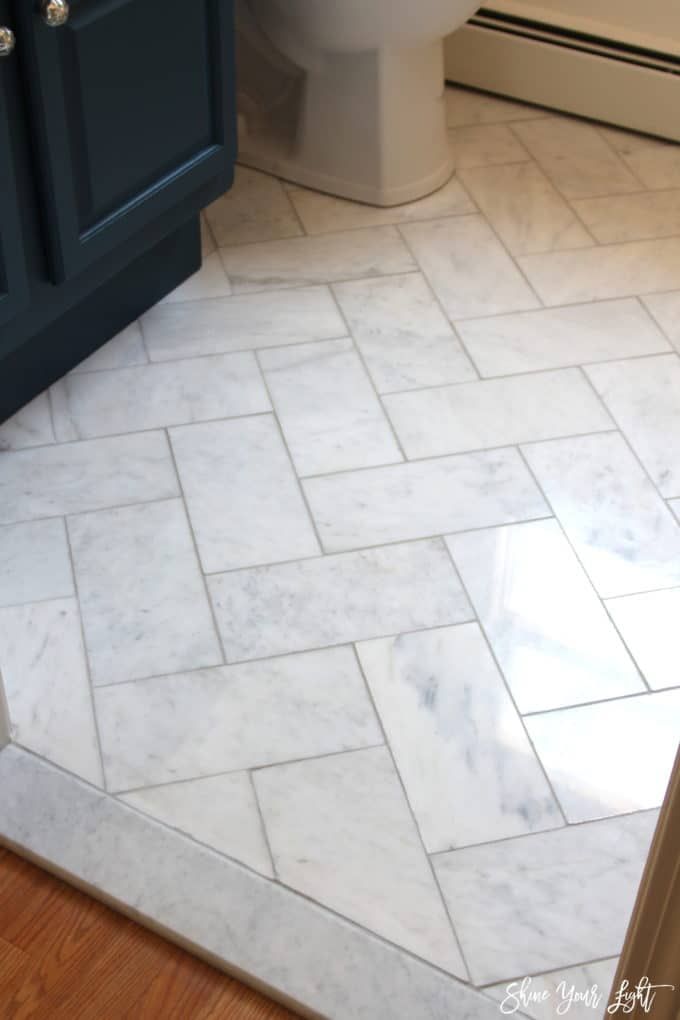


For a truly unique look, you can mix different tile sizes, colors, or materials to create a custom, one-of-a-kind herringbone pattern.
When installing herringbone floor tiles, it's essential to work with a professional who has experience with this specific layout. The installation process requires careful planning and precise cutting to ensure that the pattern is symmetrical and visually appealing. Additionally, it's important to consider the room's dimensions and layout when planning your herringbone pattern, as the design can affect the perceived size and shape of the space.
Incorporating herringbone floor tile patterns into your home can add a touch of timeless elegance and sophistication to any space. By exploring the different materials, installation techniques, and design options available, you can create a unique and captivating look that reflects your personal style and enhances the overall aesthetic of your home. So go ahead, embrace the herringbone, and let your floors become a stunning feature that welcomes you and your guests with warmth and charm.
Related Articles

Stunning House Tile Floor Designs Ideas for Modern Home Decor
House tile floor designs are transforming the way we experience everyday living spaces, turning ordinary rooms into curated works of art. From the grand foyer...

White Tile Flooring Decor Ideas Stunning Designs For Your Home
White tile flooring has long been a popular choice for homeowners seeking a clean, modern, and timeless look. Its versatility, durability, and ease of...

Stunning Herringbone Bathroom Tile Ideas Designs Trends
Herringbone bathroom floor tile ideas offer a timeless pattern that instantly elevates the look and feel of any wet area, combining classic charm with modern...

Stunning Fun Kitchen Tile Floor Design Ideas Trends
Transform your kitchen into a vibrant, inviting space with fun kitchen tile floor ideas that blend style, functionality, and personality. From bold patterns to...

Stunning Olive Tree Painting Ideas For Your Home Decor
Discovering olive tree painting ideas opens a doorway to calm, sunlit landscapes and timeless visual stories. These evergreen icons have inspired artists for...

Stunning Cool Entryway Wall Art Ideas For Your Home Decor
Transform your home's first impression with captivating cool entryway wall art. A well-curated piece can instantly set the tone for your entire space, creating...