Stunning Herringbone Tile Flooring Ideas for Modern Homes
Herringbone tile flooring, with its distinctive V-shaped pattern, has long been a favorite among homeowners and designers alike. This timeless design adds a touch of elegance and sophistication to any space, making it a popular choice for both residential and commercial projects. If you're considering herringbone tile flooring for your next renovation or new build, you're in the right place. Let's delve into the world of herringbone tiles, exploring its history, types, installation ideas, and maintenance tips.
Before we dive into the specifics, let's briefly explore the origins of herringbone patterns. The herringbone design is believed to have originated in ancient Rome, where it was used in the construction of roads and buildings. The interlocking 'V' shape was thought to strengthen structures by distributing weight evenly. Fast forward to the present day, and this classic pattern has found its way into our homes, adding a stylish and durable flooring option.
Understanding Herringbone Tile Flooring
Herringbone tile flooring is characterized by its fishbone-like pattern, created by laying rectangular tiles at a 45 or 90-degree angle to each other. The result is a striking, geometric design that adds visual interest and depth to any space.


Herringbone patterns can be created using a variety of tile materials, including ceramic, porcelain, natural stone, and even wood-look tiles. Each material offers its unique benefits in terms of durability, maintenance, and aesthetics. For instance, porcelain tiles are highly durable and low maintenance, making them an excellent choice for high-traffic areas. Meanwhile, natural stone tiles like travertine or marble offer a luxurious, high-end look but require more care and maintenance.
Herringbone Tile Patterns: 45 vs 90 Degrees
One of the first decisions you'll need to make when choosing herringbone tile flooring is the pattern direction. Herringbone patterns can be laid at a 45-degree or 90-degree angle.
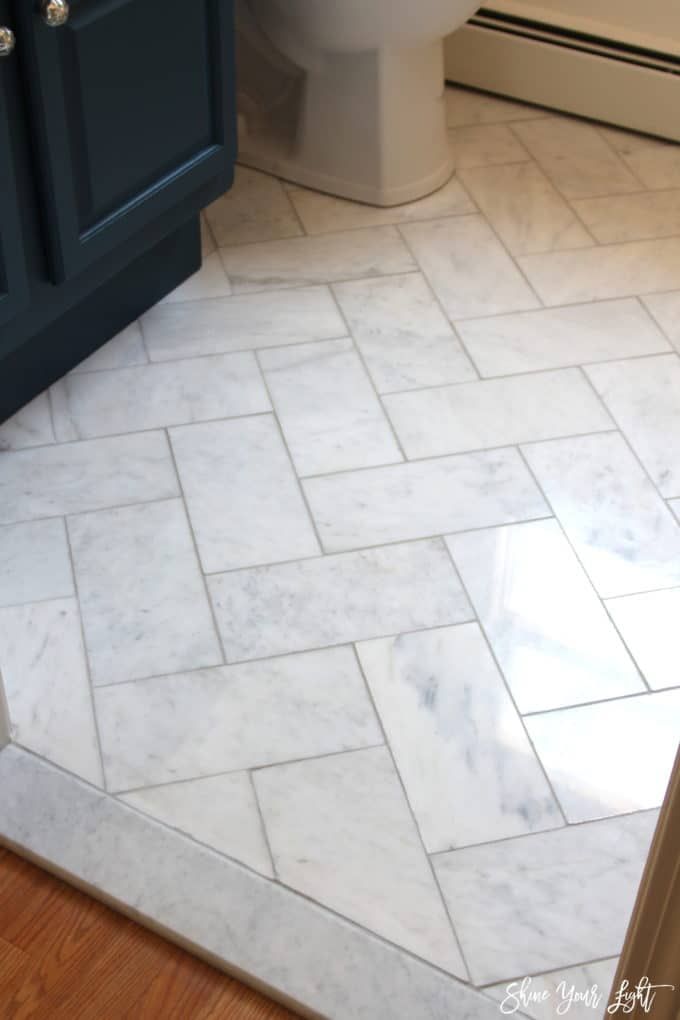


45-degree herringbone patterns create a more dynamic, diagonal look, drawing the eye across the room and making spaces feel larger. This direction is particularly effective in long, narrow rooms like hallways or kitchens. On the other hand, 90-degree herringbone patterns create a more formal, traditional look, with a strong, horizontal or vertical orientation. This direction works well in larger rooms like living rooms or dining rooms, where you want to emphasize the room's width or height.
Herringbone Tile Sizes: Small, Medium, or Large?
The size of your herringbone tiles can significantly impact the overall look and feel of your space. Smaller tiles create a more intricate, detailed pattern, while larger tiles create a more bold, dramatic look.
Smaller tiles, typically around 2x8 or 3x12 inches, are ideal for creating a classic herringbone pattern and work well in smaller spaces. Larger tiles, such as 6x24 or 8x24 inches, create a more modern, streamlined look and are perfect for larger rooms with high ceilings. Medium-sized tiles, around 4x16 inches, offer a happy medium, creating a balanced, versatile pattern that works well in most spaces.


Herringbone Tile Flooring Ideas
Now that we've covered the basics of herringbone tile flooring, let's explore some inspiring ideas to help you incorporate this timeless pattern into your home.
One of the most striking ways to use herringbone tile flooring is to create a bold, geometric statement. Consider using a contrasting grout color to enhance the pattern and add visual interest. Alternatively, opt for a monochromatic look with a subtle texture or pattern in the tiles to create a more understated, sophisticated feel.
Herringbone Tiles in the Kitchen
The kitchen is a popular place for herringbone tile flooring. The 45-degree pattern can help to visually expand smaller kitchens, while the 90-degree pattern can emphasize the width of larger spaces. Consider using the same tile on the floor and backsplash for a cohesive, seamless look.


For a modern, industrial look, pair herringbone tile flooring with dark cabinets and stainless steel appliances. Alternatively, for a more traditional look, combine herringbone tiles with classic white cabinets and natural wood features. The versatility of herringbone patterns makes them an excellent choice for a wide range of kitchen styles.
Herringbone Tiles in the Bathroom
The bathroom is another ideal space for herringbone tile flooring. The pattern can add a touch of luxury to a small powder room or create a striking feature in a larger master bathroom.
For a cohesive look, carry the herringbone pattern from the floor up the walls and even onto the shower floor. This creates a stunning, high-end look that's perfect for a luxurious master bathroom. Alternatively, use herringbone tiles as an accent feature, perhaps on the shower floor or behind the vanity, to add a touch of interest without overwhelming the space.
Herringbone Tiles in the Living Room
The living room is a great place to make a statement with herringbone tile flooring. The 90-degree pattern can emphasize the room's width, while the 45-degree pattern can draw the eye towards a focal point, such as a fireplace or a piece of art.
For a bold look, consider using a large format tile in a dark color. Alternatively, opt for a more subtle, textured tile in a neutral color for a sophisticated, understated look. Whatever your style, herringbone tile flooring can add a touch of elegance and sophistication to your living room.
Caring for Your Herringbone Tile Flooring
With proper care and maintenance, herringbone tile flooring can last for decades, adding value and style to your home. Here are some tips for keeping your herringbone tiles looking their best:
Regular cleaning is key to maintaining the appearance of your herringbone tile flooring. Sweep or vacuum the floor regularly to remove dirt and debris, and mop with a mild cleaner designed for your tile type. Be sure to rinse thoroughly to remove any residue, which can dull the finish over time.
To protect your herringbone tile flooring from scratches and stains, use area rugs in high-traffic areas. Place mats at entryways to catch dirt and debris before it reaches your floor. Additionally, use furniture protectors to prevent scratches and damage.
Finally, address any spills or stains promptly to prevent them from setting into the grout or tile. For tough stains, you may need to use a specialized cleaner or consult a professional cleaning service.
In conclusion, herringbone tile flooring offers a timeless, elegant solution for adding style and durability to your home. Whether you choose a classic or modern look, herringbone tiles can transform your space into a sophisticated, inviting retreat. So why wait? Start exploring the world of herringbone tile flooring today and let your creativity guide you towards the perfect design for your home.
Related Articles

Bathroom Mid Century Modern Tile Flooring Ideas Stunning Designs
Bathroom mid century modern tile flooring brings a timeless sense of calm and order into one of the most used rooms in the home. This design approach draws...

Stunning Gray Tile Flooring Ideas For Modern Home Décor
Gray tile flooring offers a timeless blend of sophistication and versatility that can transform the look of any interior space. Its neutral tone serves as a...

Stunning Floor Tile Design Ideas for Modern Homes 2024
Transforming your living space into a haven of style and functionality often begins with the floor. Floor tile design ideas can set the tone for your entire...

Stunning Herringbone Tile Ideas for Modern Kitchens and Bathrooms
Herringbone tile patterns bring a sense of timeless sophistication and quiet drama to any surface they grace. This classic layout, named for its resemblance to...

20+ Stunning Kitchen Lighting Ceiling Ideas for Modern Homes
When it comes to transforming your kitchen into a functional and inviting space, the right lighting can make all the difference. The ceiling, often overlooked...

Modern Tile Ideas For Bathroom Stunning Designs Trending 2024
Modern tile ideas for bathroom design have evolved far beyond simple function, turning practical surfaces into bold expressions of personal style. Today’s...